Wellness Wednesday: Lists, graphics and graphs, oh my !

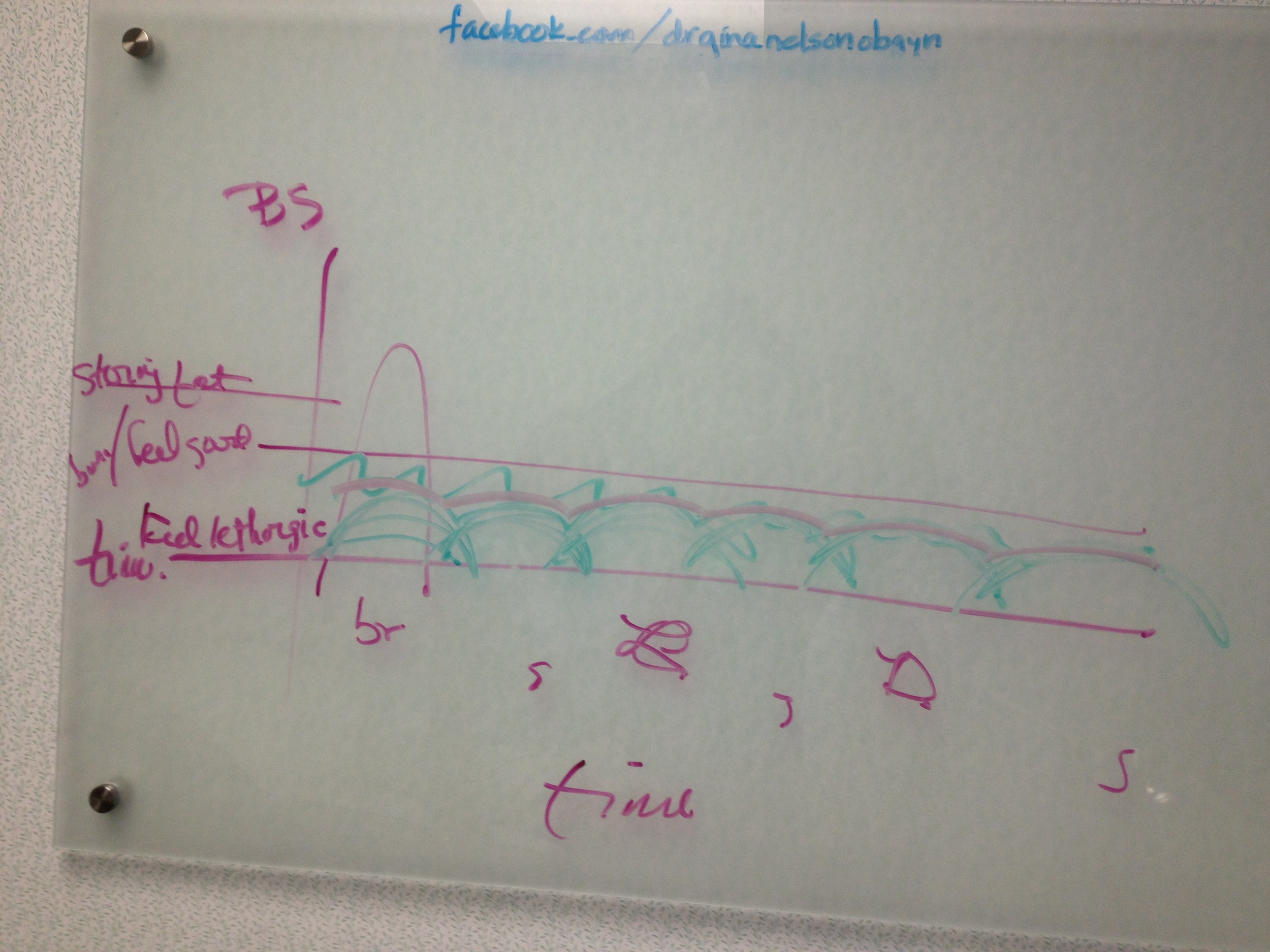
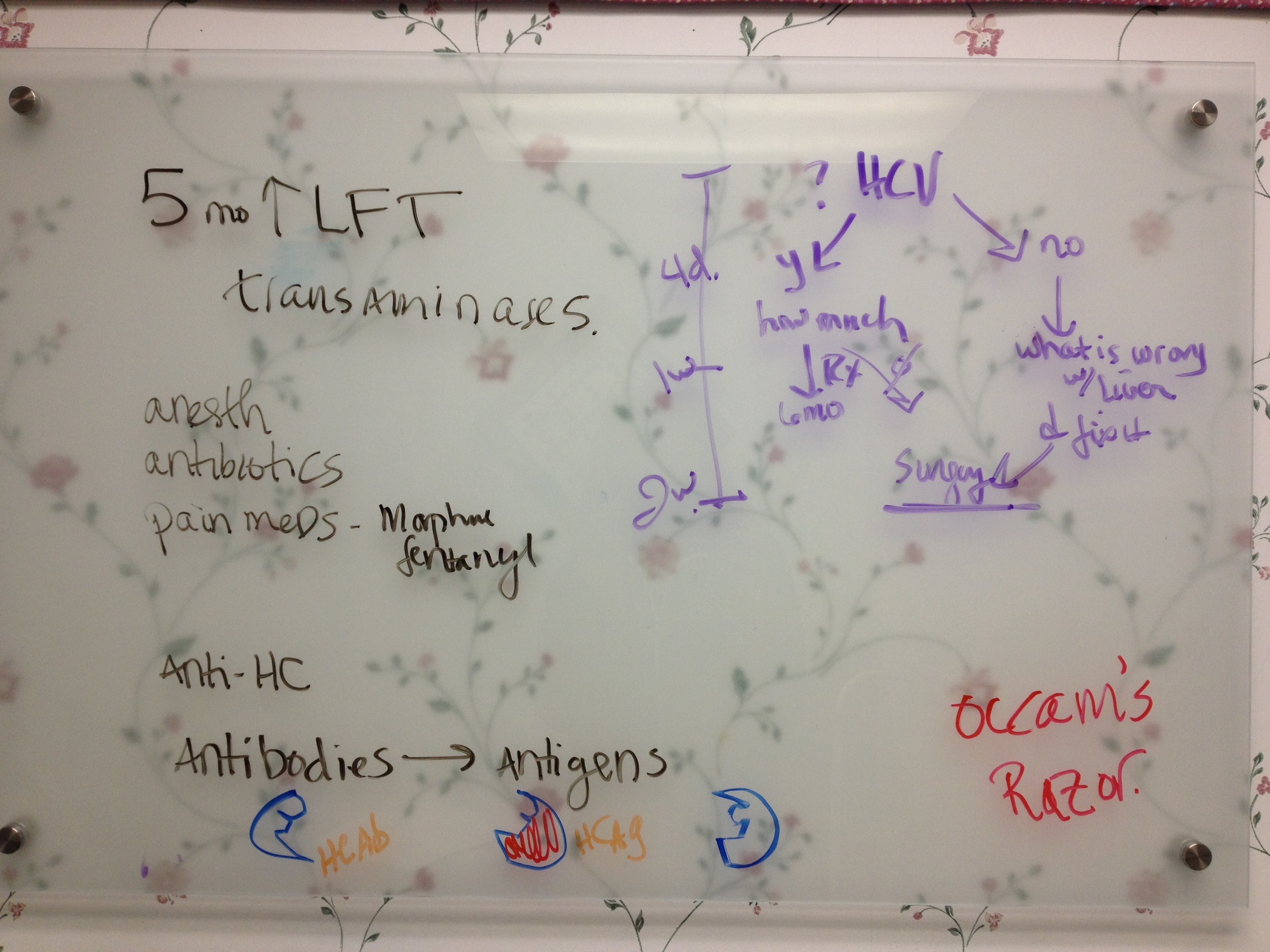
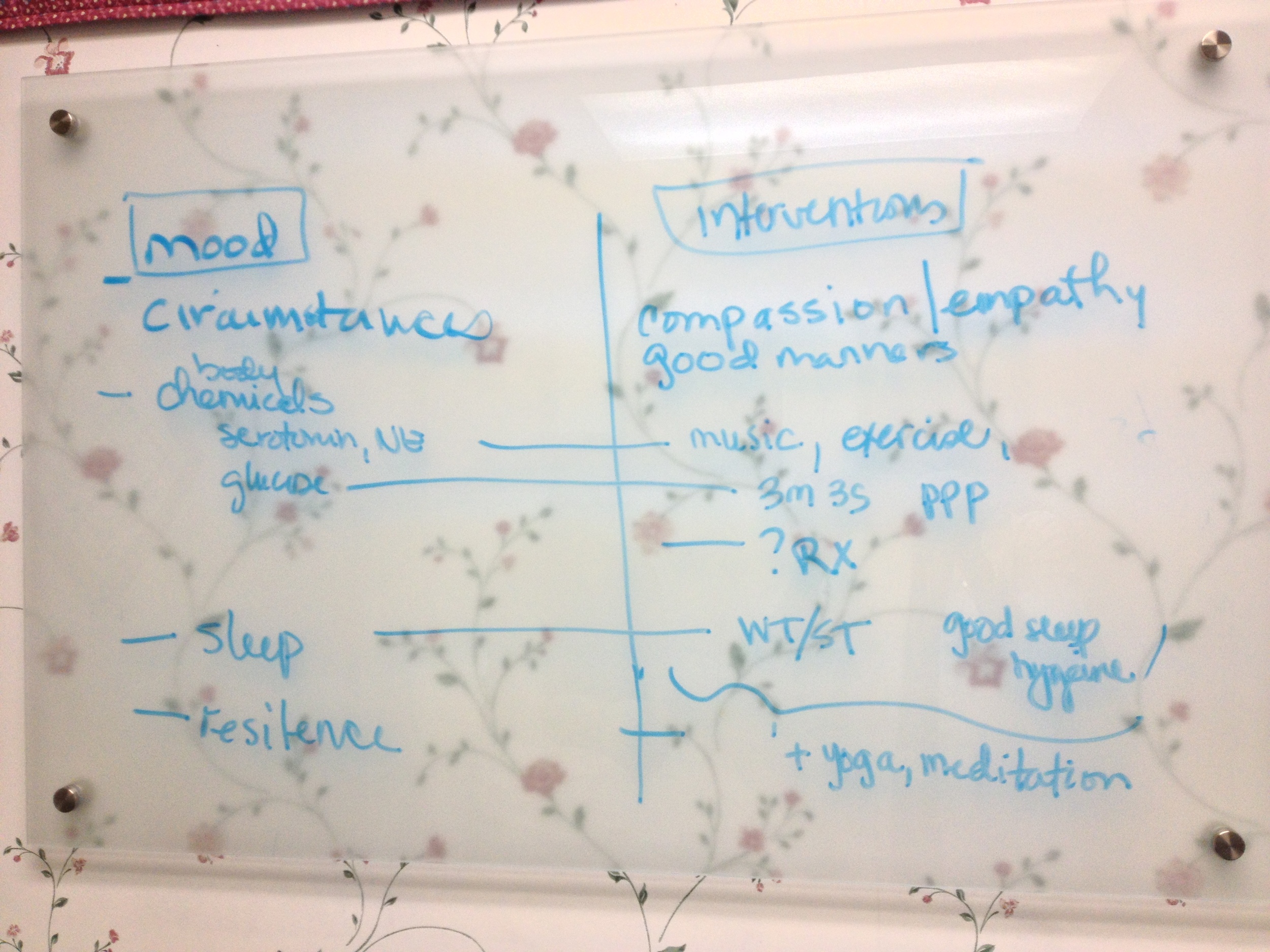
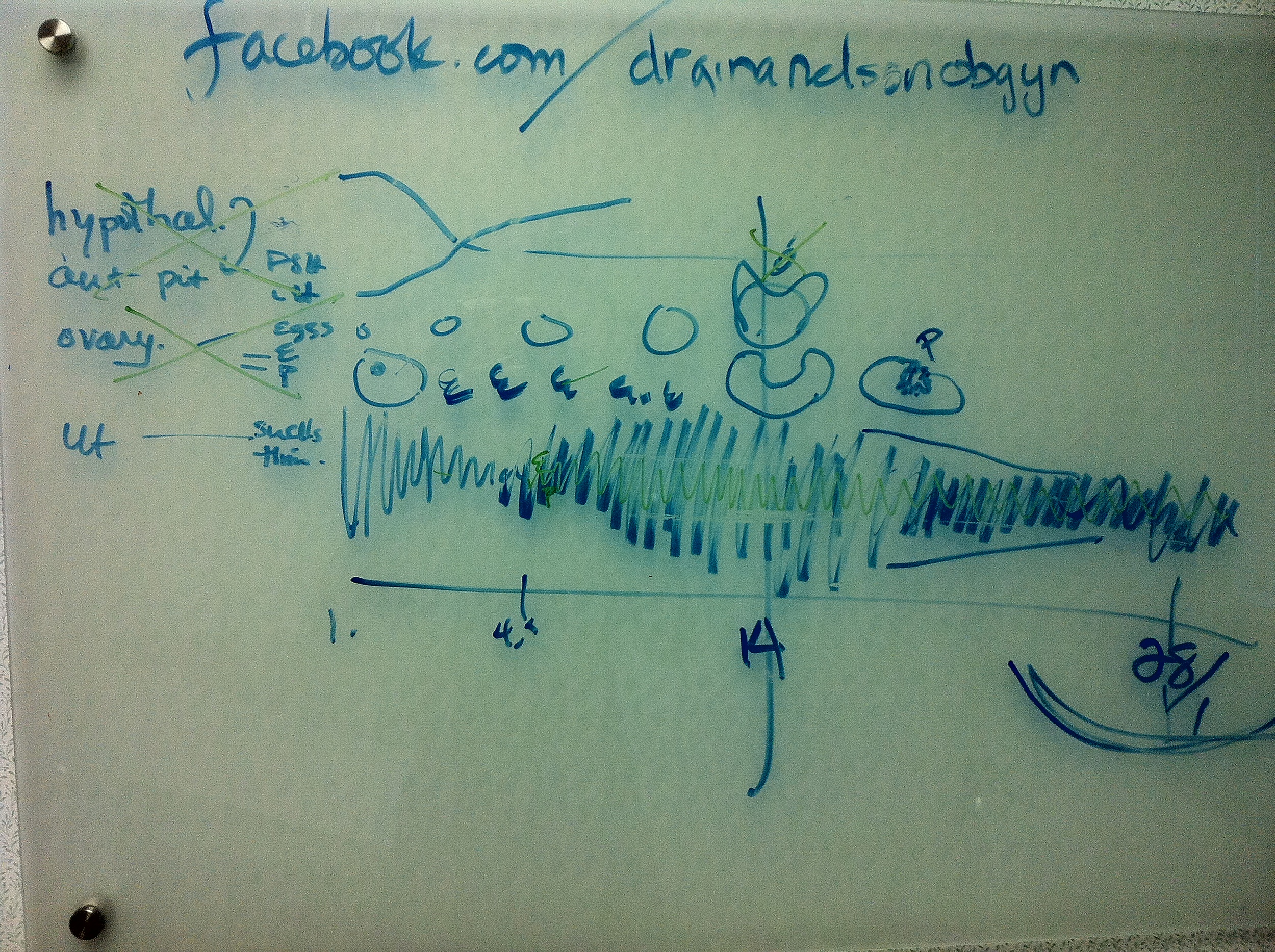
My site was written first and foremost for my patients. In clinic, I have glass marker boards on the walls, and I commonly draw or write on them to summarize a topic or clarify material. The site will eventually be a repository of all the good graphs, drawings and reminders which people have found useful. And to the right, are a few of my chicken scratchings to amuse you. These will eventually get clarified,  " graphicized " and put on the site. 

I am also busy making a little digital cookbook for my son Vale. He is working on a degree in Product Design engineering at MSU and is living off campus. He has an interest in cooking and healthy eating, but lacks the family collections of recipes. so I am in the process of digitalizing all that. And, me being who I am, I took the liberty to enclose a few chapters on nutrition : ) in his cookbook. I will share a couple pages of these with you even though the whole section is not close to being done. Here are the links : 

Protein                    

Carbohydrates

MORE TO COME ! 

P.S. I also included a useful little pdf handout on the gram content of protein in common foods. You'll have to click around to find it ! 

Dr. Gina


Medical Monday: Increasing concern over narcotic pain medications

The Flathead Valley has a problem with narcotics. I am told this is not unique to our Valley. I never thought I would have this much first hand experience with narcotics, even heroin. 

Problems with narcotics affect our women of childbearing age. Narcotic use in pregnancy is associated with low birth weight, preterm labor, SIDS and several major birth defects, as well as a lengthy neonatal withdrawal. 

Narcotics are a class of drug which acts in our body though our body's own neurotransmitter and receptor system. We have many neurotransmitters, tiny molecular messengers that allow us to feel sensations and even emotions. Neurotransmitters like dopamine bind, lock and key style, to specific receptors in nerve cells and set off a reaction which make perception possible. 

Narcotics also fit these nerve cell receptors. While bound at the receptor, narcotics can block pain and simulate pleasure. That is why they work, and that is why they are abused. 

If only that were the whole story. You see, when a narcotic binds at the receptor, it stimulates an electrical potential, or pulse, down to the end of the nerve cell, and there another neurotransmitter is secreted, further conveying the signal. If there is constantly narcotic at the receptor, the molecules at the other end get depleted and the system no longer works. 

The patient initially experiences relief with use of the narcotic. If too much is used for too long, it begins to no longer work. Worse still, more drug barely produces the feeling of being at baseline. No drug comes to feel worse than bad; hideous, in fact.  More and more needs to be used to even feel baseline. This is the basis of addiction. 

Patients, caregivers, and bad luck are responsible when things get out of hand. It is always easier to give or take a pill than to treat, cure, or work on things. Physical methods like exercises and therapy take time and are not always perfect. Surgery is expensive, and not always the answer to pain. Other nonnarcotic medications may be partial solutions. 

Life can be hard and confusing. Well meaning people can slip unknowingly from using pain meds to treat real pain, to using them to treat other things like withdrawal, anxiety, or their ability to deal with life. Those of us who care about these people need to start from a place of knowledge and compassion. No one really signs up to be miserable. 


Structure Sunday: The Sit Down Family Dinner

I've been blogging a lot about food lately even if it isn't food Friday. I've explained that food can help you get healthy and that food can help you socialize. Well guess what ?  Food can even help you get organized. Food can help you structure your time and even your mind. 

I once read an interesting fact about the Rhodes Scholars. These are people who in their graduate education have received the highest of academic honors, complete with scholarship money. Needless to say these are some smart, productive and organized people. At one point, someone tried to evaluate a number of Rhodes scholars to try to determine if there were any common factors in their backgrounds. The only thing that they could come up with was this: they all grew up with the tradition of sitting down together as a family for dinner.

How could family dinner time possibly have anything to do with growing up to be smart, productive and organized? Think about this: we've all seen households that run smoothly, and we've all seen the opposite where chaos and strife reign. I think that the sit down dinner is a sign of a calm and organized household. But I also think that a chaotic household can be calmed by the introduction of something like a sit down meal. It goes both ways. 

A sit down dinner takes foresight, planning, caring and creativity. It also can involve delegating. If kids see these processes in action day after day, they internalize them. There is extra time and effort involved especially for working moms, but if you think about the behavioral as well as nutritional benefits, it's well worth it. 

Once you master the sit down family dinner, try a party. Get the kids involved from the beginning, even the teenagers. Consider a mix of ages. You invite some of your friends, but let the kids invite some of their friends too. Plan well in advance. Two weeks ahead, make a guest list and send invites by email or snail mail. Develop a menu, and maybe a theme. Clean house and shop a couple days ahead, and the day before start the food preparations. If you have the party on a Saturday evening, the kids can help with the final preparations in the morning. Involve the kids at every step of the way, and you will see their pride when the candles are lit and show time arrives.  

I am convinced this kind of family activity confers behavioral benefits in many ways. Home becomes the place to be. Parents are seen as the ones trying something fun and new. Kids learn some homemaking skills, but most importantly, they learn about planning and execution. They  learn to structure time in order to get things accomplished. And that is more valuable than a Rhodes scholarship. 


Food Friday: Food is for Celebrating !

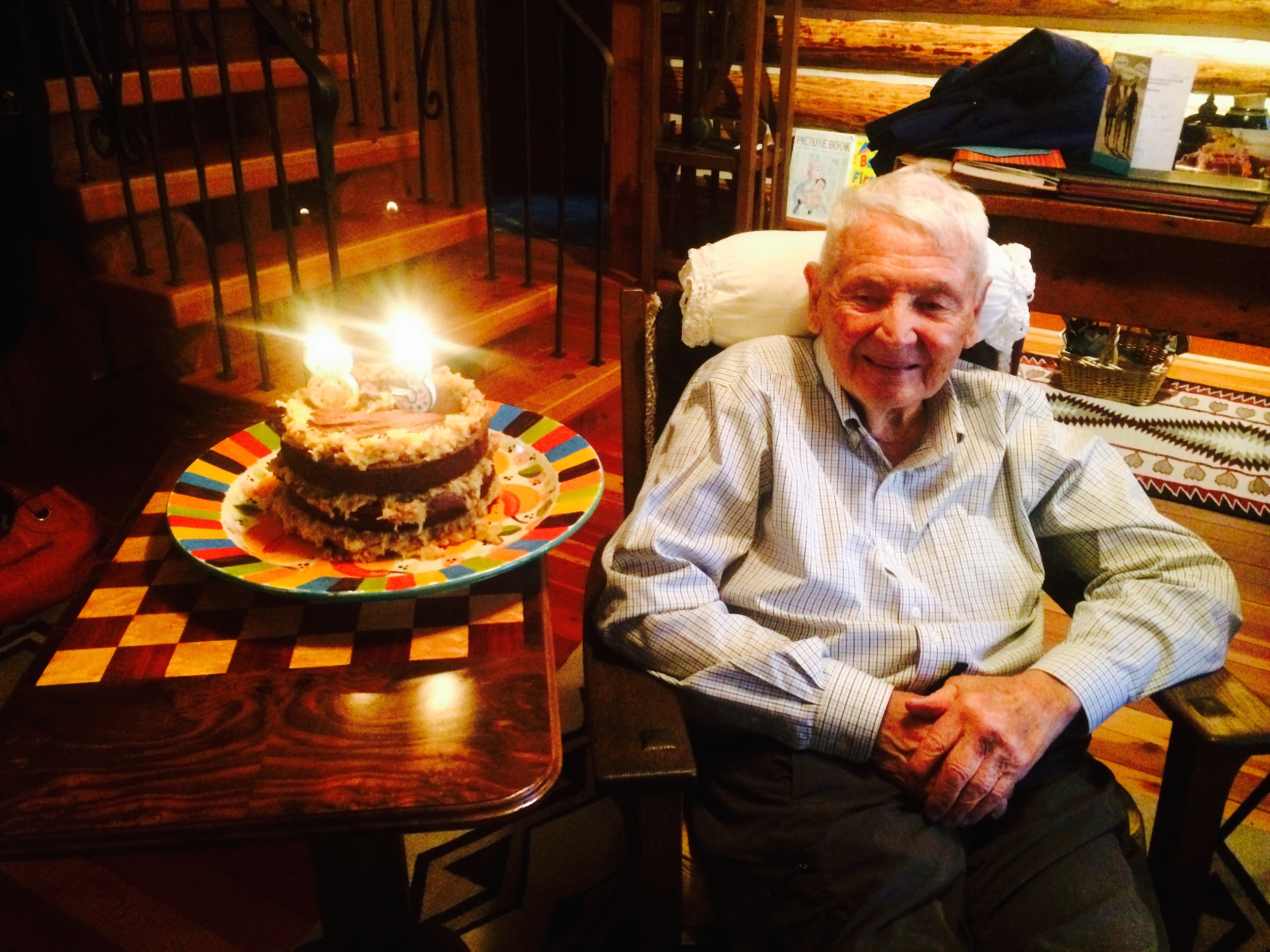
January and February are big birthday months for our family and I'm glad. After the holidays, and with the weather, these months can seem kind of dismal. Don't let this happen. Research from many fields indicated that we are happier and healthier when we connect with others. And, it is an ancient human tradition to connect over food: To break bread with one another, or in our case, cake. 

I generally make most of our gatherings pot luck. This way, everyone can contribute and no one person is overburdened. Plus, you get more variety. Yes, you have to clean and spruce your house and buy a few extra groceries, but it is well worth the fun. You may choose an occasion as a reason to get together, or have none at all. We have done board game nights, movie nights, a mocktail party, and of course gatherings for birthdays and holidays. My friend's son once had a Braveheart party. And about birthdays: don't think anyone is too old for a birthday party. Just do it. 

If you would like to learn more about how social connections are associated with longevity and happiness, let me refer you to the book Thrive, by Dan Buettner. It is not to be missed. It is about the lifestyles of those around the globe who are very long lived. You might be surprised at what you learn. This book is listed in my " Retail therapy" section of the website in my Amazon store. 

Wellness Wednesday: What is Wellness ?

Did you realize the concept of wellness wasn't always around ? According to an article in the November issue of Real Simple, the term did not appear in the English language until the 16th century. Until then we simply thought of the absence of disease.  

After World War Two, the World Health Organization ( WHO ) explicitly defined health as not simply the absence of disease, but rather a state of " complete physical mental and social well-being ". The concept of " High Level Wellness"  was defined in a book of the same name in 1961. And finally the first " Wellness Center " was opened in northern California in 1975, and was catapulted to both fame and ridicule with its spot on the TV news show 60 minutes in 1979. Today the general public and the medical profession take wellness very seriously. I agree with the WHO definition of what it is. What interests me is how to attain it.

My first comment is this: that wellness is not a one time goal. Rather it is a constant work in progress. It is borne of a repetitive but dynamic rhythm of daily activities that we must consciously put into place. If I have emphasized anything about health maintenance in my practice it is this: that no one thing that will confer wellness. It is a comprehensive approach which says that every thing you do or take into your body must be for a good health promoting purpose. Whether it is a food, an exercise, or even a manner of communication, it should be for the good. If these good things are done so often as to become habits, their cumulative result is wellness. In other words, it is the summation of all the well chosen good small things and actions in the day, experienced repeatedly over time. 

In this spirit I would like to introduce the concept of optimal health. Yes there is great satisfaction in curing disease. But there is even more in teaching people how to move toward optimal wellness.  And with that in mind I would like to share a terrific website :

Greatist.com

Of course it is a play on the word "greatest" and I take it to mean someone who studies and tries to embody that which is great. The site offers tips not only on nutrition and fitness, but also addresses optimal life functioning in general. So check it out, as a part of your quest for wellness. 

For more information see: 

The Eight Dimensions of Wellness 

MEDICAL MONDAY: The medical facts behind helmets and skiing.

This article is written in honor of my brave niece who is recovering from a ski accident. 

She is very athletic and very experienced. She is not reckless, and was wearing a helmet. Nonetheless, she caught an edge, lost a ski,  flew out of bounds, hit a tree, lost consciousness and went down a tree well. Luckily, a patrol just happened to be skiing right behind her and dashed down after her. She and my sister in law, who nearly passed by the single ski on the trail, hauled her out, and our awesome Alert Helicopter evacuated her. Her helmet suffered a big gash. She got a concussion and some hairline spine fractures. People keep saying she is so lucky that that she was wearing a helmet. 

It wasn't luck. The data and recommendations are crystal clear and their family follows them. I have summarized them here for you. They come from a review article which was published in the Journal of Trauma and Acute Care Surgery in April of 2014. This review combined the findings of 16 prior well designed studies which examined the effects of helmet wearing on both skiers and boarders. Here are some of their key findings: 

  • Injuries in boarders are more numerous and more serious.
  • Incidence of injuries are higher in males, and those under 17 years of age. 
  • A 1996 study showed the average inpatient cost of a skiing or boarding injury to be $22,000.
  • There are 600,000 ski and snow boarding related injuries per year in North America.
  • About a fifth of these are head injuries.
  • About a fifth of these head injuries are severe enough to cause loss of consciousness of concussion.
  • That's about 24,000 people per year losing consciousness or having a concussion with their head injury.
  • The 16 studies collectively showed anywhere between a 30%-60 % reduced incidence of head injury while wearing a helmet. 
  • They also showed decreased incidence of loss of consciousness upon striking a fixed object while wearing a helmet. 
  • Wearing a helmet is not associated with increased rates of other injuries, poorer responses to stimuli, or riskier behaviors. 

The authors concluded that helmets should be strongly recommended and that policies should be put into place to promote their usage. 

My niece is going to be fine. But she has a few challenging weeks ahead of her. She will miss her finals, miss her sports, and end up with lots of physical therapy and doctor visits instead. We are just grateful she is with us and, and still moving and smiling. 


Structure Sunday: Things that help keep me organized

I am not naturally organized. If left to my own devices, I would go deep. For example, I would knit for a whole day. I would read entire books, workout a little too much, or cook overly complicated meals. I don't lack for inspiration or tenacity. What I work towards, is balance and rhythm in my schedule. 

I am almost 53 and smart enough by now to seek outside advice. Lots of it. All the time. I have learned that I need it. At this point in my life, a big source of inspiration are my co- workers. They are the common sense ones. A person always needs that kind of people in their life. If you don't have any, I suggest you find some. 

Beyond that, my books and other media are very important for me. I read a self improvement article from one source or another two to three times a week. I have a couple solid go-to books on time management, and they never cease to help. Finally,  I listen to a selection of podcasts when I am in the car or doing things like folding laundry. These are weekly audio blogs on various topics, all collected for my listening pleasure by subscription, for free, on my smartphone, which hooks by bluetooth or cord into the stereo of my car or my house. I can set the settings to keep only the recent episodes, so there are no worries about all my space getting used up. To get podcasts, at least in the apple world, you go to the app store, or open the podcast app on your phone. I am sure it is just as easy for other platforms ( yeah right ; ) You'll have to pick your own topics. I defy you to find a topic that is not without a podcast. From chess to chocolate you will not be disappointed. 

For books, I recommend The Everything Time Management Book. It is clear and fun to read. My favorites are from the Harvard business review series ( the HBR series) and my favorite of those is Getting the Right Work Done. I will make sure to include these in my Amazon store which is under the Retail Therapy link in the left menubar. 

Bute even better and more up to date are articles in key magazines. I like learning about the science of human productivity and how it informs the way we conduct our lives. What does science say about habits ? What does it say about sleep or the way we study ? There's a lot to learn even in the social sciences about things like how to manage our feelings, and how we should communicate in order to get along. 

It takes a lot of reading to follow all this, and so I try to chose strategically. First, I set up a good home page on my laptop. My current one is through Yahoo, and I have it customized to the hilt. I also have a good few news reader apps. My faves are Flipboard and Currents, and these are also highly customizable. 

I still crave some paper, so I get a selection of key magazines, like Wired, Scientific American and Real Simple, to name a few. But more and more, I am choosing digital magazine versions. Oftentimes, but not always, digital versions come with the paper subscription, as long as you can log in with your subscription number. ( You all know that a subscription is much much cheaper than buying individual issues, right ? ) Digital magazines allow you to have all of your reading with you all of the time. 

Make sure there is a time for everything important in your day. Whether you are a stay a home mom or a busy executive, you should prioritize and block it out like the president. Just don't forget to block out some time every week to reassess and improve the way you keep yourself organized. 


Medical Monday: More questions than answers on gluten and gut health

We are all aware of the new interest in gluten free diets. Should you be concerned ? To answer, I would first say that if you are well and feeling fine, you need simply eat properly and exercise regularly to keep it that way. You need not avoid gluten. However, if you suffer from bloating and cramping, a visit to your doctor is in order. To prepare, keep a simple food and symptom diary. Be prepared to undergo certain lab studies, or even get a referral to the Gastroenterologist. There are many conditions which might cause these symptoms. Sometimes it is challenging finding out what is wrong. 

Celiac disease is an autoimmune destruction of the lining of the gut, stimulated by gluten, in those that react to it. Gluten is a protein in various grains. Gluten intolerance is very specific reaction and even a small amount can set it off. It can be diagnosed by blood work and sampling at colonoscopy.  Avoidance of gluten allows the lining of the gut to heal. 

If celiac disease proceeds unchecked, the lining of the bowel becomes overly permeable, giving rise to the so called " leaky gut. " The leaky gut is associated with various forms of autoimmunity, but it is not known whether it is the cause or the effect. Regardless, a leaky gut means poor digestion and increased inflammation. 

People without celiac disease can get a leaky gut. They may suffer from other chronic or autoimmune illnesses, or from high levels of chronic stress which influence the gut directly. They may simply have a very unhealthy diet or take in toxic substances like alcohol and tobacco which damage the lining of the gut, leading to a cascade of additional problems later. Again, it is unclear whether the leaky gut is the cause of the effect. 

According to Dr. David Rakel, Assistant Professor and Director of the Integrative Medicine Program, Department of Family Medicine, University of Wisconsin, Madison, treatment for a leaky gut includes the Four R's. 

The four R's are: 

1. Remove irritants

2. Replace enzyme agents 

3. Reinoculate with probiotics 

4. Repair the mucosal lining with exercise fiber and fluids. 

For more information, please see his excellent handout here

I hope this reduces concern about this hot topic. Just be aware, it is a relatively new area of study, and we do not yet have all the answers. Beware of any blanket prescriptions or quick fixes out on the market. And by all means, whatever you do, enjoy your meals. 

Structure Sunday: plan your winter

For immediate reading 

For immediate reading 

Now that all the holidays are finished and guests have gone, it's time to plan your winter. Work, for most of us, stays the same, but projects change. I like to get inspired with new reading. At the end of the year you can find numerous good reading lists such as the one featured by Wired magazine "The ten best books of 2014. " There are many more lists for sci-fi, fitness, crafts, cookbooks and of course the New York Times review of books. You might consider signing  up for the free website Goodreads for in depth reviews and recommendations. Then when you are good and inspired, prioritize all those creative projects you've got going and get to work on one !  

Structure Sunday: Holidays, the Happy Disruption

I have been meaning to write a post about how routine is the basis of all health maintenance.  It has to do with how small simple tasks repeated over and over in time, create health. Or wealth, for that matter. Everyone knows that small consistent contributions to a savings account make large gains over time. One could also argue that consistent routine is the basis of most work or creative productivity. 

But health is our wealth, and what I want to emphasize is the regularity of just a couple things: nutrition in three healthy meals and snacks, and regular 6 days per week of exercise. If these could be done simply, moderately, and consistently, without a lot of stress or fanfare, it would be awesome.

However, it is the holiday season. Holidays can be disruptive, to health, wealth, nutrition, exercise and work. And as you have seen, I am a bit off schedule in certain things. For example, I took some time off from the blog due to sheer merriment and kids being home from college. But I have been thinking about you all, and how you are faring, during this festive and sometimes disruptive season. 

Here are my simple suggestions for keeping the happy in the holidays. Try to keep to your exercise above all, especially since you're perhaps eating richer food this season. Even if you eat treats, such as those on this holiday table, don't fret. Sample them in moderation, by all means, but be sure to include healthy holiday food in the menu. 

And since it is the holiday season, I feel I can ask for a few more things. Have ice water or plain club soda on every table, and ladies, no more than one 8 ounce glass of beer, wine, or champagne per day. Try to sleep at least 7 hours per night. Finally, develop a holiday month plan, right down to gifts, wrapping, invitations, and meals. I am a big advocate of plotting all this on a calendar, and refining what works bests year after year.

Routines, large and small, will help you keep the holidays merry and bright. 


Medical Monday: A plague of pyelonephritis !

I don't know about other professions, but in medicine there is an old intern's tale that things come in threes. It can be ectopics, miscarriages, twins, or this last week : pyelonephritis. Pyelonephritis is infection in the kidneys. It's awful. But good news: it's easy to diagnose and treat. I might add, it's easy to prevent. 

What is it and how can it be prevented ? To start thinking about kidney infections, think first about bladder infections. They are very common. Women get them because their urethra is all of about 3 cm long and the bacteria in the area can ascend quite easily. Whenever there is irritation or dehydration, infection has a chance to set up.

An undiagnosed or neglected bladder infection simply ascends up the urethra to the kidney, and if the patient is dehydrated, run down, or otherwise compromised in some other way, she can develop a kidney infection. Forms of " other compromise"  include, but are not limited to, kidney stones, other illnesses or pregnancy. 

Bladder infections have the symptoms of burning, urgency, or difficulty voiding. They are diagnosed by symptoms and a dip test. They are easy to treat with tablets taken by mouth and generous hydration with water. 

Kidney infection symptoms are more systemic, including fever aches, nausea, and backache. These infections are deep within the body and have gotten through several defenses. They require IV antibiotics or shots, and good hydration. If a pregnant woman gets a kidney infection, she must be admitted to the hospital, usually for a few days. Pyelonephritis is linked with preterm labor. 

How can we prevent kidney and bladder infections ? First and foremost, hydrate well. Women need 2 liters of water a day, and pregnant women need 3 liters per day. A good rule of thumb is to keep your urine looking nearly clear. Urinate after sex. Keep yourself well rested and in a good general state of health. Finally, don't wait to call in if you think you might have a bladder infection. If you wait too long, you could get pyelonephritis. 

Food Friday: Step out !

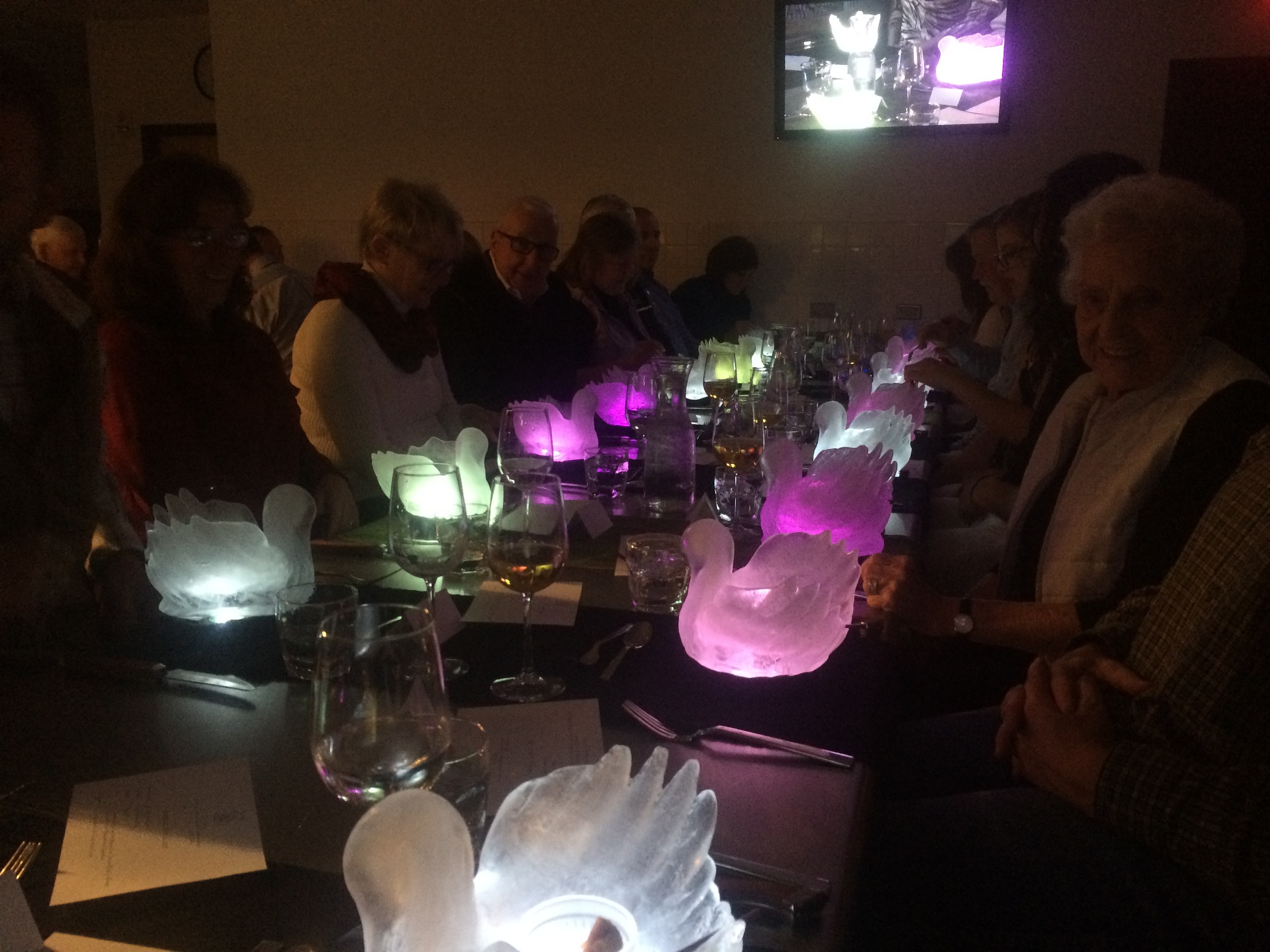
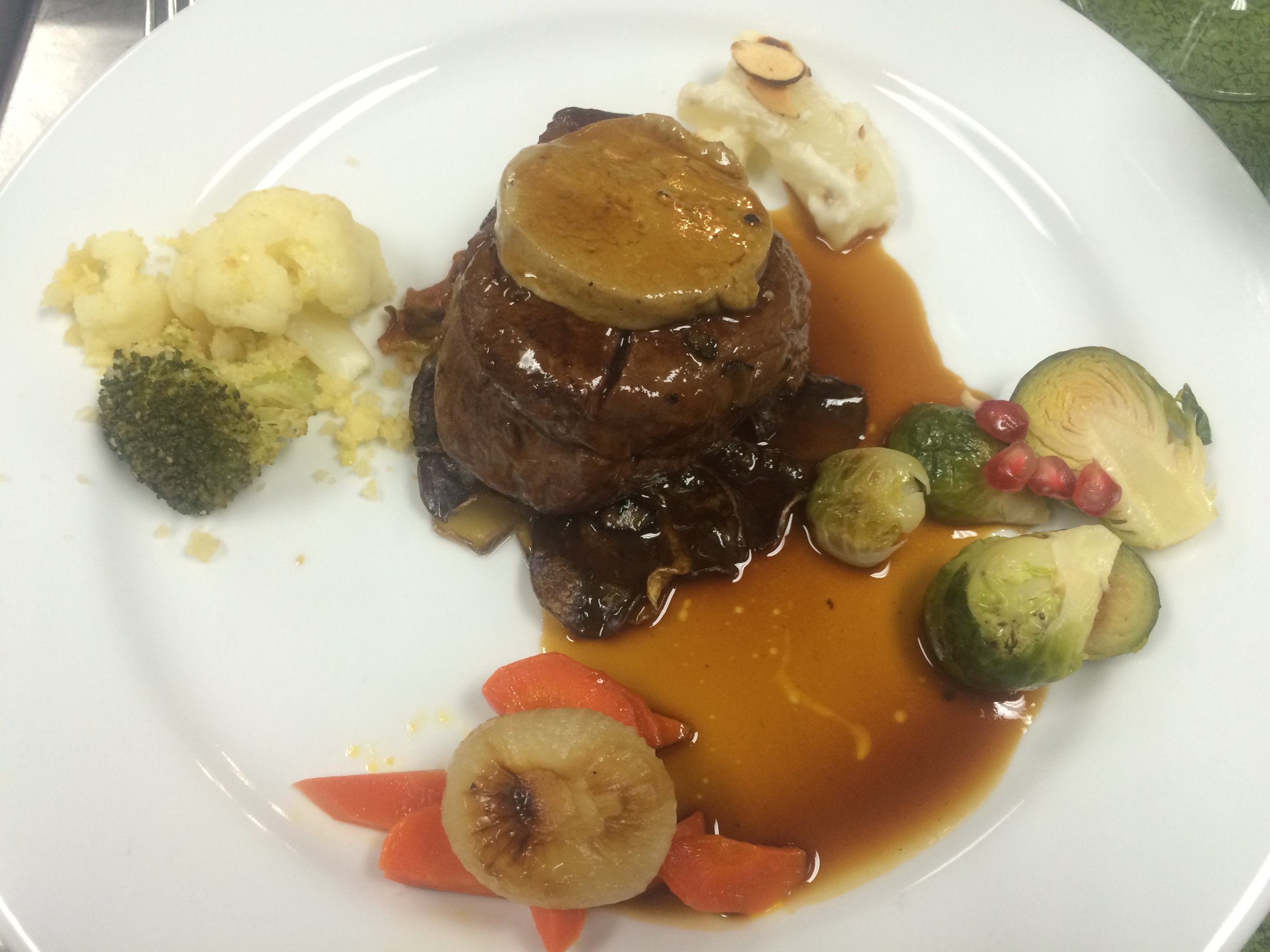
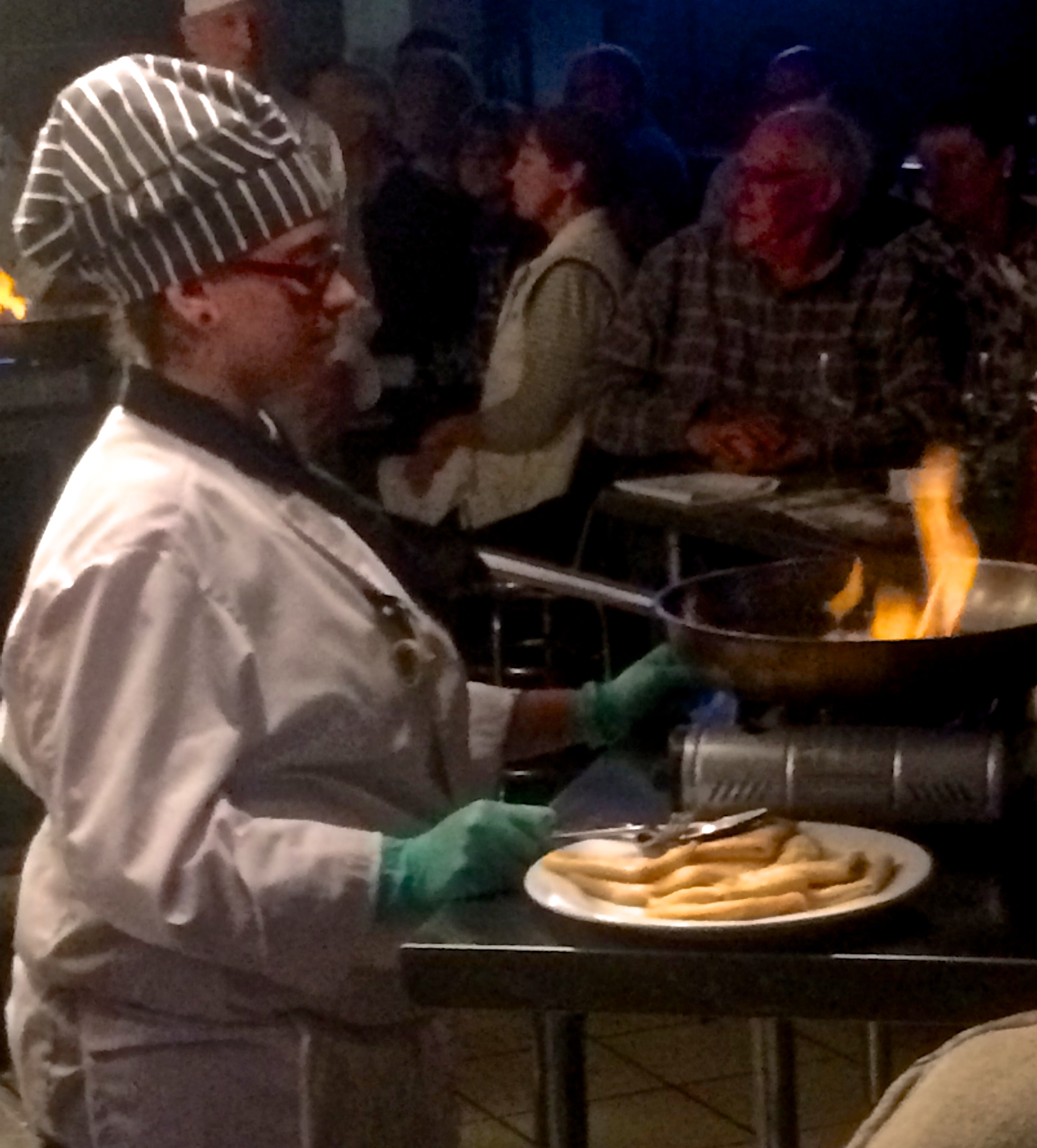
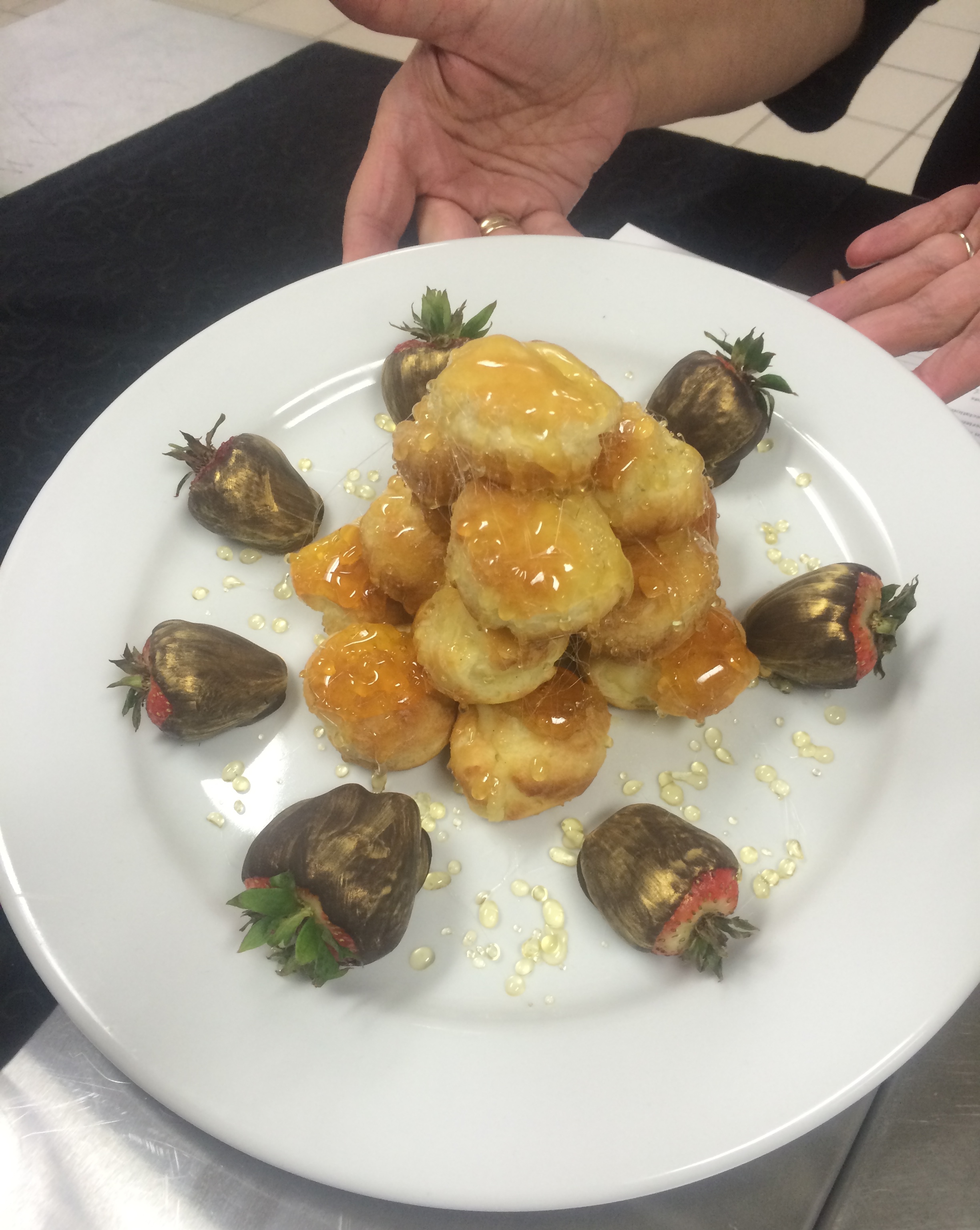
Home cooked food is always best. But once in a while, it's great to dress up, step out,  and go out to dinner. We were so inspired this evening by our local Culinary Institute of Montana. We couldn't think of a better way to support the college and see the great things they are doing there. We are so fortunate to have this caliber of culinary school in the Flathead Valley.

I must encourage you in the strongest possible terms to save up and splurge by coming to " The Chef's Table" given every Friday night during the term. But I caution you, they sell out quickly. If you live outside of the Flathead Valley and in the type of town which might have a cooking school, it would be worth a phone call or two to see if their students serve to the public. 

And without further ado, I will share with you illuminated ice swans with palate cleansing sorbet, beautifully plated food, flaming crepes suzette, and gilded chocolate strawberries with cream puffs. Inspiration ! 

Medical Monday: Two newer vaccines in the spotlight

It's November, when rates of upper respiratory infection tends to rise. Everyone is tuned into the idea of getting a flu shot. Most people know that it's especially important for pregnant women. But did you know that the TDAP is now given in the latter part of pregnancy ?

TDAP vaccination has been proven safe and effective for prevention of pertussis. TDAP stands for tetanus diphtheria and PERTUSSIS, otherwise known as whooping cough. A relatively recent recommendation is to give it between 27 and 36 weeks of gestation. We don't wait until the end of pregnancy since we want there to be enough time for mom to create protective antibodies to pass to baby. That way, baby is protected against pertussis from the moment of birth. 

In other vaccine related news, the HPV vaccine rates are still lower than they should be. HPV stands for human papilloma virus, and it is cause of genital warts and cervical cancer. HPV vaccination should be given to both boys and girls around age 11-12. It is given in three doses over 6 months, and is very well tolerated. It can be given until 26 years of age. A recent report indicated that states with high vaccination rates have low cervical cancer rates, and visa versa. This is some of the first longer term data emerging from the HPV vaccine experience. Happily it is preventing disease as well as expected. We have just got to do more to promote its adoption. 


Source: Medline Plus from the National Library of Medicine

Structure Sunday: Understanding the structure of my blog !

This evening 's blog is participatory. I will direct you to a survey link here. I has to do with the type, number and timing of my blog posts for you. Personally I think surveys are fun, especially when I can see the final results. I like to see how my preferences compare with others. 

There are so many important and fascinating topics on which I might write, that our blog would lose all structure. So since I am interested in what interests you, I am putting this out there to make it easy for you to give feedback and suggestions. 

https://www.surveymonkey.com/s/XNRRQXQ


Wellness wednesday: Sleep and how I am not doing a good job of it.

I try to model the health behaviors that I teach. But this is one area where I am falling short of my goals. I simply do not engineer enough sleep into my schedule. I am writing about this now to put this whole sleep situation under a microscope and see what I can learn. 

Here are some important and interesting facts about sleep:  

Sleep affects mood, memory, performance and metabolism. 

Lack of adequate sleep contributes to obesity. 

Most people need between 7.5 and 8.5 hours per night though the range is 5-10. 

There are distinct sleep types called owls and larks who keep late and early hours, respectively.

Serious sleeps problems can lead to mental health problems. 

Drunk and drowsy driving are equally dangerous. 

Wow ! It seems we need to take sleep more seriously. Now more that ever sleep science is a well developed field and is often practiced within the department of Neurology. Furthermore, Sleep Medicine is a well defined field  providing diagnosis and help for those in need.


Dollarphotoclub_62364133.jpg

There is a great deal that we ourselves can do to improve our own sleep: 

According to the National Sleep Foundation at sleepfoundation.org, the following are a few  " Healthy Sleep Tips " :

1. Have consistent wake times and betimes, 7 days per week. 

2. Have a consistent and relaxing bedtime routine, just like for a child !

3. Avoid all but short naps in the day. 

4. Exercise to cardio levels every day. 

5. Make your bedroom cool, quiet and  dark. 

Patients often tell me they cannot sleep because their mind is busy with all their stresses, challenges or projects. I think it is helpful to address these briefly as a written list before the bedtime ritual begins. Then they are dealt with in a constructive way, and thinking about or dealing with the items can be "rescheduled " for the next day. 

I realize that I have been thinking about sleep as almost a dispensable luxury. However it is actually a health requirement. Newer research indicates sleep drives the metabolic clearance of the brain. In other words, waste products are cleared from the brain during sleep. 

My education, training and profession have trained me to disregard this need, and I realize a little perspective is in order. I am very enthusiastic about other health habits like exercise and nutrition. Thus, I have decided to reclassify sleep from " waste of time " to health habit. I have also played with tracking my hour of sleep. In this way it becomes a goal to shoot for, and I become more determined to meet the goal once I have set it,  a strategy like this makes it like a game. This is called " Gamification". This gamification will become easier with new devices and apps coming on the market. But all you really need to make your sleep better is some information and a decision to take action. 


Medical Monday: Infections by the numbers

Ebola is on everyone's mind. Worldwide the death toll is approximately 2000 people most of whom were in West Africa. People are not aware that it is not easily spread. The odds of getting it in United States are vanishingly small. Sadly there is not yet any vaccine for Ebola. 

To put the death toll from Ebola into perspective consider these numbers: 

9,700,000 children under five per year die from  preventable disease.

250,000 per year,  probably more from flu or flu related complications. 

100,000 per year die of measles of cholera 

1,500,000 per year die of diarrheal disease

Now let's consider our little corner of the world, Montana. Flu season officially started at the end of September. This year Montana has had 5 confirmed cases so far. However, in the previous reporting year we had a total of 3192 cases, 313 hospitalizations and eight deaths that attributed to influenza, with the bulk of cases being in December and January. 

What about Montana's other common preventable infectious disease ? It's Pertussis of course. It is also known as whooping cough. However in the previous reporting year we had a total of 661 conference cases. There were 361 hospitalizations and 15 deaths, mostly of people over 65.

Our scourges, flu and pertussis,  are vaccine preventable diseases. What about theGuillain-Barr syndrome (GBS) , or temporary paralysis ? It too has been studied and it's incidence in the US is around 3000-6000 cases per year whether or not a vaccine was or was not received. It has been determined that one is much more likely to get GBS after flu than after a flu vaccine.

 As I look at the disease rate time charts for prior seasons of each of these vaccine- preventable diseases, I see that we are right ahead of the big bumps in numbers of cases. I hope we get ahead of the curves this year. Pertussis and flu vaccines are available everywhere now. 


Structure Sunday: bags, boxes and containers

You all know that I am all about fitness, nutrition and productivity. In today's post I am going to reveal the Secret behind having all of these : bags. Yes bags, and to a lesser extent boxes and other containers.

I think it is entirely possible that love of bags, boxes and containers can be taken to the level of obsession. I mean, they're not even a thing. They are a thing that hold other things. And yet, they can be so appealing and so useful. I chose to write about them today because they can make a number of aspects of your life better. 

Take nutrition. When you shop, you want to be mindful of what you buy. One way to do that is to bring your bags. Most grocery stores have their version of a reusable bag. Places like Pier One have cheap but beautiful ones. Natural Grocers has a sturdy version in burlap. At any rate, you are thinking green when you bring those, and so by association you are thinking healthy, and so you are NOT going to fill one of those up with white bread and soda pop. That just isn't going to happen. 

Once home, you have to plan for tomorrow's lunch and snacks so you can avoid eating unhealthy, eating out, or going without. A nice lunch bag makes this so much easier. It gets you excited for packing your lunch. You can also include a wide mouth or a drink thermos. Think about what you would want in your dream lunch bag, and then go find it. I saw some good ones at Target the other day. Pack it all with a lunch and two snacks while you're cleaning up from dinner. 

Then there's the ski bag, the lake bag, the picnic or go-to-a-potluck rigid basket, and so on. Fix some of these up and things will start Happening.

I would like to highlight two more: the gym bag, and the office bag. 

Regarding your gym bag, yours will not stink. The gym bag is inspiring. You have an outfit in which you feel comfortable, the right shoes, a coordinated water bottle, and your ear buds. Sometimes you need changes of clothes, and shower stuff, depending. Trick yours out and you will get to the gym more than ever. 

Finally the office bag. In order to ready your office bag, which people used to call a briefcase, you have to clean it out, look at your schedule for the next week and the next day, then pack it back up with the necessary files and items to get those things done. You make sure all your electronics are charging, and that you have enclosed your favorite things like glasses, lipgloss, etc. Doing this will of course, tremendously lower your stress and cause you to feel confident about the week.

See how bags have great health benefits ?


Food Friday: Food for Thought

I think I crave great content even more than great food. I bet most of you are the same. 

IMG_3478.jpg

Give me a Starbucks and a book. I'll forget about my favorite lemon pound cake and my decaf latte will go cold. Similarly watching a movie during dinner is a great portion reduction plan. 

In the beginnings of the internet age, we all wondered how we would keep up with all the new information. But now I don't worry about that. I have a home page I can customize, and email subscriptions to my favorite websites. I have spam filters to block out most of the garbage, and it all works out fine.

I came from a home where the TV was on all the time. I remember blocking my dad's view just to get his attention.  I don't have TV now. I am therefore not subject to any networks tastes. I choose what I consume. I like it a lot. 

It's not that I don't consume media. I do, and I have a voracious appetite. I have hot piping TED lectures served fresh in my email box every day, and even some mind candy like Gwyneth Paltrow's newsletter. I have Netflix, and Apple TV, but I've learned to be really picky, just like I am with food. Only the best for me. Of course I get all the medical stuff, so I can keep up with you all. It's served to me right to my inbox. 

And so it is in that spirit that I would like to serve you a dish or two. I have just set up our blog to be on an RSS feed. This means that whenever a new post is done, those of you who are signed up on our website will get it fresh in your inbox. 

I'd love for you to sign up. I'l do my best to make sure it's good, and good for you. You can sign up on any page of the website drginanelson.com, in the left side menubar, or on my office Facebook page in the tab titled email signup. 

And from now on, I'll try to make the Friday blog post about actual food. : )


Wellness Wednesday: Learning to Work Out

As the years go by, I have become increasingly regimented in my life. The reason for this is that I like things to be easy. If I simply decide what I need to do, and pick a time for it to be done, then I all have to do is stick with the schedule and things happen as they should without much additional thought. This is the case even with things most people find challenging…like exercise.

I have read widely on the subject of habit formation and it appears that it takes considerable longer to form a habit than most people realize. Instead of the usual three weeks that most people hear quoted, it is actually more like three months. So this is relevant because it helps people have realistic plans and expectations.

I tell people that after a time, working in regular exercise begins to feel natural. The act of beginning to get ready to exercise does not feel like a chore. The internal debate about whether to actually do it eventually ceases. In fact, you begin to feel psychologically uncomfortable if it does not happen at the proper time. This comes after the three month mark. Before that, you must persist by discipline and device.

What devices can you use to get yourself through those first three months?

1.     Get an exercise buddy for accountability. Pick someone your same gender and fitness level if you can.

2.     Keep written or electronic calendar and schedule your workout as though it were a meeting or an appointment.

3.     Restrict your time to somewhere between 15 to 30 minutes. The most important number at this stage is not minutes per session. It is sessions per week. It is possible that once you are a seasoned exerciser, you can get what you need for an hour four times per week. But to establish your habit well, begin with one short session six times per week.

4.     Vary your workouts, but not too much. You may and should be using some DVDs at home in addition to walk-jogging or gym workouts. Any routines which you may be learning need to be done often enough so that they become second nature. It will not be helpful to have you struggling through a routine.

5.     Be realistic in your choice of workout. Take into consideration the weather, your present fitness level and factors like cost. Set yourself up for success.

6.     Make your first three months of exercise very manageable and pleasant, perhaps even less vigorous than you could be doing.

7.     Finally I suggest reading about personal performance. The book “ The Power of Habit “ would be a good start. Concepts contained in such books can be inspiring and useful in many areas of life.

Enjoy your workout !