Wellness Wednesday: Creativity and Health

Yes! There is substantial connection between creativity and health. I started thinking about it today when my creative son Vale said he needs different parts in his day: some hardworking, others restful, and then finally, a creative time. The creative time is when he really recharges. I feel the same way. I crave that creative time almost as one would crave food or drink. 

What is the science behind this? To answer this, we need to remember that, on one level, we live in our nervous system. Our nervous system has two main parts: electrical and chemical. Chemical messengers called neurotransmitters convey information between neurons, long nerve cells, which then conduct electrical signals down their lengths. All our sensory input and thought output occurs this way. When we are creative, the brain is utilized in broad new ways, in a process that is both effort-requiring and pleasant. New neural networks are formed and older ones are kept healthy. More neurotransmitters are released. In fact, a Yale study (1) found that older "creatives"  have measurably more robust white matter of the brain, and tend to live substantially longer than non-creatives. Ok, so creativity seems to keep brain tissue healthy, which seems to be associated with longevity. 

It turns out that creativity also seems to impact the immune system. This was suggested in a small study of HIV patients, wherein writing was utilized as a therapy. Emotional writing versus non emotional writing was associated with a significant rise in CD4+ white cell counts. (2)

All form of creativity seem to be associated with positive health outcomes, from music, movement, to the graphic arts.

"There is evidence that engagement with artistic activities, either as an observer of the creative efforts of others or as an initiator of one's own creative efforts, can enhance one's moods, emotions, to other physiological states as well as have a salient impact on important physiologic parameters. " (3) 

Music has even been shown to help control pain. (3) 

Both being creative and experiencing the creative efforts of others improves measures of well being. On this basis, 

"... the arts are also being used to create safer hospital environments, introduce nature into medical settings and enhance aesthetics through hanging art on previously sterile space. And guess what? Patient/caregiver stress is measurably reduced, quality of care is increased, and costs of treatment go down. (4)

Numerous observational studies have shown associations between being creative  and the following outcomes: 

  • increased happiness/enhanced mood
  • less anxiety
  • increased resilience
  • better problem solving and mental acuity
  • improved self confidence
  • decreased tendency toward dementia
  • increased longevity

What of the person who says they are not creative? First of all I think this is misconception. Creativity may be something you are, but it is also some thing you do, and something you can develop. Though I cannot tell you exactly how to be creative, I can give you a few hints. Creativity involves the following two traits/practices: 

1. openness- meaning mental flexibility and willingness to entertain new ideas

2. conscientiousness - which means carefulness and perseverance. Malcolm Galdwell has postulated that 10,000 hours at something is required to achieve mastery, and of course mastery is associated with that pinnacle of creative states, FLOW, but that is a topic for another day. 

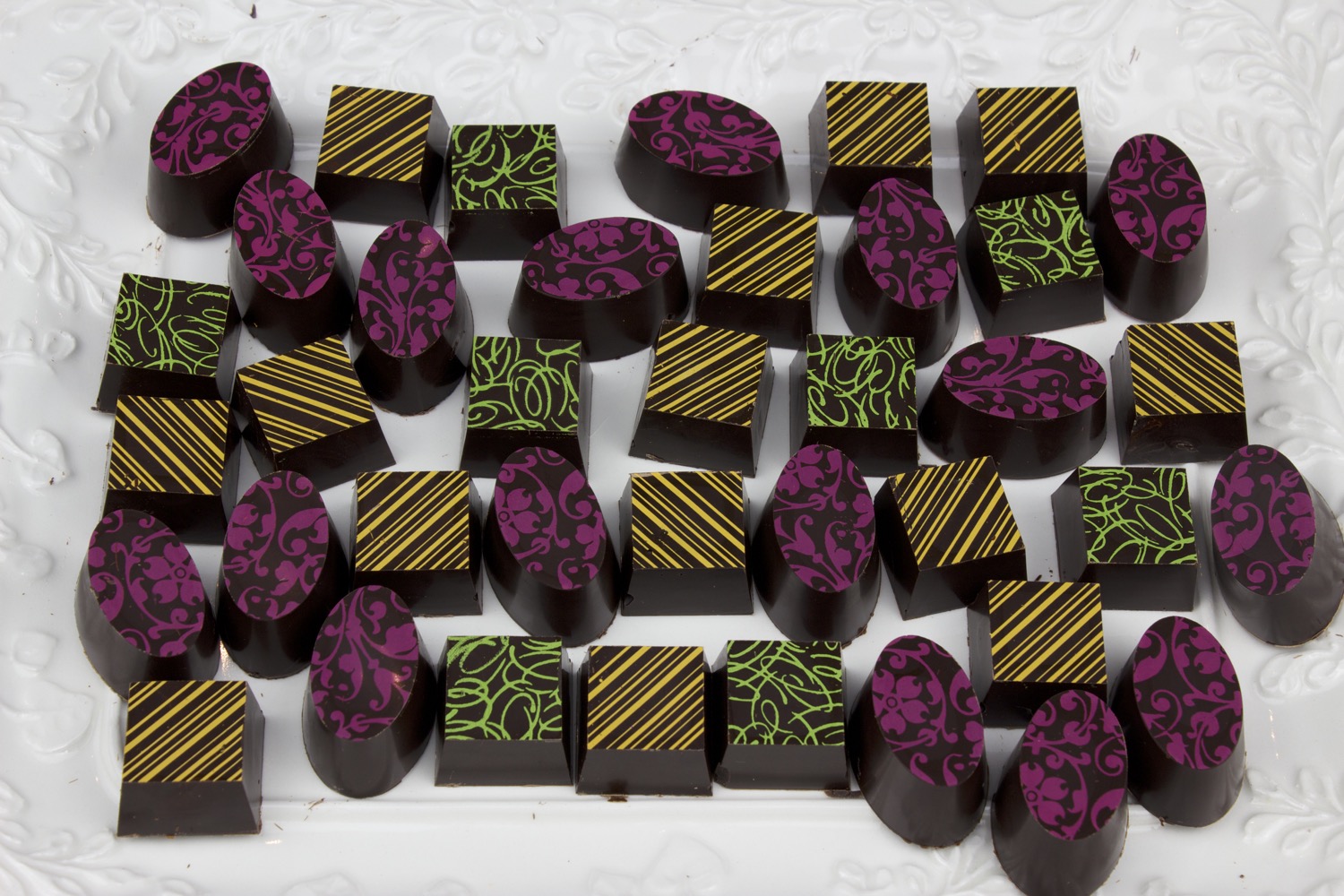
Meanwhile have a look at my latest creative endeavor: 


References: 

http://www.ncbi.nlm.nih.gov/pubmed/21840401

 http://www.ncbi.nlm.nih.gov/pubmed/22807062

(1) http://www.jneurosci.org/content/29/16/5319.full

(2) Psychosom Med. 2004 Mar-Apr;66(2):272-5. 37 pts 

(3) Am J Public Health. 2010 February; 100(2):254-263. 
(4)https://www.psychologytoday.com/blog/arts-and-health/201004/arts-in-healthcare-creativity-the-health-it


Medical Monday: For the Autoimmune Among Us

Chances are, you know someone with an autoimmune condition. This might be Lupus, Rheumatoid Arthritis, inflammatory bowel disease, Multiple Sclerosis, or many others. I decided to post about this on my site since autoimmune disease affects so many women. 

I received a diagnosis of autoimmune disease (Lupus) in 1995, but probably had it long before that. And yet, I am fit and healthy. I believe my health habits have helped with this.

If you have received a diagnosis of autoimmune disease, be encouraged. How you do will depend on your unique disease process, but will also depend tremendously on how well you take care of yourself. Those with autoimmune disease and those that care about them can learn more HERE

Structure Sunday: The Structure of a Weekend

Did you know the the weekend as we know it is only about 100 years old ? I can't imagine life without the weekend. There is no natural correlate to the 7 day week. It is entirely man made and was probably designed in ancient Babylon. From there it was exported to the ancient Israelites and continued through the Jewish people through the idea of the Sabbath. 


However, it wasn't until 1908 in a car factory owned by Henry Ford, that Jewish and Christian cultures combined to give us the weekend. Before that time, workers would labor untold hours. Early labor rights were established after the French revolution, but even then their workweek was ten days on with one day off. Meanwhile in England, Sunday had evolved into the " Lord's Day" for rest and worship. 

In the late 1800s Europe was becoming more and more hostile to Jews. Immigration of Jews to America increased, and they entered the work force. Accordingly, the work force in Henry Ford's factory was composed of both Christians and Jews. The Christians took Sunday off, and the Jews observed Saturday as the Sabbath. To make everyone happy, the clever and diplomatic Mr. Ford created the two day weekend. Not only that, Mr. Ford popularized the weekend road trip... driving what ? You guessed it, his Model T. 

How did fewer working days effect commerce and productivity ? Somewhat paradoxically, research on the subject consistently shows that fewer work hours lead to greater productivity overall. Some say the sweet spot is a four day 8 hour work week, but that remains to be demonstrated. 


References: 

The Atlantic

American Public Media


Here is a rough version of what has been our ideal weekend routine: 


Friday evening: Dinner with family (with reference to the Jewish Sabbath)  something fun afterwards

Saturday morning: Catch up on sleep, brunch with family, outings, projects

Saturday evening: entertain 

Sunday Morning: brunch with family, clean house,  projects

Sunday evening: family dinner and get ready for the week


Here are some fantastic resources on having a great weekend: 

Lifehack

Reader's Digest

The Muse

Fast Company

Forbes

Entrepreneur

Pinterest 

Food Friday: Healthy Barbecue, Grilling, and Picnics.

Everybody loves to play with fire, especially people who like good food and who don't want to be stuck in a hot kitchen in the summertime. 

Check out this comprehensive list of tips for barbecue, grilling and picnics and you will be the smartest flamethrower on the block. 


Grilling: 

  • 7000 people each year suffer grilling injuries. 
  • Read your grill's owner's manual. 
  • Use propane and charcoal grills outside only.
  • Use in a well ventilated area, away from combustible material and at least ten feet from a structure. 
  • Ensure the grill is stable. 
  • Do not move a hot grill. 
  • Have long handled cooking utensils.
  • Have fire extinguisher, baking soda, a bucket of sand, or water handy. 
  • For propane grills, check fittings to make sure they're tight. Check propane hose for gas leaks by applying soapy water and checking for bubbles. 
  • Never turn on a gas grill with the lid closed or you will risk explosion ! 
  • For charcoal grills, use a chimney or electric starter. Never add lighter fluid to a flame. 
  • Dispose of cool coals in a metal container. 
  • Keep younger children away from the grill. 
  • Never leave a grill unattended. 


Food Handling: 

  • Buy cold foods like meat and poultry last, when you are about to head for home. Bag them so liquids cannot contaminate other foods that will not be cooked. 
  • Wash hands with soap before handling food, and keep surfaces and utensils clean. 
  • Thaw in the refrigerator or the microwave NOT the counter. 
  • Keep raw food separate from cooked food. 
  • Marinate in the fridge, not on the counter. Poultry and cubed meat may marinate only 2d, other types 5 days. 
  • Trim fat to minimize hazardous flares and unhealthy charring. 
  • Consider precooking to shorten grilling times. 
  • Consider buying a food thermometer. They're inexpensive. 
  • Cook food thoroughly. 

Poultry 165 degrees

Ground red meat 160 degrees

Beef pork lamb and veal 145 degrees, and allow to rest three minutes. 

Reheat cooked meat like hot dogs to 165 degrees. 

  • Keep cold food cold and hot food hot. 
  • Don't let cooked foods sit out more than an hour if the temperature is greater than 90 degrees. 
  • Discard food left out more than 2 hours. 


Healthy Grilling recipes: 

Cooking Light 

Food Network

Eating Well

Fitness Magazine

Food and Wine 

Health


ENJOY ! 


References:

FDA Barbecue Basics

UDSA on food safety

National Fire Protection Safety Association 


Wellness Wednesday: Weathering the heat

Do you know how hot you are ? Do you even know how hot is too hot ? Find out here before things get too hot to handle. 

One of the body's main tasks is to maintain a constant internal temperature. Our physiologic functions depend on it. There may be fairly wide fluctuations in our external temperature, but our core temperature must stay quite steady, near 98.6 degrees F. If it does not, we can suffer heat exhaustion and heat stroke.  Per Outside Magazine (reference)" On average, nearly 700 people die each year from extreme heat. ". 

When are people at risk ? 

  • During heat index of 90 degrees or more 
  • During relative humidity of 60% or more 
  • When working in contact with hot objects, or wearing bulky protective clothing 
  • When in places of direct sun with little air movement 
  • When they are very young, very old or unhealthy

Heat exhaustion

  • Caused by loss of body water through excessive sweating
  • Symptoms of heavy sweating, weakness dizziness, visual disturbances, thirst, vomiting, diarrhea, shortness of breath, palpitations, tingling of hands and feet and collapse
  • Treatment- cool and hydrate the person by any means possible as quickly as possible

Heat stroke

  • Results when the body can no longer cool itself though sweating or other means and the core temperature rises to 104 or higher. 
  • Symptoms are confusion, agitation, irritability, seizures, coma and brain and other organ damage. 
  • Heat stroke victims usually do not recognize their own symptoms. 
  • Skin will be dry if heat stroke is caused by hot weather, but moist if caused by vigorous exercise. 
  • Skin is flushed, breathing is rapid and shallow. 
  • Heat stroke comes on quickly.
  • If heat stroke is suspected, it is imperative to call 911 to get immediate medical attention
  • Treatment- Cool and hydrate the person by any means possible as quickly as possible while waiting for the ambulance. 

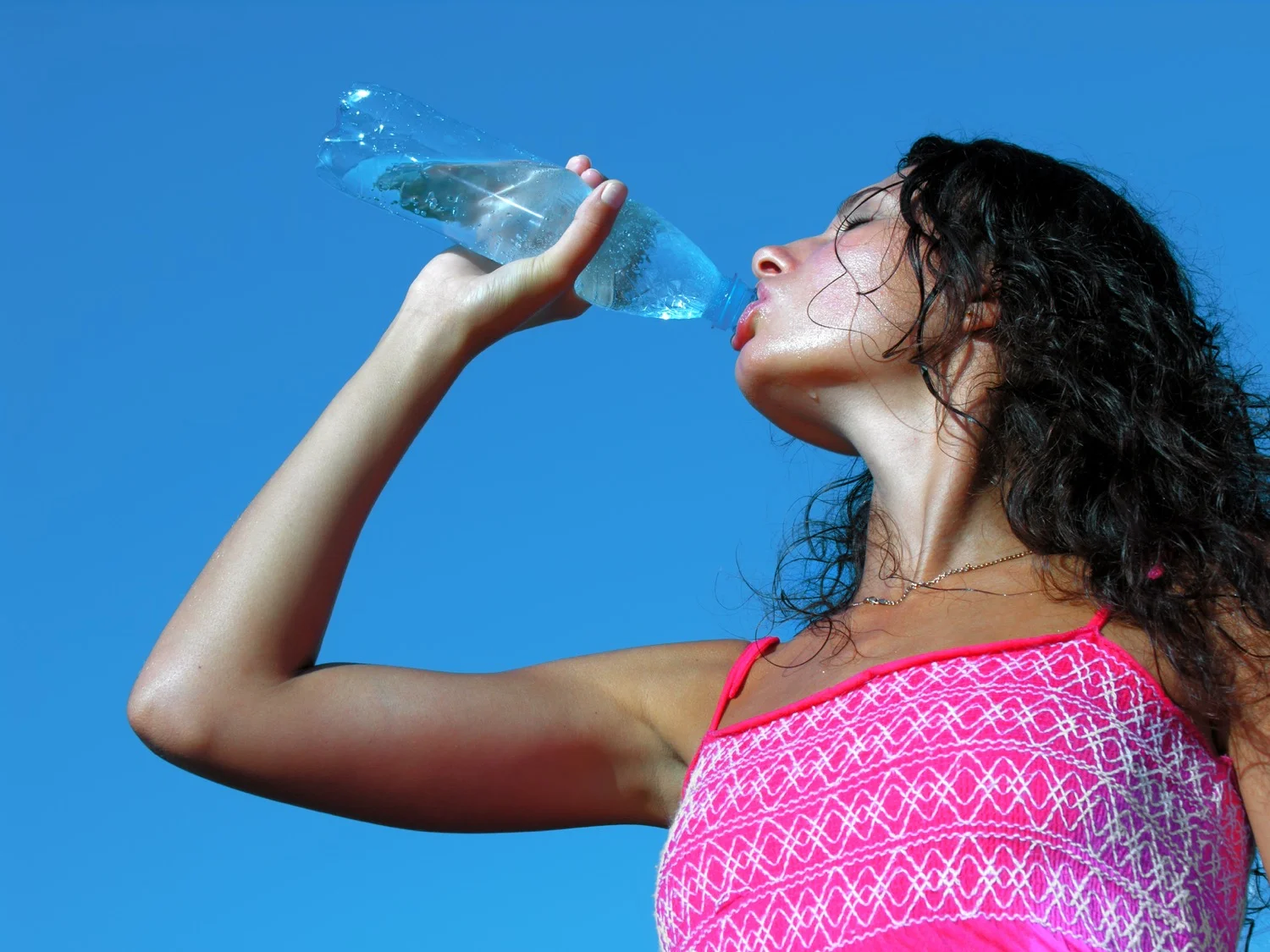
Engineer shade, breaks and ample hydration into your summer activities to keep everyone safe and comfortable in the heat. 

References: 

http://www.mayoclinic.org/diseases-conditions/heat-stroke/basics/definition/con-20032814

http://www.webmd.com/a-to-z-guides/heat-stroke-symptoms-and-treatment

https://www.osha.gov/SLTC/heatstress/


Medical Monday: One step closer to a " female Viagra"

Young couple in the couch having conflict problem.jpg

There is no doubt that female sexual dysfunction (FSD) is a problem in need of solutions. FSD takes many forms. The drug Flibanserin, the so-called "female viagra"  is under evaluation for treating hypoactive sexual desire disorder (HSDD). It is worth taking a moment to define HSDD. 

  • "Persistent or recurrently deficient (or absent) sexual fantasies and desire for sexual activity."
  • This state must cause "marked distress and interpersonal difficulty "
  • This state must not be caused by "another...disorder, ...a substance (e.g.drugs of abuse, a medication) or a general medical condition." 

DSM IV, the Diagnostic and Statistical Manual of Mental Disorders 

When the FDA evaluates a drug, it must demonstrate both safety and efficacy. After three go rounds at approval, Flibanserin has been marginal on both counts. On June 4th, during this third round, it has passed recommended from the Bone , Reproductive and Urologic Drugs Committee to the Drugs Safety, and Risk Management Advisory Committee. 

Currently there are no drugs approved by the FDA to treat any form of female sexual dysfunction. There is a need. So it makes sense that Big Pharma  would submit some candidate drugs.

 In three different studies on Flibanserin, two primary endpoints were studied: sexual desire, and satisfying sexual endpoints (SSEs). 

Study results in summary: 

  1. SSEs increase from a baseline of 2-3 per month by 0.5-1, meaning on average, there was half to one more SSE per month when flibanserin was taken, compared to controls. 
  2. Desire increased minimally. 
  3. Distress regarding sexual dysfunction decreased minimally. 

Concerns and side effects that surfaced:

  1. hypotension (abnormally low blood pressure) 
  2. syncope (fainting) 

The FDA states that concomitant use with alcohol was especially risky: 

"Hypotension anad syncope can occur with Flibanserin alone and the risk is amplified by drug interactions and concomitant alcohol intake. " (reference) 

So...Flibanserin does not seem like an ideal solution, but may be, like many medications, one tool in the toolbox to treat a given disorder. 

Sexual function is complex and sexual dysfunction is most generally multifactorial. It may involve physical, psychological and interpersonal factors. Check with your Ob Gyn if you have challenges in this sensitive area. 

Structure Sunday: The Structure of Summer

Do you ever feel that summer comes and goes too quickly ? If you take some time and think about how you would like your summer to be, you could prevent this from happening again. You might actually make a summer wish list. Just make sure the things on your list are SMART. That is: 

SMART is an acronym for Specific, Measurable, Attainable, Relevant, and Time bound.

I remember thinking of summer as a vast expanse of relaxation, without the structure of the school year. I do think it is wonderful to have time set aside for doing absolutely nothing. But that is not a good way to knock things off your list. 


Need ideas for your list ? 


Create a summer reading list which must have some fiction and non-fiction. Check your local bookstore, Amazon.com, or Audible.com. Check you local library or the New York Times Bestsellers list. Check the Newberry and Caldecott award winners online for children's books. Check for the Hugo and Nebula awards for the best in science fiction. 

IMGP1351.JPG.jpg

Get out of doors with the family at least once per week. 

Keep a garden. You must grow something edible. 

Take a trip to the city. You must visit at least one museum. 

Take a trip to the countryside. You must visit one body of water. 

Make something, i.e. a table, or a pair of earrings. 

Learn something new, like French, gymnastics, or coding. 

Have friends over for dinner and board games. 


Summer is coming ! Don't miss it. 


Food Friday: Cooking With Family

You can't have enough cooks in the kitchen. 

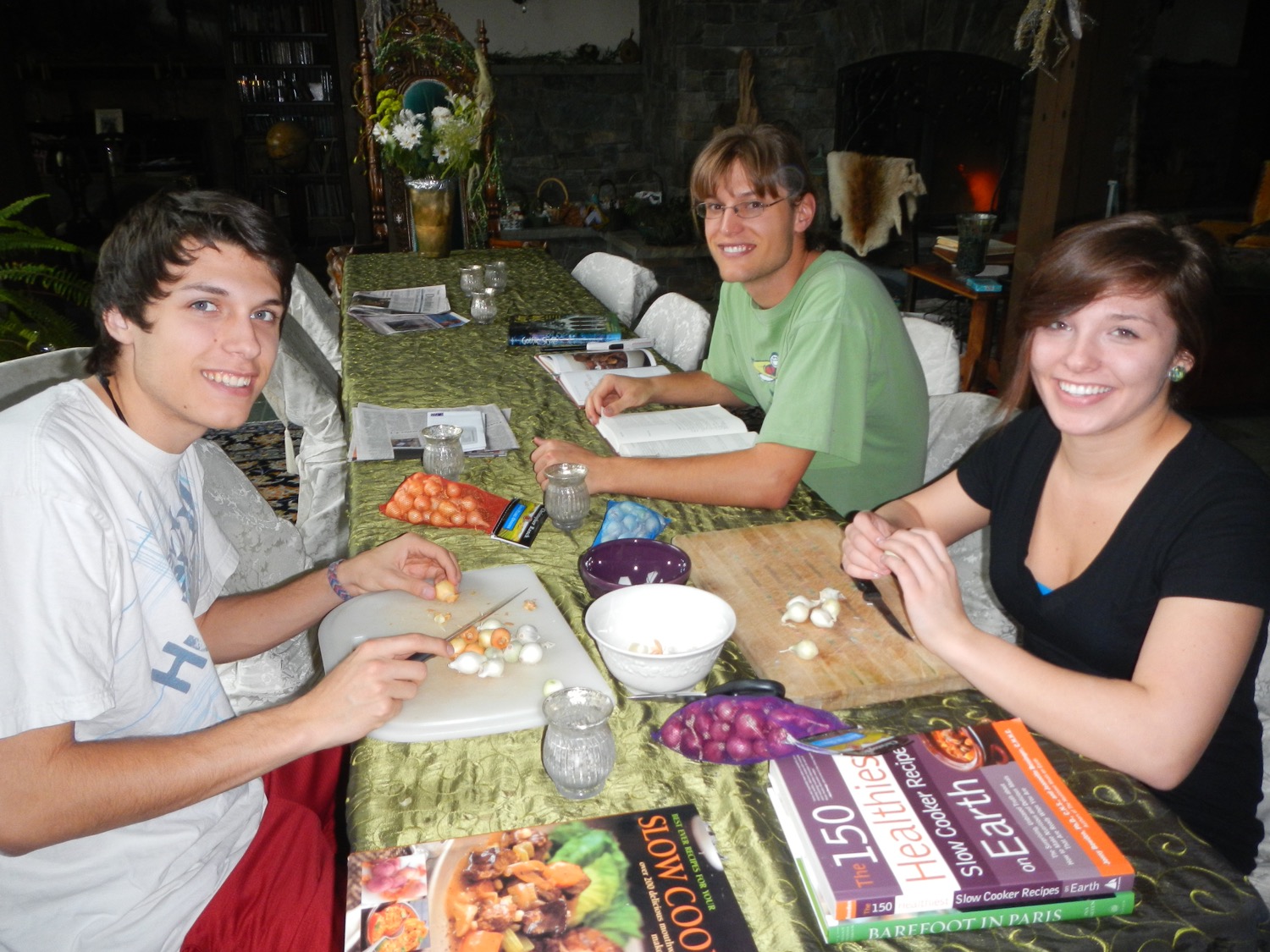
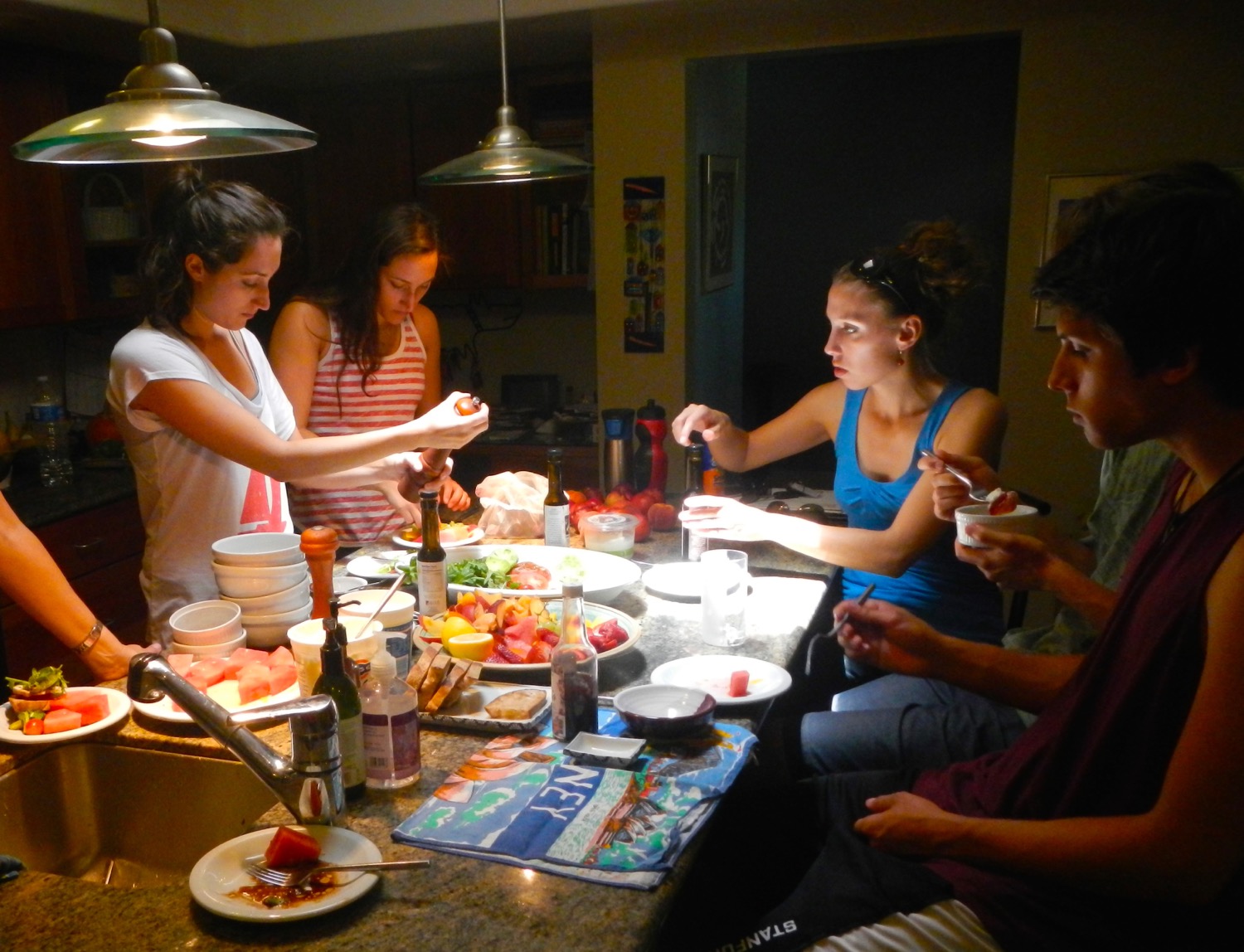
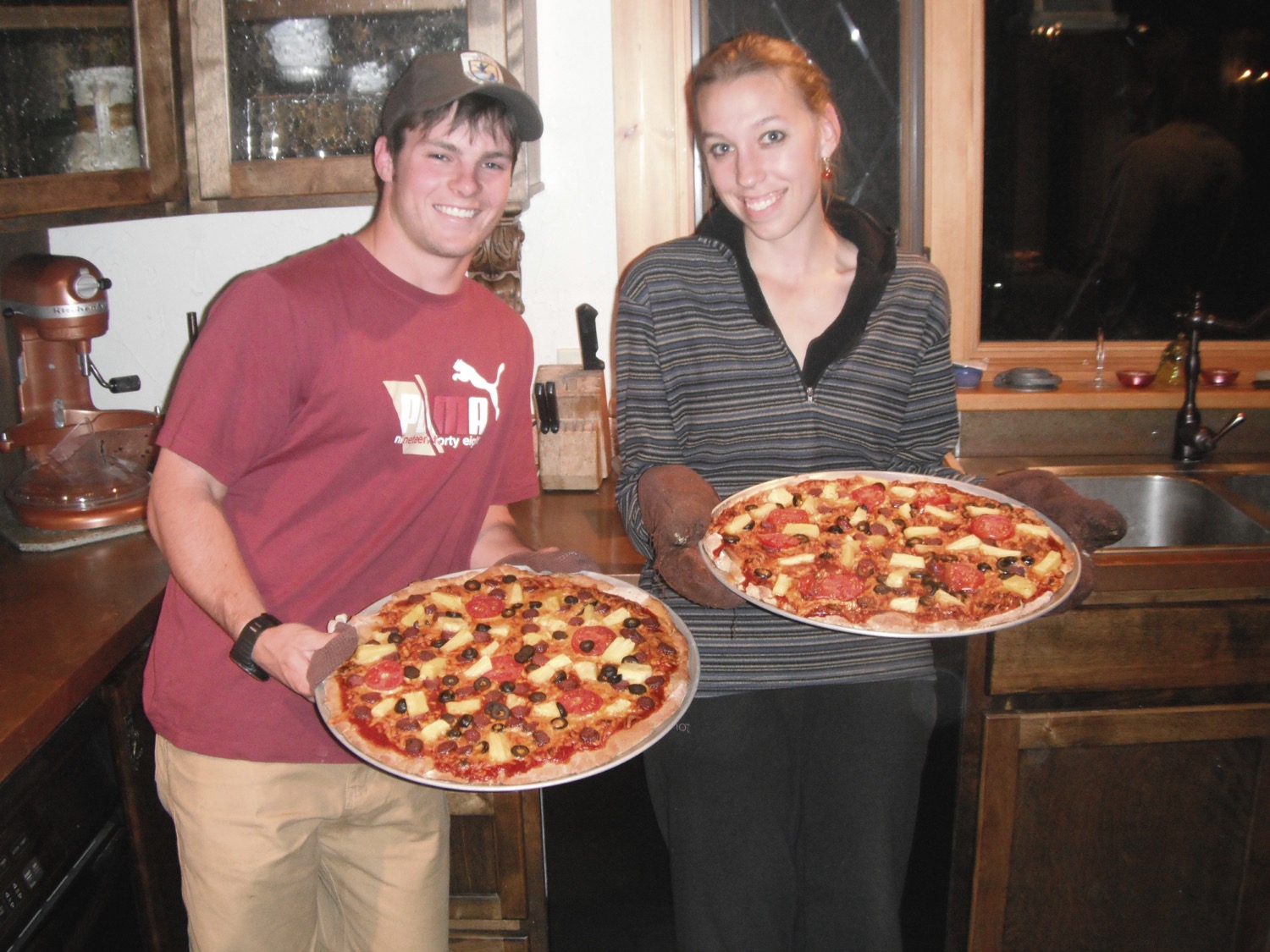
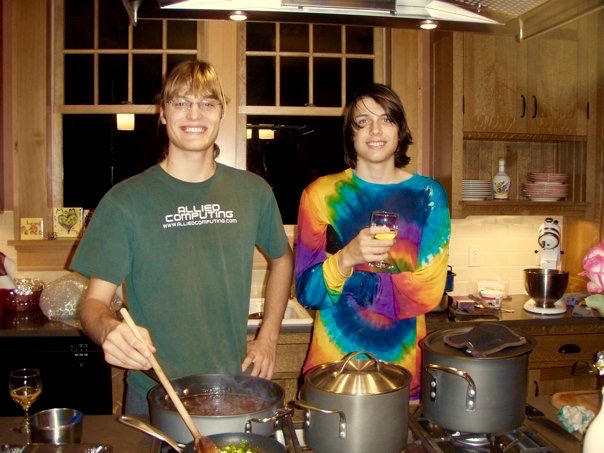
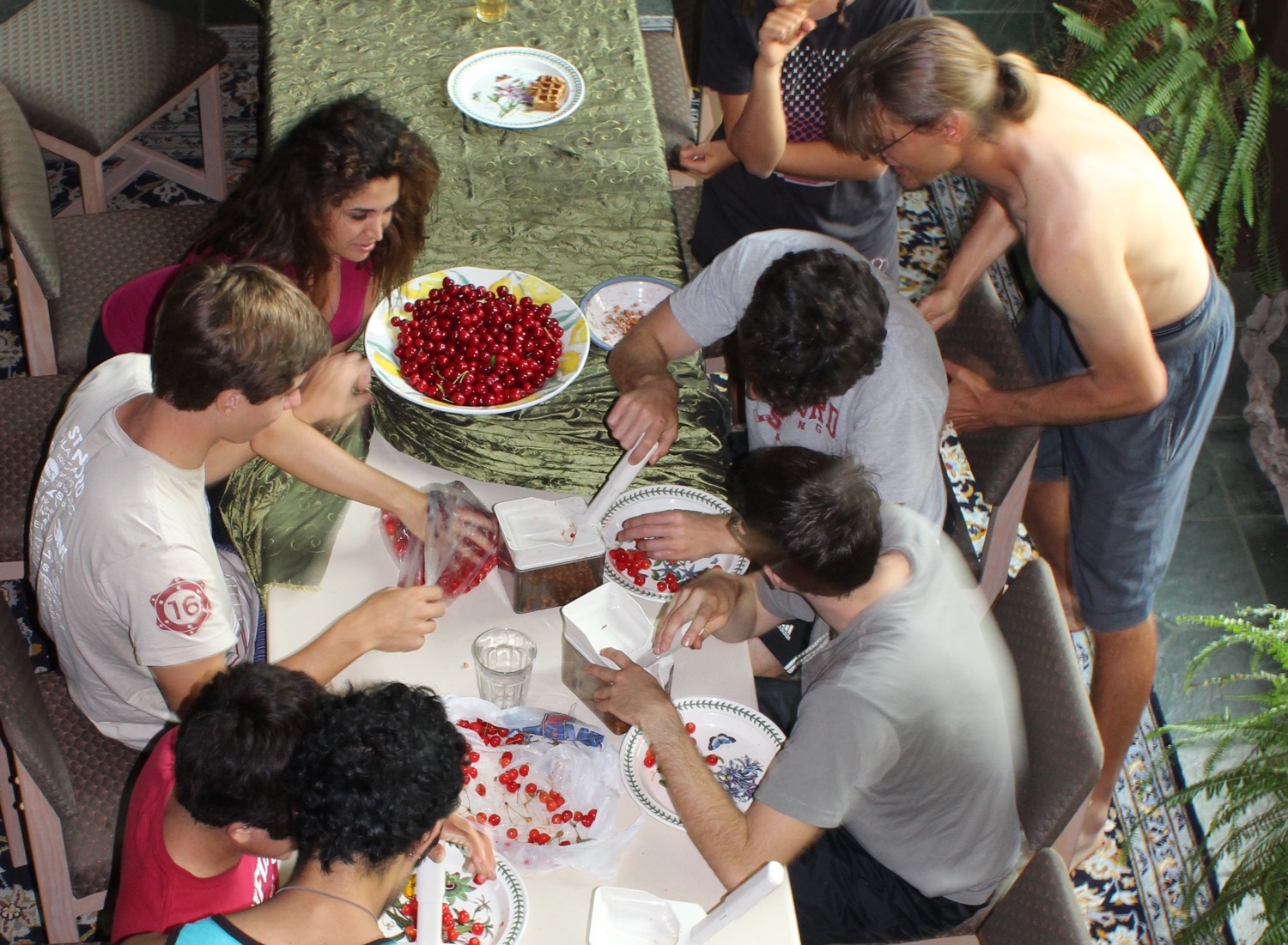
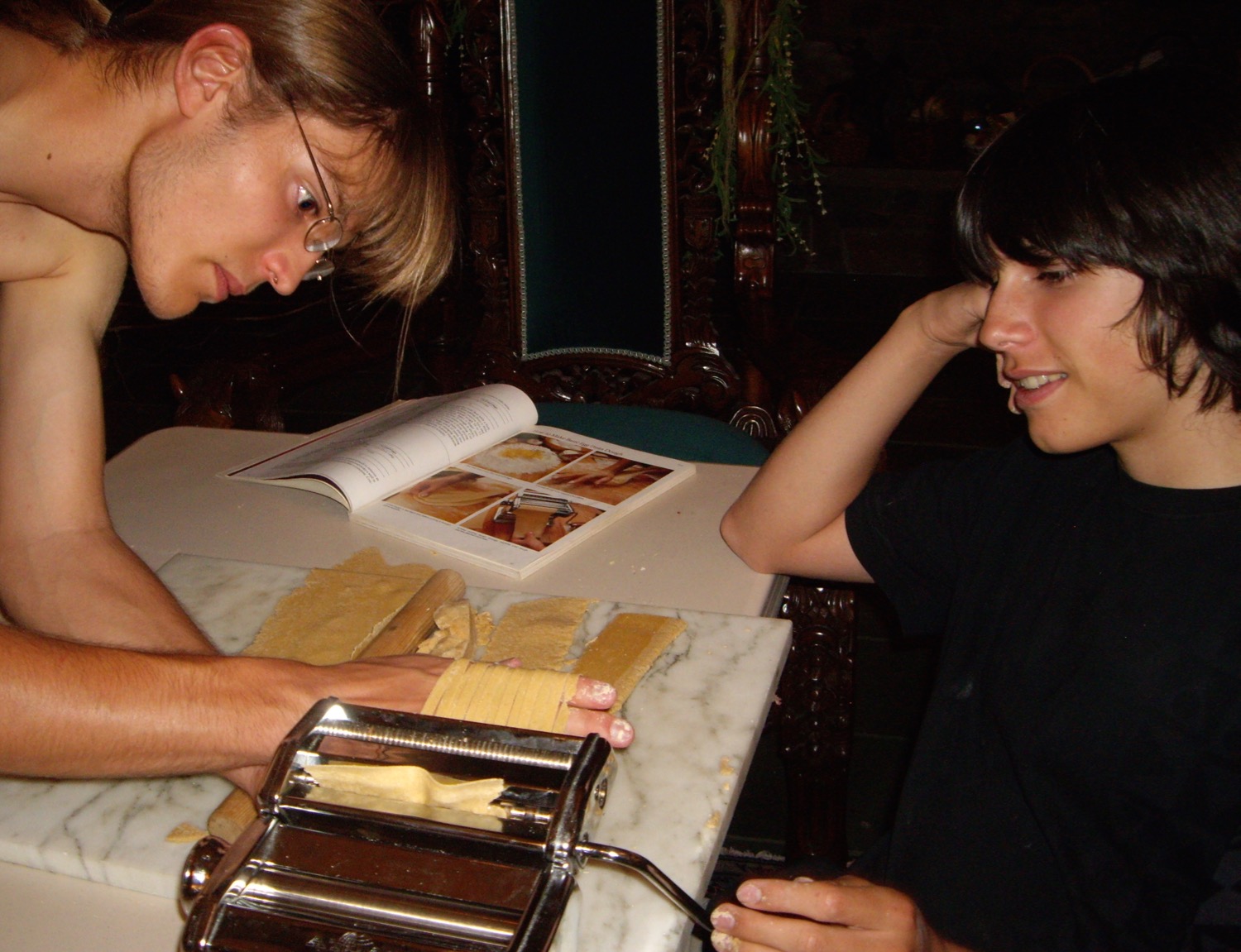
I reflect back on having kids, now that all mine are grown and I have become a grandmother. One of the most gratifying family times for me has been cooking with my kids and their friends. I think I stumbled upon this as an awesome parenting strategy. It turns out that it gives you time to talk. Because it also keeps you occupied, it helps to keeps the tone light.

Cooking a meal teaches everyone tolerance, though slowly. It promotes cooperation, planning, safety skills... the list goes on. It settles people's energy back on the home life and shows how much fun you can have together. I cannot recommend it enough. 

Start early and be relaxed about messes. Having said that, don't be afraid to teach kids to tidy up before beginning to cook; The French call it  "Mise en Place", or to put in place. Likewise, don't be afraid to teach them enthusiasm in cleaning up. And in this matter, lead by example. And to help yourself, have a great collection of cookbooks or Pinterest Pins at the ready for inspiration. 


For a great guide on age appropriate cooking activities, click HERE. This is from Rutger's, entitled "Cooking Brings Kids and Families Together".

Cornell Cooperative Extension has a great article HERE, titled "Cooking Together as a Family has Multiple Rewards". 

And from WebMD, "Cooking With Your Children" HERE


Here are some books on the subject: 

"Cooking Time Is Family Time: Cooking Together, Eating Together, and Spending Time Together", by Lynn Fredericks 

"The Table Comes First, Family, France and the Meaning of Food", by Adam Gopnik


And here are some fun blog posts on the subject: 

The Kitchn

Playground Dad

Toca Boca

It's fun to start in the kitchen with small children. But the good news is, it's even more fun when your kids have grown.

Bon Appetite!

Wellness Wednesday: Workplace Bullying

All the data I could find indicates that the vast majority of people, have at one time or another, experienced workplace bullying. As I have become a more careful observer of the years, I have learned to ask my patients questions about their work environment. 

What are the tip offs? When I notice increasing blood pressure, more frequent illnesses, less self confidence, more digestive problems, and hear about increasing stress, depression, anxiety and work problems, I suspect workplace bullying. 

When I ask about work, and get into the particular details, I often hear about a situation which would qualify as workplace bullying. But the surprise is this: Much of the time, the patient doesn't even realize that bullying is what is going on. 

What is bullying ? 

Workplace bullying is a systematic pattern of behavior that harms, intimidates, shames, undermines, offends, degrades or humiliates an employee, possibly in front of other employees, clients or customers. It is an abuse of power and a form of emotional abuse. It is a threat to health, livelihood and relationships. 

Once a patient realizes what it is, and a name has been put to it, she can begin to take steps to deal with it. But bullying is a complex human behavior and it is challenging to counteract. It is best to get outside help to deal with it. Most of the time it involves not only the one bully, but an overall workplace environment that is permissive of it. This is because it is difficult for bystanders to call out the bully, lest they become a target themselves. It is also difficult since bullies are generally highly ranking in organizations. Targets often fear for their jobs. Employers, when informed, are in a hard place, since they have not usually witnessed the behavior and moreover, they have an interest in keeping their more highly ranked employees. 

Nonetheless, bullying takes a toll on people and organizations. While bullies are more highly ranked, targets are often up and coming, and they pose a threat or perceived threat to the bully. Targets are often very productive likable workers. Organizations with bullies often start losing their best people. 

As a physician it is very important to me that my patients know about workplace bullying. I would like all of them to be in supportive home and work environments. Failing that, I would like them to have the tools to speak up against this form of abuse, whether it is done to them or to their co-workers. 

The references in this blog post are especially informative. Please take a few minutes to have a look at the resources on this very important topic. 

Stop Workplace Bullying 

Workplace Bullying 

What Workplace Bullying Looks Like in 2014--And How To Intervene

Workplace Bullying Institute

Medial Monday: A joke of a research study

I think we can all agree that the following three things are good : 1. Chocolate 2. Humor, and 3. Getting the bad guys in a sting operation. This story I am going to feature for you today has all three. 

Science Journalist John Bohannon and his well educated friends created a bogus study on the health benefits of chocolate. To do so, he created a bogus health institute, and a bogus study wherein he enrolled 18 unsuspecting individuals. They followed through with the study protocol and a statistician ran the results. Lo and behold, those in the chocolate group lost weight faster. He then goes on to explain how this is obviously a falsely significant result, otherwise known as a " false positive". A study designed this way is bound to have numerous false positives. This is related to the very low number of people in the study and the high number of effects tested for. Any person educated in the basics of research could see this. 

He and his colleagues "wrote up" their paper on their "research", generated a catchy press release, then began submitting the paper to a variety of journals for publication. He included journals of borderline credibility, and those which are "pay to play" meaning you have to PAY THEM to get your article published! (I didn't even know these existed!) He had alarming rate of acceptance of this ludicrously flawed paper. Once it was published and picked up by all kinds of news services and magazines, he fessed up to the prank. I am sorry to say it was picked up by the likes of Huffington Post, and Shape magazine. Have a look at their glossy reporting of the bogus story in his article linked below. 

All this goes to illustrate what I have cautioned readers about all along: The need to critically evaluate what you read on the internet and elsewhere on the subject of health and medicine. So much misinformation is out there. Much of it is done by groups who know better, but who are in it for the profit. 

And yet, at the same time, so many promising things are happening in medical research. Please take a few minutes to review our section on Information and Learning. It will give you some basic tools with which to safely navigate the internet. 

And then for some real entertainment and information, check out John Bohannon's article exposing himself HERE. His interview on NPR about his elaborate ruse is featured HERE. Finally, here is a fun and scientifically solid site about health reporting in the media: HEALTH NEWS REVIEW, where they look at the the good, the bad, and the ugly. 

Have fun and be careful about there. 


Structure Sunday: The Structure of Family

So much has changed in six weeks. Grandpa passed. His memorial brought a tide of family and friends together. And now our daughter  has delivered a baby girl named Emery Helena. 

Those tasks once reserved for adults have passed to those who still to my eye look like children. Our roles have changed and our titles have too. This morning I heard a call for grandpa, which sounded out of place, on account of his passing,  until I realized they were calling my husband. Mom, which was reserved for me, has passed to my daughter and I am becoming grandma. 

My exact title is still under discussion. I've been working a lot on labor and delivery lately, and the nurses are trying out different versions of grandma,  seeing which ones fit, and which ones will stick. 

I would like to think this is because I do not seem exactly like a grandma.   I think this is true for many women in my situation. Our culture has evolved in such a way as to allow women of my age to continue very active lifestyles. Many fifty something's are much healthier than their counterparts from decades past. The way we can live and the roles we can play at any given age are not nearly as limited as in the past. Perhaps we live less by convention or stereotype than in days gone by. 

That said, a grandmother is still a grandmother and she has a role to play. I and all the other members of my family, seem to have eased into our various new roles without much deliberation, just some common sense. However I would like to give my new role some thought in that I'd like to be a grandmother for the new age. I'd like to teach my granddaughter to code, and I'd  like to go to Zumba with her and my daughter. I'd like to keep what's good from grandmothers past while augmenting it for the present day. I'd like to be grandmother 2.0. 

Food Friday: My labor basket

The time has finally come for my daughter to have her labor induced. She is overdue and it is time. And, since gift giving is one of my "love languages" I was inspired to create a "labor basket" full of goodies. 

Now I know as well as any Obstetrician that one is restricted to clear liquids during induction of labor. This is because a patient under induction should, at any time, be prepared to go to C section. C sections are much safer when the mother has a virtually empty stomach, or only clear liquids on board. This is because pregnancy, labor, anesthesia, and C sections all make patients more likely to aspirate, which means to breathe in something they should have instead  swallowed. It is basically choking, and it can lead to pneumonia. The other reason is that clear liquids absorb quickly, and should the patient become nauseous, she will have an easier time getting rid of it. She will feel less badly. 

So my labor basket for my daughter contains the finest clear liquids I could find. First, I got our favorite: Perrier, in three flavors: plain, grapefruit and lime. Next I got a couple flavors of IZZEs, peach and blackberry, the ones which were truly clear and had no visible particles. To round things out, I picked up some of her favorite tea, Earl Grey decaf, and then, lest she be tired of all the sweetness, some seasoned organic chicken broth in little single serving containers. Finally I found some nice stainless insulated mugs. 

Then I considered the whole environment. We had covered taste, so I decided smell was also important. I chose some natural citrus body spray. Then I tucked in our favorite body cream called Booda Butter. No kidding it smells just like chocolate, but looks and feels like soft butter.

 Then, I covered sound. I know she has her Pandora on her phone, but I didn't think headphones would work. So I sprang for a little USB powered waterproof bluetooth speaker. And, being the veteran mom that I am, I enclosed a 12 foot USB extender cord for convenience. For sight, I put it all in a pretty green picnic bag and brought a blooming orchid along as we prefer living plants to cut flowers.  

I was tempted to overdo it since I had all kinds of other ideas. For example, you could include a cozy throw for mom, as long as its washable. You could tuck in some healthy chewing gum. The best idea I have seen was from the very cool older patient I had many years ago. She brought a bag of beautiful textiles and draped them all over her labor room, i.e.  over closet doors, etc. The room looked like a Casbah. And last week I had a lovely patient who used an aromatherapy atomizer with essential oils in her labor room. 

Your gift may not fit in a basket. You may be asked to help in the labor room, but only if she asks. Perhaps she will need help with her other children or pets while she is in the hospital. You may also be needed afterwards, helping with chores. Baskets are great, but perhaps the best gift of all is to be present.


Wellness Wednesday: Quantify Yourself

I have always said that knowledge is power. This is especially true in this digital age since we have access to so much searchable knowledge. I have also always said that one of our primary goals in our medical practice is to empower women to take charge of their own health.  It is therefore natural that I am very interested in helping women to empower themselves through the use of technology.

It turns out that one of the most powerful things we can do to take control of and change our own behaviors is to observe, record and track them. This habit is called quantification. People who do this regularly as a part of their self improvement are participating in the "quantified self’ movement. Livescience.com defines the quantified self movement as a “movement which aims to measure all aspects of our daily lives with the help with technology.” 

Quantifying ones habits such as hours of sleep, minutes of exercise, or calories eaten, does not necessarily need to be done with a high tech device. It can be done with paper and pencil. However, since smart phones are nearly ubiquitous, these records are most often kept on these small powerful personal devices.  Of course there is a proliferation of different apps for this, one for every topic and several for many parameters. Not only is there a proliferation of different software apps to help with quantification, there is a proliferation of different hardware such the Apple watch and the FitBit. 

If the patient and I decide to follow some detail of her health such as her blood sugar, we begin some sort of record keeping. The patient makes the measurements, records them and naturally evaluates them herself as she goes through the week. This alone often results in substantial improvement in her numbers, since she can begin to discern patterns and the reasons behind them. Taking measures to push the data toward better performance is gratifying day by day. It becomes like a game that the patient is determined to win. This is called ”gamification" and it too, it is powerful in behavior change.

When the patient comes in to review her data, she can get even more benefit when we analyze her data together. If we add another layer such as her diet, and superimpose it graphically on the blood sugars in her records, we can see a cause and effect relationship between what she eats and her blood sugars over time. Sometimes a third layer of data such as activity can be added into her records and we can use this variable to improve her blood sugar control even more. 

This kind of record keeping puts the facts and the control in the hands of the patient. It is much more effective than a doctor simply telling her to eat better and exercise more. It has been my consistent observation that all sorts of patients have success with this type of approach. Moreover, in reading about this "quantified self movement" it seems apparent that this technique can be used for many types of conditions, like weight, exercise, autoimmune activity, sleep problems and even mood disorders. It can also be used for broader issues of life performance, in relationships and on the job. 

I hope this introduction into the quantified self movement has inspired you to learn more. Here are some fun references which makes for very interesting reading.

The Quantified Self, a TED talk by Gary Wolf

The Quantified Self at Livescience.com

The Beginners Guide to Quantified Self, at Technori

Why You Should be tracking Your Habits ( and how to do it well) at Lifehacker.com

The Quantified Self: How Cold Hard Data Improves Lives, at Bloomberg.com

The Data Driven Life, at the New York Times 

How Self-Tracking Apps Exclude Women, at The Atlantic

Medical Monday: Skin Deep

What does it take to be beautiful ? I mean physical beauty. It it feels so awkward to even ask this since, in general, beauty is mostly a matter of the heart.

 You might be surprised to hear about my idea of physical beauty. Basically, to me, physical beauty equates with health. Every face, every age, every body type, hair type or skin color is beautiful when it is healthy. 

Skin is especially telling. It is the first thing we see. The skin of the face is vulnerable and worthy of our protection. It is sun season again, and I would love to see everyone take pride in and care of their skin. 


What are the main steps to beautiful skin ? 

  • Optimize your fitness, nutrition and hydration. 
  • Cleanse and moisturize twice per day. 
  • Exfoliate once per week.
  • Sun (UV) protect ardently. 
  • Never tan. Never. 
  • Be assured sunscreen is safe.
  • Chose a broad spectrum sunscreen with SPF 30 or greater. 
  • Chose a water resistant brand. 
  • Apply 15 minutes before going out so it will soak in. 
  • Reapply every 2 hours. 
  • Consider a hat or SPF clothing. 
  • Get a partner to "watch your back" for any suspicious moles. 
  • See your dermalogist for any concerns. 
  • Enjoy summer. 
  • Be beautiful. 

Structure Sunday: The Structure of a Family Road Trip

Family road trips are traditionally fraught with stress. But yours doesn't have to be. The road trip season is upon us and you will want to prepare.

irst of all let the kids in on the plan. Get them involved in the preparations. It won't hurt them a bit to learn the organizational skills necessary for a small vacation. In fact you can delegate age appropriate chores to kids from 5 To 95 and that will make everyone all the more engaged. 

  • Pick a destination. 
  • Pick a route. 
  • Research attractions along the route and at the destination. 
  • Make sure everyone gets some say on the activities.
  • Go over the fine art of packing light and packing layers. 
  • Make sure everyone has a duffle and a backpack of their own.
  • Choose some activities for traveling. Choose a mix of electronic and paper content. 
  • Choose a mixture of packed food and culinary stops along the way. 
  • Always plan for minor illness and inclement weather. 
  • Plan your stops if there is any question of availability of lodging. 
  • Encourage each traveller to document the trip in their own way, i.e. Diary, sketchbook, iPhone, camera, etc. 
  • Confirm you have necessary charging and connectivity cords, batteries, etc. 
  • As the trip leader, personally confirm the travel arrangements from the condition of your car to the AAA membership.  
image.jpg

What could go wrong? : ) We ourselves are on the road heading down to Missoula for the Lindsey Stirling concert. It is turning into a bit of a culinary tour since when I left home, I stopped by the natural food store and got a bag of healthy car foods and drinks. Then going past the lake, grandma offered us waffles with berries. In Ronan we stopped by a little red and white taco place and I just knew the tacos would be crispy and hot. They were. Our intentions were then set on a bakery further down the road whose reputation had preceded it. Alas it was closed, but it made a good picture. (See photo.)


Travelling is an important family activity when learning takes place and memories are made. Takes these steps to make sure that both are good. 


Food Friday: The Joy Lunch Club

Who doesn't look forward to lunch during a busy day tending kids at home or a hard day at work? I look forward to lunch. However, when I interview patients about their eating habits, I find all too often that patients skip meals, especially breakfast and lunch. 

I understand. We're busy. Sometimes we're not even hungry. We think skipping meals will help us lose weight. But as I have mentioned before, skipping meals actually causes us to lose muscle and slow down our metabolism and our thinking, making us feel sluggish and perform poorly. If we skip breakfast we are even less hungry than we would be had we jumpstarted our metabolism with a good breakfast. 


So, I have decided to promote the idea of a homemade workday lunch by issuing a challenge called the Joy Lunch Club. I will give the readers of this blog two weeks to submit a picture of their awesome lunch on a typical busy day. The best workday lunch photo at the end of two weeks will receive a custom "yoga girl" lunch box complete with containers and ice. To qualify, the lunch must be healthy, contain protein and produce like fruit or vegetables, be homemade, and if  brought to work, be in suitable containers. Photos may contain the lunch itself or you with the lunch. They should be posted to my office Facebook page linked to this website. Finally, to be eligible for the prize, you have to be subscribed to the site. (Please see the "Subscribe and Comment" section in the menu.)  At the end of the two weeks I will announce the winning photo, who's owner will then need to Facebook message me for the prize. Unfortunately I need to limit this offer to the US and Canada.

Others can order this unique lunch box through our Zazzle Store found HERE. Have fun, enjoy your lunch and good luck! 

Medical Monday: You asked for it… Endometriosis

Women are curious about endometriosis because it is a curiosity. The causes of endometriosis are not precisely understood but we have a good working knowledge.

We do know that it involves endometrial tissue being extruded out of fallopian tubes and into the pelvis. There, in a subset of women, the tissue implants and becomes active. Then, in a subset of these patients, this tissue secretes inflammatory mediators. Finally, some of these women develop autoantibodies. Pain and infertility can result from all of the inflammation and the damage that it causes. Cysts full of liquid can form; scarring can block tubes and distort anatomy. 

Treatments are of two types: medical and surgical. Medical therapy makes good sense because we know that endometriosis is hormonally responsive. Conservative surgical therapy is helpful to drain cysts, cauterize lesions, and release adhesions such as the ones in the photo. Definitive surgical therapy includes removal of the tubes, uterus and ovaries. 

Recently I was asked to review a blog post posted on my Facebook page. (See blog post HERE)  It was by a naturopathic doctor who was proposing a different approach to endometriosis. She was postulating endometriosis as an autoimmune disease. Apparently she had read a speculative literature review article, (Reference HERE) which noted an increased prevalence of inflammatory mediators and auto antibodies in those with endometriosis. Despite anything like a high level of evidence, (See levels of evidence HERE) she drew a causal relationship between these findings in the occurrence of endometriosis.

I think the authors of the study would consider these findings noteworthy associations, but would not feel entitled to draw any further conclusions such as causality.  I myself would say her blog post thesis is a case of confusing eggs with chickens. In other words, endometriosis probably causes inflammatory mediators to arise and fosters the development of autoantibodies, not the other way around as she proposes. Some people are more immunologically reactive than others, and those that are will likely develop more autoimmunity of whatever type. 

It is important to note that the author of the blog post draws a conclusion from this paper from which no conclusion can legitimately be drawn. She goes on to propose therapy, including modifications in diet, i.e. going off dairy and gluten. She then suggests her book which further discusses endometriosis and the "natural immune-modulating treatments" which she offers. 

I see two main differences between legitimate medical websites and others. First, legitimate medical websites are evidence based. This  means that not only must they cite medical research, but that they must cite it correctly, and not draw unfounded or speculative premature conclusions for associations which may be suggested. Secondly, legitimate medical websites are realistic. Others are boundlessly optimistic, offering readers and customers results that invariably surpass conventional treatments. 

I say, follow the money. Also, if it seems too good to be true, then it probably is. Finally, the proof is in the pudding. 

Click HERE for your internet learning toolbox. 

To learn more about endometriosis, check out our straightforward page on this common disease HERE. 

Structure Sunday: The Structure of Time

For life to be good, we need a rhythm in the day, the week, the month, the season and the year. These circles within circles allow us to feel accomplishment, and to look forward to celebration. These finite periods allow what is overwhelming to become manageable. Structuring time helps us take the one lifetime that is ours, and fill it mindfully. 

I need to feel I am making progress on my long term goals every year. I use the annual holidays like Thanksgiving and New Years for self assessment. I can look back at the same time one year back and see the changes. 

The seasons hold a different joy. Each time I am sad to see the leaves fall, I am, shortly thereafter, shocked by the beauty of frost and snow. I am reminded that all seasons hold beautiful surprises, and that I am foolish to imagine that nothing exciting is around the corner. 

My business cycle is the month. This is how bills are paid, and accounts are balanced. Accountability is examined month by month. Actual money is one representation of work and effort, and as such it is a useful tool to use in gauging how we are meeting our responsibilities. 

My work cycle is the week. I want a chance to get stuff done, and I want to be creative in that work. I try to pace myself all week long, with a lighter day midweek, then forge on to the weekend, when I would hope to be creative. 

My personal cycle is the day. I believe we all thrive with a good day's work. However, in my opinion, this includes some important health and productivity features. Consider the basics:  sleep , nutrition and exercise. Most people need at least 7 hours of sleep. With this, you will have more concentration, stamina and productivity. You might even have a better mood. Life is just more fun and you will be more successful with a modicum of sleep. 

Food is so important! It is your fuel. You should frontload your day with a healthy breakfast of protein, fruits, vegetables, and whole grains. That will turn on your metabolism and your brain. Later in the day, food can give you several healthful recharges: your midmorning snack, your lunch, and your afternoon snack. This way you will not tank your metabolism, feel sluggish, or hardly be able to think. Eating three meals and three snacks per day is a foundational principle of nutrition, and will help you feel better and perform better. 

Somewhere in the course of the day you must carve out at least a half an hour for exercise. It is best to schedule this formally, just like a meeting or an appointment, and to take it just as seriously. The magic of routines will reward you if you persevere. The more you do it, the easier it will be. 

 Everyone from a teen mom to the CEO of a large corporation needs a schedule. To achieve mastery over your time, you must invest in either a paper or electronic system. Smartphones generally come with everything you need in this regard, but the old school day runners can do just as well. But these alone won't do the trick. You must develop a routine of sitting down with the schedule to look it over and fill it in mindfully. I recommend looking at your schedule every Sunday to assess the coming week, and also looking every evening to prep for the next day. Make your schedule check a routine. The habit will stick better if you do it at the same time and place every day. 

Routine lowers stress. Breaking up goals and plotting them over time encourages success. These are among some of the most important things I want for my patients. The particulars I teach them about disease conditions and health maintenance will not help them unless they can follow through on the recommended treatment or prevention steps. Fostering patient success will continue to be a big thrust of this blog and the website in general. 

For more information, please see the hyperlinks in the text. Have a great week ! 

Food Friday: Manage your weight the counterintuitive way !

It seems to make sense that to lose weight we should eat less. On the other hand we all know certain people who seem to eat all day long and are quite slim. Indeed, the French who are known for their small figures, have food as a centerpiece of their culture, a lot of it, and all day long, well into the night. 

How is it possible? It's all about metabolism. It's not about the calories you eat in one sitting, and it's not about the calories you burn in one exercise session. It is about the rate at which you feed calories into your system and your body's ability to utilize them as they come in. 


To have good energy all day, you must have a moderate steady input of calories all day long. If you have a span of time without enough fuel, you body will turn down your metabolic rate and you will feel fatigued and be sluggish. If we eat episodically, then binge, we create a slow metabolism, then overwhelm it with an excess. Such an excess is stored as fat, even though then total number of calories eaten in that day might have been low. This strategy leads to feeling sluggish, losing muscle, and gaining fat all in the course of one day. 

Anyone would rather feel energetic and improve their body composition, but few know how.  Surprisingly, you have to eat more of the right kinds of food, and eat them more often. This produces a steady release of calories. To accomplish a steady release of calories into your system, you need to choose foods which singly, or in combination, release slowly. Unprocessed natural foods tend to release slowly, whereas process foods release quickly. If you combine high quality carbohydrate containing foods like fruits and vegetables with healthy fats or proteins, then you will have energy even longer. 

The rate at which a food digests and release energy in the form of glucose is called the glycemic index. Slow release foods have a low glycemic index, and that is what we should be choosing. If we choose high glycemic foods like sweets or breads, we stimulate a spike in our insulin levels, which leads to cravings. Thus, the less we eat of high glycemic foods, the less we want them. 

Do you want to leverage the system even more? Build up some muscle through a mixture of cardio and resistance. Muscle is lean body mass and has a much higher metabolism than body fat. Either cardio or resistance will increase your metabolism all day long, far beyond your exercise session, but together, they synergize. 

If you are willing to eat three moderate meals and three small snacks composed of some protein, fruits, vegetables, healthy fats and low glycemic grains, you will have more energy and you will drift toward your ideal weight. If you are willing to do a half an hour of cardio and light resistance every day though a gym or a DVD available at any big box store, you will make progress even faster. 

To learn more, see this following section in our website. 

Nutrition 

Bon appetite!