Wellness Wednesday: Common Illnesses in Pregnancy

I was inspired to write this post in light of the significant spring cold season we are now finishing. It is common knowledge on the medical hill that this spring's common cold was a bad one.  For most people, the cough lasted several weeks, even though the illness itself was over. It was not pertussis, it was not flu. It was just a garden variety virus that hit hard. 


So I am going to take a moment and talk about prevention. Prevention takes three forms: 

1. Vaccinate for what you can: Pertussis, and Influenza

2. Hand washing and avoiding the sick. 

3. Keeping up on self care with exercise, sleep and nutrition. 

They really are immensely effective. 

Outside of pregnancy, when we get a cold or stomach flu, we doctor it ourselves. But in pregnancy it is different. In pregnancy, it is a good idea to touch base with your doctor about your symptoms if they are anything more than slight. She can give you a few guidelines and recommendations, even if no antibiotics are prescribed. On that note, just as a reminder, most of these common infections are viral, and as such, do not respond to antibiotics. That said, some viral infections can be followed by a bacterial infection. This may be the case if one gets better, and then worse again. Additionally, some viral upper respiratory infections can set off asthma and we can help with this too. 

I set up a page for common illnesses in pregnancy HERE and I couldn't help but notice that in all cases, treatment included, lots of liquids, like tea, soup, and water. Self care included tylenol, since ibuprofen is not recommended in pregnancy, rest and lots of baths and steamy showers.

Perhaps we shouldn't wait for an illness to take good care of ourselves. 

Medical Monday: Gardasil Gets an Upgrade

Most of you are familiar with Human Papilloma Virus, aka HPV. This is the very prevalent virus which causes precancer and cancer of the human anogenital area. When I first started training in gynecology, fighting HPV seems like such an uphill battle, since it spreads so easily and is so prevalent. And then came the idea of a vaccine. It seemed too good to be true. 

Gardasil was developed and released. I am proud to say one of my friends was involved. It protects against two strains of HPV known to cause cancer, and two which cause condyloma or warts. Physicians all over the world rejoiced, but adoption rates weren't what we had hoped. 

Gardasil was initially studied in girls and women since the disease caused in women is more common and more severe. And so it was initially approved only for women. I got all my children vaccinated, and even the boys before it was approved for boys. One of my sons did some research after he got his shot, and approached me later, asking, " Mom isn't this just for girls ? " I reassured him that nothing bad would happen. It works just as well in boys and men, who distribute the virus, usually without having any disease themselves.  It eventually was approved for boys. 

Now Gardasil has been expanded to cover NINE viruses ! It is worth noting who is eligible to receive it: 

Boys ages 9-15.

Girls and women ages 9-26. 

 I expect that the age differential in eligibility between boys and girls is simple a case of what groups have had validating studies done, and I anticipate that the boys group will be expanded to the same age group as girls eventually. 

Chilling statistics anyone? 

" In 2013, coverage of at least one dose of HPV vaccine was 57.3% among adolescent girls and 34.6% among adolescent boys2According to the CDC, for every year that coverage does not increase, an additional 4,400 women will develop cervical cancer3. Furthermore, if health care providers increase HPV vaccination coverage to 80%, it is estimated that an additional 53,000 cases of cervical cancer could be prevented during the lifetime of those younger than 12 years." 

reference: ACOG Clinical Practice: The 9-Valent HPV Vaccine 

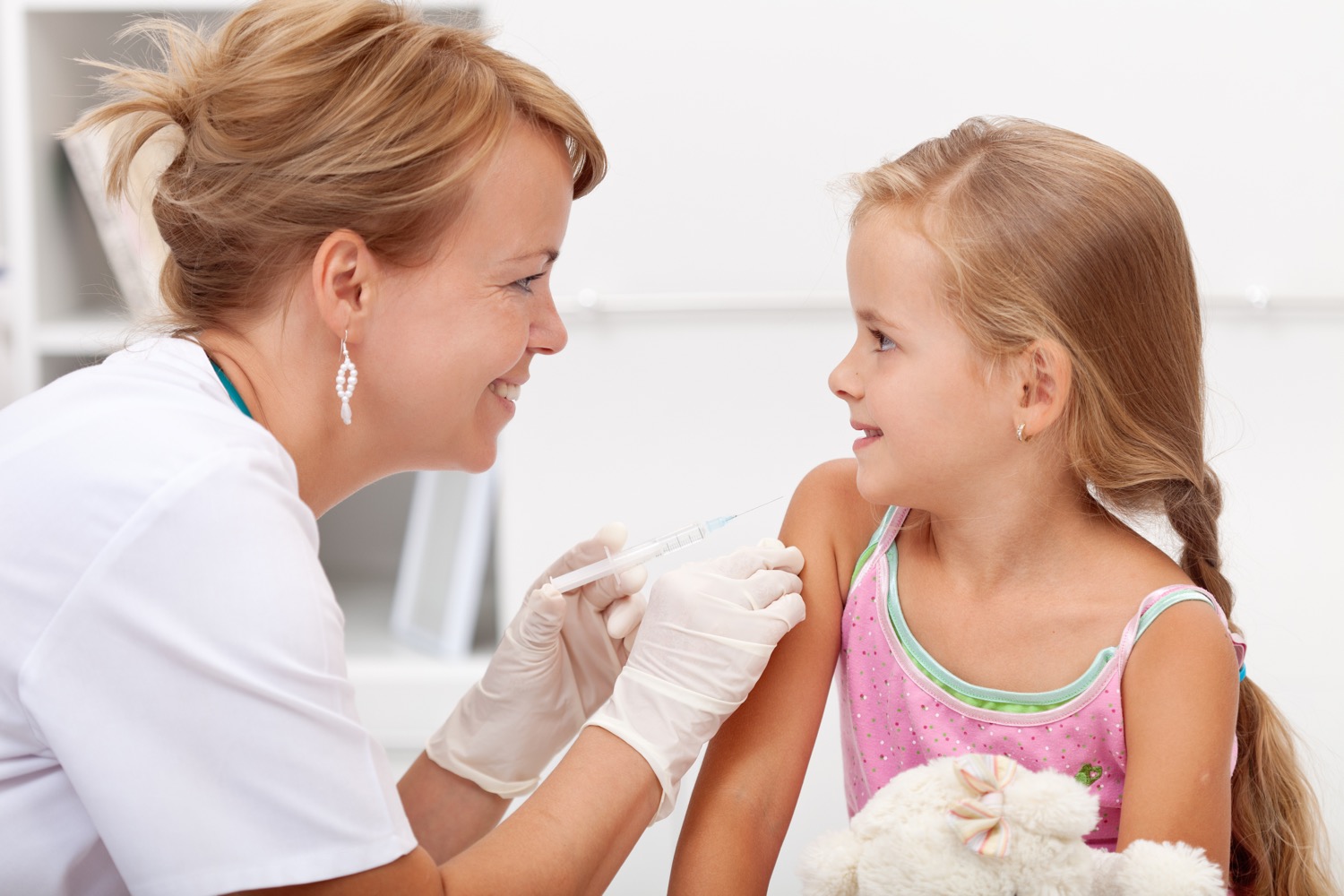
Gardasil has had a very good side effect profile, with just some arm soreness at the site. We believe its benefits far outweigh the risks. 

To learn more about HPV, please see Pap Smears, HPV and Cervical Health

Structure Sunday: The Structure of Mothers

In my practice, we do gynecology, surgery, prenatal care and deliver babies.  However, sometimes I think we are helping to make mothers. Usually we spend 30 weeks with a woman and then go through some very intense and uplifting experiences with her. Along the way, we learn all about their background. We help them face challenges that arise. We try to address whatever needs addressing from eating habits to referrals for domestic violence. We try to uplift, we try to empower. We try to help them become good mothers. 

At the beginning, I tend to notice the things I need to address, the problems.  But as the weeks pass, I notice the things that are unique and special about each patient. Somehow, the problems and the virtues are all wound together. These complex dynamic women most always do their best, learn a great deal, and are sent home with a newborn, who will respond to everything they are, and the new world they inhabit.

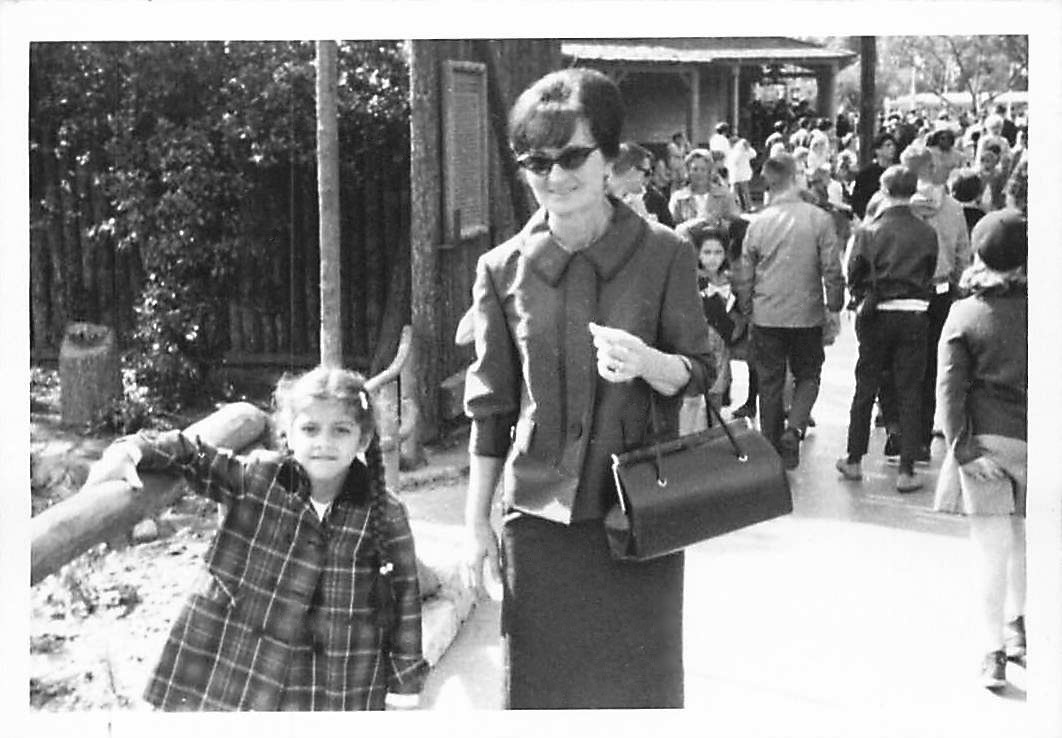
These worlds are seldom perfect. I think back to my mother, the last of 8 children, born in 1917 in Oklahoma to a poor coal miner's family. Her father, once a foreman, had saved his team of men after an explosion deep in the mine. He suffered severe burns and disfigurement. Thereafter, the family descended into poverty. When she was 14, she was married off to an alcoholic older man. I later learned she endured extensive abuse. 

When I was adopted, she was already 45 and remarried to my dad. She was not easy to be with. Even as a young teen, I knew she was not like my friends' mothers. It was only as a young doctor that I began to understand what she had gone through, and the effect it had on her. Without a doubt, she had PTSD. She was angry, insecure and sold herself short. I could go on. I was angry and disappointed at her for not trying harder in life. 

As my medical career developed, I saw more women like her. As my role as their doctor taught me compassion, I developed a compassion for her. But of course, this was near the time she passed in 1990. At the time I lived with her, dealing with her difficult behaviors made it hard to experience the good things about her. Of course there were good things. I can see them better now.

I can remember the joy she had shopping for nice clothes for me, something she never had when she was a girl. I can remember how she liked high heels and going out to dinner. She made excellent pie crust. She admired Jackie O. She loved the sound of black women singing. She loved Christmas, and carols, and gave lots of gifts. She told me my education would make it so I would never have to rely on any man. 

After she escaped her first husband and before she married my dad, she worked in a factory assembling bombers. She was a real Rosie the Riveter. After that, she became a bookkeeper at a firm in Los Angeles. She looked ten years younger than her age, even though she picked up smoking as a young women in order to look elegant and independent. She quit smoking cold turkey on post op day one after her quadruple bypass, but died of heart disease anyway eight short years later. 

I am looking back through time so you can too. I am also looking back so perhaps you will look at the present differently. Your mother may not be perfect. But it is still incumbent upon you to see the good with the bad, to see her as a whole person with understanding, compassion, and appreciation.

I also write to remind us that there is a good mother inside all of us. She just may need a little help coming out. 

Wellness Wednesday: Enthusiasm

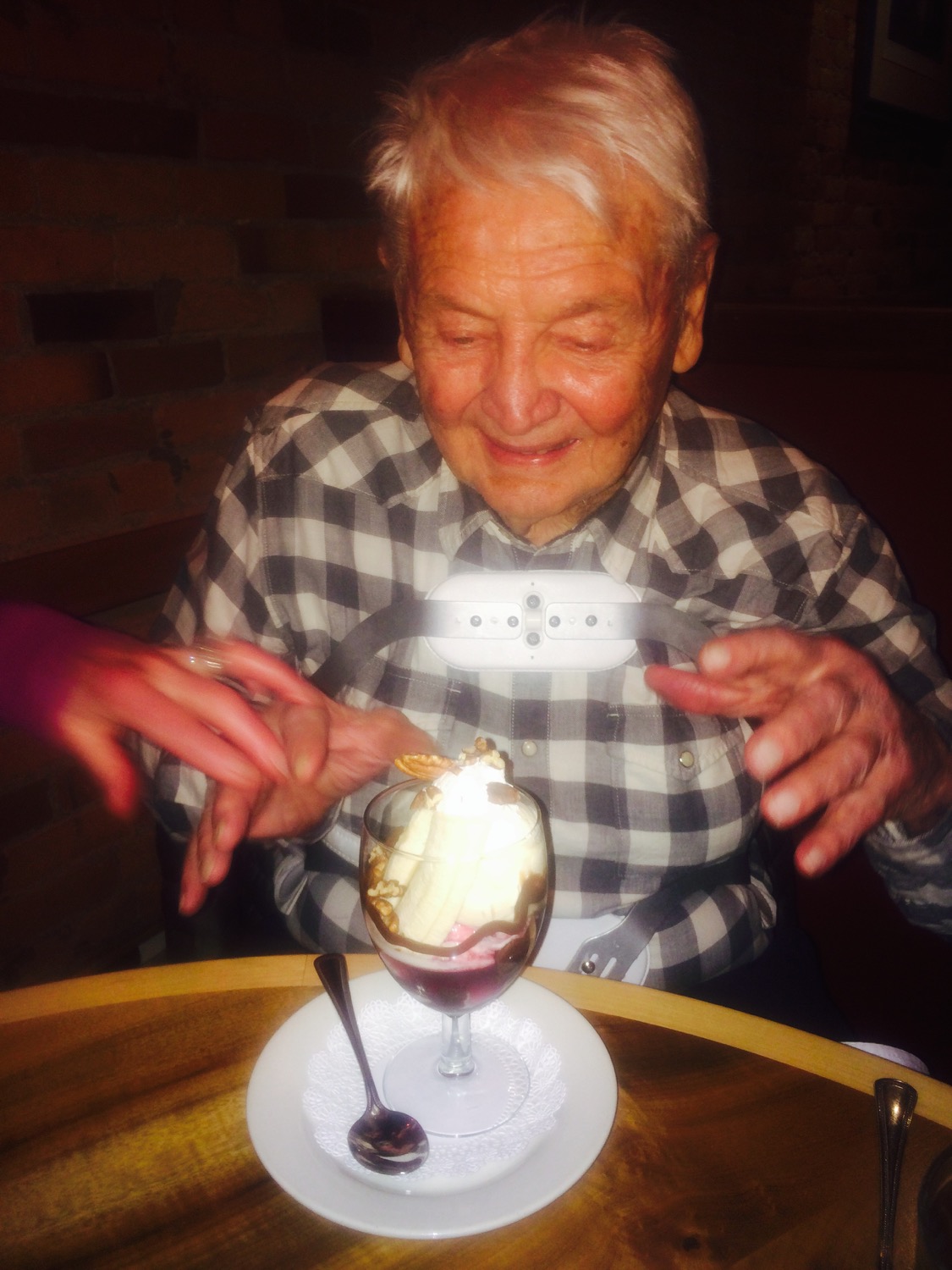
I like to think that that when someone close to us passes on, that we can pick from among their good traits to inherit. Recently, my father in law, Dr. Van Kirke Nelson passed on at the age of 83. He was an Ob/Gyn, but also a business person, philanthropist, and art collector.

I studied the stages of grief in medical school just like everyone else, but I'm not sure where I am in the official stages. However, I can say that I am in a stage of deliberate inheritance. I am remembering all of his wonderful traits:  diplomacy, devotion, optimism, energy for endless projects, cleverness at crafting the win-win solution, and above all enthusiasm.

There are several of these traits on which I have dibs. I am hoping to inherit quite a bit of his diplomacy. I have always been short there. Then there's the optimism. I am the cup half empty girl, and to some extent I own that.  I am always trying to figure out what could go wrong so I can keep it from happening. I guess that is written into my job description. So I would like more optimism. Not the blind unreasonable kind. Not the kind that says things are always going to work out fine. Instead, I'd like the kind that says we can almost always find a solution. And even though I'm pretty darn enthusiastic, I'd like some more of that. You can't have enough of that. Grandpa, as I called him, was a great inspiration to be enthusiastic, and that is not going to end. 

In that spirit of enthusiasm, I'd like to share with you some simpler sources of enthusiasm. I have started work on our links page. There is already enough inspiring material on there to keep you awake all night. But take a page from Grandpa's playbook: Read about cool things other people are doing.. and then do some of your own. 

Check out our inspiring links HERE


Medical Monday: Participatory Medicine

Are you an empowered patient? Do you participate in Medicine 2.0 and Health 2.0? Learn more about these terms and the interesting and beneficial changes that they describe.

Click HERE to learn more. 

P.S.  We would be very pleased if you would consider subscribing. I have placed a Subscribe and Comment page in the navigation menu for your convenience. When you subscribe, you will receive a White Paper (see definition HERE) entitled "How to Become an Empowered Patient " with our compliments. 

Structure Sunday: The Structure of a Website and ….YOU

Just last week Google lowered the boom and decreed that sites that are not mobile friendly will suffer in search rankings. At first I felt a little threatened, but after a little research, I have discovered that it is all about….YOU! Yes you. As they say in TRON, “I fight for the users.”. 

I love nothing better than to come into a patient’s room and see her on a smartphone. Do you realize any garden variety smart phone of the present day is literally powerful enough to have run the entire Apollo space program that landed a man on the moon? A smartphone is a very powerful computer and almost every girl and woman I know has one, even the ones of modest means. It is fantastic. Not only do I remember the Apollo missions, but I remember the days when women did not touch technology, not even stereo components. 

Technology is empowering. Information is empowering and the whole world of information is at your fingertips. Patients read about diagnoses, medications, and communicate with others who share their experience. So it is with great satisfaction as I watch my patients as they not only use technology, but make it. I have in my practice graphic designers, filmmakers, website designers, software engineers and IT administrators. I do believe it is technology combined with the goodwill of people, that will solve many of the world’s problems and inequities. As a force in neutralizing gender inequalities, technology is formidable. 

In blogging, and in making this website, I have wanted to provide easy access to what I would like my patients to know. My education has made me  familiar with the best sources of medical knowledge, i.e. institutions like the National Institute of Health (NIH), and the Center for Disease Control (CDC). It has enabled me to tell the legitimate from the bogus. So I feel obliged and enthusiastic to give you all key to all the doors that lead to the best paths to all this valuable information. I want to make it easy, and I want to make it fun. Additionally, I want to make it beautiful. Perhaps this last goal is a universal desire for website designers of all genders, but I think a beautiful website is more welcoming to women. 

And that user experience, in short, is what Google’s directives have been all about. I see from my website analytics that over 50% of you view the site on mobile devices. Had I looked to author my site looked on mobile? Not enough! The main page was cluttered, the font was too small, links were too small to push and you had to scroll way too much. All this gave me a very bad mobile rating on Google. Plus, page loading times were a bit long, and I admit, that is because of the higher definition photos that I chose to upload. This was all a very unpleasant but useful revelation. I felt bad but grateful for all of you devoted readers on mobile who slogged through all of that. 

I read a great deal in Google’s website design and mobile responsive design guidelines. At their heart, the recommendations are meant to enable you, the user, to see the site clearly, and to get the information you want as conveniently as possible. It is all about enhancing the user experience. I spent this weekend changing things around, using fewer main pages, and tucking more within them, so now you will do more clicking and less scrolling. And I promise, if you have a little wait for a photo, it will be a good one. More mobile friendly changes are coming next week. I fight for the users! Those of you who really want to get your geek on can learn the origin of the phrase in this clip from the movie TRON Legacy. 

Food Friday: Food for the postpartum mom

Food is a traditional gift. But, for the postpartum mom, it is best given with some forethought. 

Consider whether it would be best to do a fresh, ready to eat meal or maybe a freezer dinner for later. Make sure to find out about any allergies or food preferences before you prepare. If you do choose a freezer dinner, make sure she has enough room in the freezer. If you need recipes for make ahead meals, there is a wealth of them on food.com, epicurious.com, and of course Pinterest. For a deluxe gift, get together with a few of her friends and assign each person a meal for each day of the week for the first week she is home.  Friends did this for me once and it was so much fun. 

The breastfeeding mom needs between 300 and 500 calories or extra nutrition after the delivery of the baby. She especially needs high quality proteins, healthy fats and fluids. As far as food restrictions because of baby, there really are none. I have always taken the view that baby will to learn to like garlic, chili and chocolate just like I do! There really are no medical reasons to avoid strongly flavored foods when you are breastfeeding. 

Food gifts do not have to be meals. They can be baked goods or even a basket of healthy snacks or a case of healthy drinks like Pellegrino water. 

Gifts do not even have to be food! If you are fairly familiar with the new mom and her home, consider a gift of housekeeping, gardening, pet care or personal shopping on her behalf. You can draw up a cute certificate to present to her if you like, and she can cash it in when she prefers. 

Just remember that the new postpartum mom is bound to be tired. While your gift is almost certainly welcome, your postpartum friend might not be up to a great deal of socializing. So keep your visit short and sweet. 

If you are interested in information about breastfeeding and nutrition, please see the links below at on drginanelson.com. 

Breastfeeding 
Nutrition 

In other news, I am happy to report that all of the pages on drginanelson.com finished. Of course we are still polishing them, adding new handouts, and perhaps an occasional new graphic. Nonetheless, our collection of topics provide a cohesive overview of knowledge from Obstetrics, Gynecology and healthy lifestyle that is up to the minute in accuracy.

In the next week or so, I will be reorganizing the site a bit to make navigating this content simpler and easier, especially for mobile. In all cases, your input about content and ease of use would be most welcome. There is a feedback box you can access in the left menu bar from every page on the site. 

Stay tuned for more posts on Structure Sunday, Medical Monday, Wellness Wednesday, and Food Friday. 


Wellness Wednesday: The Postpartum Period

So much attention goes into preparing for labor and delivery. I'd like to take a minute and focus on the next important period: the postpartum period. With forethought, preparation and help, the postpartum period can be made enjoyable and smooth. 

First you needs to know what to expect in the postpartum period. Next, you needs to know how to prepare for it. Finally you need to know when to reach out about concerns and questions. 

Learn more HERE.  

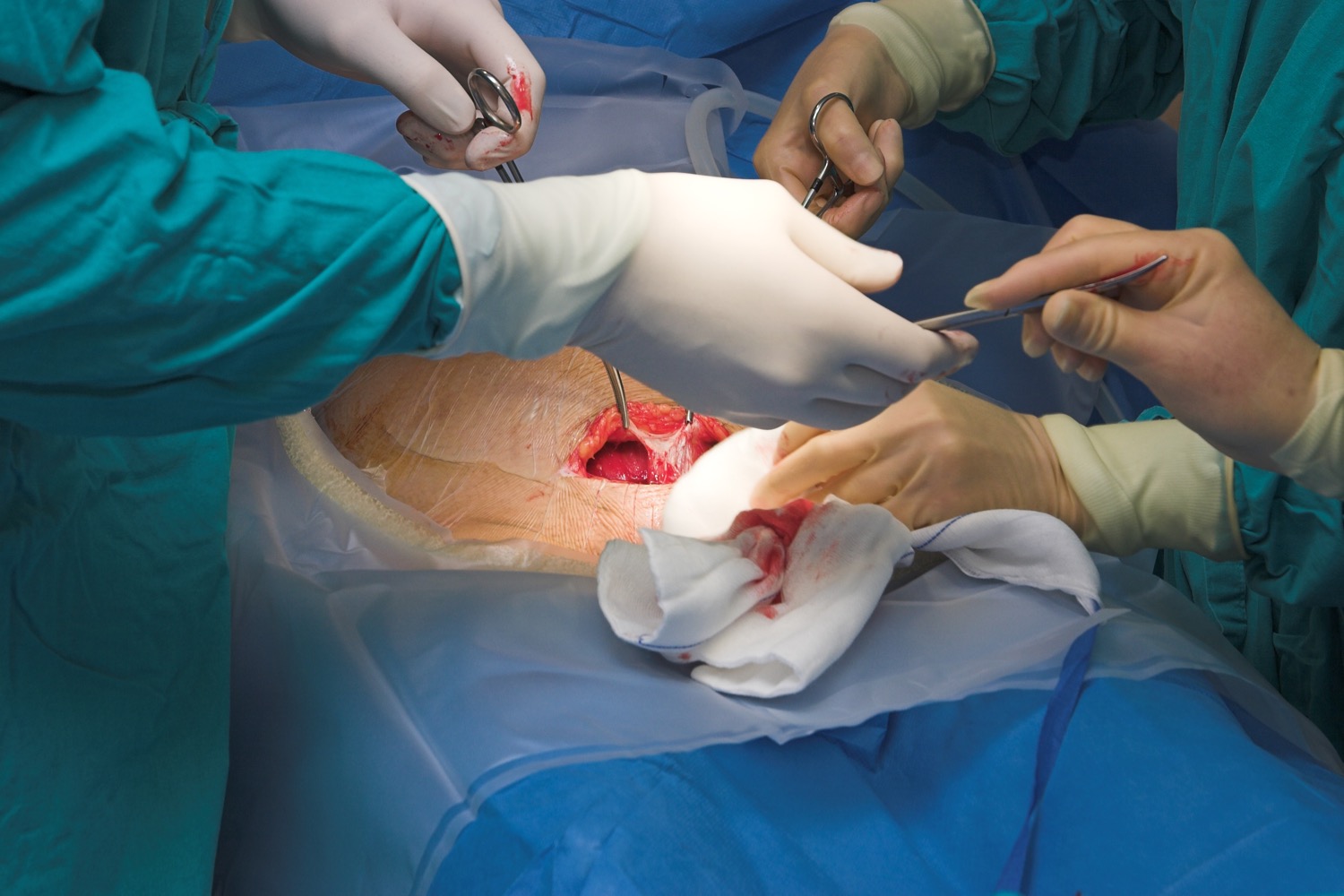
Medical Monday: C Section Delivery

Cesarean section birth (1).jpg

Do you know about VBAC, TOLAC and RCS? Obstetricians love acronyms. The website section about C sections has been updated and expanded to include a comprehensive section on VBAC (vaginal birth after C section), TOLAC (trial of labor after C section) and RCS (repeat C section). Go to the general C section page, then scroll down to the part on Repeat C sections and VBAC.  

Click HERE to learn more about this hot alphabet soup. 

Structure Sunday: Labor and Vaginal Delivery

Two thirds of American women will delivery vaginally. It varies, state by state from a high of about 40% to a low of about 23%. What accounts for this? Although the matter is complex, suffice it to say it is all about the labor. When we follow the course of a labor, we are following many things: cervical dilation in cm, effacement, and the descent of the baby into the pelvis. We are also tracking the contraction pattern as well as the fetal heart tracing and maternal vital signs. 

To learn more about Labor and delivery, Click HERE

Food Friday : Breastfeeding

There are all kinds of peculiar myths about breastfeeding. You may have heard that it is difficult and painful. You may feel too bashful to do it. But I would like to encourage everyone to give it strong, evidence based consideration, because I think it is one of the most gratifying aspects of having a young baby. It does take a little learning, and a little getting used to, but it is more than worth effort. Most first timers take about 7-10 days to get used to it and then they have it down. It is best for babies nutrition, immunity, brain development, teeth, etc etc. For mom, it helps with minimizing post partum blood loss. It hastens return to pre pregnancy weight. Finally, it is convenient and cost effective.

Click HERE for a introduction to what you will want to know. 

Wellness Wednesday: Induction of Labor

Induction of labor is a hot topic. Some patients are dead set on avoiding it and some are begging for it. Induction of labor simply means using medicinal or mechanical means to start labor before it has on its own.

Inductions may be elective (by choice) or medically indicated. They may be accomplished by a variety of medicines and techniques. Induction of labor is an important tool in the Obstetric tool box.

Get a balanced perspective on induction of labor HERE


Medical Monday: Preeclampsia and blood pressure issues in pregnancy

Blood Pressure. We all know it can be a concern. But what is it really? Why is it such a concern in and out of pregnancy ?

Our entire body is fed by a system of pipes from large to tiny, which is pressurized by the pumping of the heart. Plumbing is a good analogy until you realize these aren't ordinary pipes. Most of these pipes are capable of changing their diameter, and thus their pressure within, in response to fine chemical signals. And they are pipes, which like ordinary plumbing, can build up sediment and develop blockages. They can even weaken and leak. Blood pressure is the pressure of the blood flowing in these pipes. 

Fluid balance, hormone, and immunologic changes of pregnancy have great sway of the blood pressure of a pregnant woman. If she happens to have the type of body which has tense stiff vessels even outside of pregnancy, that is, if she has chronic underlying hypertension, so much the worse. She will be prone to conditions like preeclampsia, also called toxemia. 

Click HERE to learn more about this fascinating and important area of Obstetrics .

Structure Sunday : Abnormalities of Amniotic Fluid

Consider the standard prenatal visit. Sometimes I think it doesn't seem like we do much. We obtain weight and vital signs, dip urine, and measure the belly in a decidedly 19th century way, with a tape measure. But we learn more than you might imagine. We can get a sense of whether the baby's interval growth is tracking, and whether or not there is a lag or an acceleration. Any concerns raised at this simple low-tech appointment can lead to further more intensive, high tech studies, such as ultrasound. At ultrasound we can not only see the various measurements of the baby but we can also see features of the placenta albeit more subtly.  Finally, we can see the amniotic fluid. The amniotic fluid reveals a great deal about the pregnancy. Most of the time we check amniotic fluid, it is in the normal range. However, it is not uncommon to find abnormal levels of amniotic fluid, either high or low. High amniotic fluid is called polyhydramnios, whereas, low amniotic fluid is called oligohydramnios. Amniotic fluid is an early indicator of the well-being of the pregnancy and the baby. You might say it is our canary in the coal mine. Learn more HERE

Food Friday: Feeding the growing baby: growth restriction and growth acceleration

Whether a baby is large or small depends on two things : the innate qualities of the baby and the maternal enviroment in which he or she grows. The growth rate and specific size measurements of the baby tell us a great deal, which is why we are continuously tracking them by exam and by Ultrasound. Major deviations in any direction are a source for concern.

Click HERE to learn more. 

Wellness Wednesday: Knowledge is Power. Get some.

I recently finished and published the website's pages on Infections in Pregnancy. At the bottom of those pages, I have added that much again in a new section called "Other infections of Perinatal Significance". Now this may sound way too scientific and unrelated to daily life, but nothing could be further from the truth. These are the big time everyday infections we hear of each week: Pertussis (whooping cough), Bacterial Vaginosis, Toxoplasmosis, Influenza, Herpes, Chicken Pox, and more. Learn more about these common infections and how they pose special risks to pregnant women. Learn what you can do to protect yourself and those around you. 

And, also coming tomorrow, will be a special section on Preterm Labor. Learn the facts and figures as we know them, and how we handle Preterm Labor today. Hint: It is not how we handled it even 5 years ago. 

Back on Track Tuesday: Gestational Diabetes Mellitus

Thanks for all your well wishes. I am making a good recovery. 

We bring you back to your regularly scheduled programming (Old time radio announcer voice here) , "Gestational Diabetes".

My suspicion that we see more of this every year is substantiated. Gestational or pregnancy-related Diabetes (GDM) is on the rise. It seems to track right along with the obesity epidemic. However, it is a cloud with a very silver lining. In many cases, the women I see who receive a diagnosis of GDM see me as their primary doctor, and, like many others, come in regularly only when they are pregnant. As such, it is golden opportunity for effective lifestyle intervention. 

GDM patients receive a whole package of nutritional, fitness and lifestyle advice, treatment and monitoring which I think, in the final analysis, will add years to their lives. They learn about the pleasure and ease of good nutrition, about personal organization, and about optimizing health. They do this through learning to craft meal and snack plans with the diabetic educator and my office. They learn to structure their days to a very high degree as a result of having to have blood sugar checks, medication and meals and snacks at just the right time. They are also introduced to mild regular exercise or at least physical therapy, which they uniformly enjoy. They report weekly for monitoring and feedback. Most of the time they achieve great results and feel good about themselves. 

And here's the cherry on top: If patients keep up the nutrition and exercise after baby is born, their weight and body composition drift naturally toward the optimal. And that's worth its weight in gold. 

Learn more HERE on our page about Gestational Diabetes Mellitus. 


Medical Monday: being a patient

Yes folks that's my arm. There's nothing better for a doctor than to be a patient sometimes. Your regularly scheduled blog post is thus interrupted with this post about my small experience of being a little too sick. 

You may wonder how I came to be such a health nut. Well it's because I have lupus. I have to be extra careful and on top of things to stay healthy. The majority of the time I do very well, but once in a while a simple upper respiratory infection gets the better of me. I had to come in briefly for some extra medication and  I am feeling much better. I will probably not be in clinic for the next couple days. 

I was reminded of how vulnerable and wretched you feel when you are truly sick. I was reminded how much it means when people help you out. I had a good friend or two cover for me on labor and delivery, my husband who brought me in, and all the hot shots in the emergency room to tune me up. 

There are two messages as far as I can see. Number one, if you are not doing well reach out and get some help. Number two, if you see someone else not doing well check in with them. It means so much.

image.jpg

Structure Sunday: STI testing in Prenatal Labs

You've no doubt heard of or gotten a prenatal lab panel. The panel includes a number of tests for infections that might have an effect on mother or baby during the pregnancy. 

For most common infectious diseases, like the flu,  you know you have it almost right away. Others can be carried silently for years, and what we test includes them. If we know about them, we have a chance at treating them before they can cause harm to mom or baby. Learn more HERE