Wellness Wednesday: Exercise Statistics

Most people who come into my office for an annual exam report that they live an active lifestyle. Of course this means different things to everyone, but it is an interesting starting point of discussion. 

Our impressions of our exercise patterns are rarely accurate unless we take the time to chart them. I am going to devote this post to a reality check for us collectively. Number lovers are in for a treat. 

Children: 

  • Only 1 in 3 children is physically active every day. 
  • Only 6 of the 50 states require PE in each grade. 
  • The CDC recommends children be physically active for one hour each day. 
  • One third of high school students plays video games for more than 3 hours per day. 
  • In 2013 only 27 % of all high school students had 1 hour of physical activity in each of the preceding 7 days. Fully 15% of high school students reported NO physical activity in any of the prior 7 days. 
Cardio Burn Sculpt
$9.07
Starring Tanja Djelevic
Buy on Amazon

Adults: 

  • Less than 5 % of adults get 30 minutes of physical activity each day. 
  • Only 1 in 3 adults gets the recommended amount of physical activity in a week. 
  • The 4 states where adults have the highest incidence of exercising 3 or more times per week are: Vermont, Montana, Alaska and Hawaii. In these states about 60 % of adults meet this criteria. 

Appropriate physical exercise comprising both cardio and weight bearing exercise has numerous mental and physical benefits for children, adults, and seniors. Exercise these days has become more evidence based. We know more than ever about how to tailor it to a patient's specific health needs. Exercise certainly does not need to be onerous or miserable. Without exception, people who exercise regularly derive great satisfaction from it.

Check with your local health club or YWCA. Get some exercise DVDs for home use. Find my DVD recommendations in the RETAIL THERAPY section. Learn more in our section on FITNESS

Medical Monday: ACOG weekly news

This is the second in a series of reports on current events and research reports in Obstetrics and Gynecology. We hope you like the new format for Medical Mondays and invite you to comment. 

A recent study showed that about 50% of women gain more weight than they should in pregnancy. This has serious effects on the health of the newborn as well as the mother. Institute of Medicine guidelines indicate weight should be about 30 pounds if pre-pregnancy weight is average, less if the patient is obese, and more if the patient is underweight. 

Maternal mortality in the US is on the rise, sitting at 18.5 per 100,00 births. This is against the trend of most developing countries. The conditions most likely to cause maternal death are hemorrhage, severe hypertension and preeclampsia, and venous thromboembolism ( abnormal clotting). 

There is an effort to make birth control pills available over the counter, without a prescription. This is already the case in Oregon and California. The interesting thing is that this is a bipartisan effort. These efforts come in the wake of the accomplishment making birth control "no- cost" under the Affordable Care Act. 

Speaking of the Affordable Care Act, it is currently not true that patients can see whoever they want. A recent analysis indicates patients insured through the ACA chose from one third fewer doctors and hospitals than patients insured otherwise. 

Plans were confirmed by the House last week to approve the creation of a commemorative gold coin and to donate the proceeds to The Breast Cancer Research Foundation. The Susan G. Komen foundation was originally to have also been a beneficiary, but GOP members required they be removed to due their "funding" of Planned Parenthood. It turns out Komen does not fund Planned Parenthood. 

Ob/gyns the world over disapprove of douching since it disrupts normal vaginal flora. However now it appears that common commercially available douches contain a chemical known to be an endocrine disruptor, diethyl phthalate. 

For this and more medical news from the world of Ob/Gyn, tune in every monday for Medical Mondays. 


Structure Sunday: The Structure of Your Home Office

Today's women have to do it all. Homemakers and professionals alike need a home office to do all that they need to do. Here are my tips for what goes into a home office, and what should take place there. 

I have also included some great resources about home offices. 


Three setups tailored to your budget:

The Essentials:

  • A place to write and store your life management things. 
  • Day runner with addresses, calendar, and notes or smartphone with same features. 
  • Backup for your smartphone if you have one. ( ? cloud) 
  • Writing implements, pens, pencils, highlighters, markers 
  • Spiral notebook to centralize and keep notes ( instead of sticky notes everywhere)
  • A few sticky notes even so 
  • Filing box and files 

Nice to have: 

  • Laptop with internet access 
  • Software 
  • Spreadsheet like Excel for Windows or Numbers for Apple  
  • Word processor like Word for Window
  • Photo storage and processing software. 
  • Bulletin or marker board for ideas, art and planning 
  • Bookshelves 
  • File cabinet 
  • A decent camera

Deluxe: 

  • Printer/fax/scanner
  • Nice speakers
  • Nice headphones 
  • IOS device like ipad 
  • an extra monitor 
  • A good camera


Ideas for your home office schedule


At the beginning of your day...

  • Leave your home office alone. Get your health related things done first, like working out, bathing, and eating a healthy breakfast. 


 In your home office work time… 

  • Check your email twice per day. Don’t do it reflexively. 
  • Leave social media closed until tasks are finished. 
  • Add every new contact into your address book AS THEY COME IN.
  • Keep a spread sheet of your budget. 
  • Use accounting software like Mint, which is free, ibank, which is cheap, or Quicken, to keep your bank, loan and credit card accounts in order. 
  • Set up bills to pay automatically or put reminder notices in your calendar program. 
  • Store your photos digitally, and backup those and your other documents two ways, the cloud, and a cheap external hard drive. 
  • Work on your projects in sessions about 45-90 minutes long. Then get up and stretch and drink some fluids. 
  • Develop a system of file keeping. You may like Evernote which is free. You can organize anything into albums. In side the albums are notes where you can put text, documents, picture, sound, movies, links, or anything. 


At the end of the day

  • Review your calendar and plans for the next day. 
  • Chart any nutrition or fitness data that you are working with on a daily basis. Make sure the method is simple and fast. 

At the end of the week

  • Review your calendar and plans for the next week. 


Home offices can be a lot of fun. They are ground zero for domestic creativity. Think recipes, projects with kids, projects for the house, tracking that workout and budgeting for that vacation. Knowledge is power and organization will put it to work. 

Tools4Wisdom Planner - Life. Simplified.
$29.97 $34.97
Planners by Tools4Wisdom
Buy on Amazon

Food Friday: Healthy Substitutions

Eating well is not about dieting or deprivation. It is about understanding food and physiology. It is also about taking a little extra time to obtain and prepare great tasting and healthy food. Some people worry about all the things they would have to give up to eat healthfully. But I’d rather think about all the substitutions that both taste better and are better for you. 

Here are some specific examples to make this easier: 

Drinks: 

  • Instead of cheap caffeinated coffee, use water process decaf made strong in a french press. Or, for lower cost, try decaf Earl Grey tea. 
  • Instead of sugary or artificially sweetened soda, use club soda, plain Pellegrino or Perrier with a light splash of pure fruit juice and citrus wedges. 
  • Instead of a milkshake, have a smoothie with real fruits, plain yogurt, and ice. 


Snacks: 

  • Instead of forgetting snacks for work, bring a week’s worth on Mondays. Include easy things, like raw nuts, cheese, and long lasting vegetables. 
  • Ditch the granola bars in favor of sweets like fruits with plain yogurt or cheese. 
  • Steer clear of office sweets by having your own vegetables, dips and nuts. 


Breakfasts: 

  • Instead of an Egg McMuffin, saute mixed veggies like peppers, onion and tomato then cook with a couple eggs and a little cheese. 
  • Instead of a sugary cereal, have a low sugar whole grain high fiber cereal with skim milk and piled with fresh berries or even slivered almond. 
  • Instead of no breakfast have the very quick banana and a glass of milk. 


Lunches: 

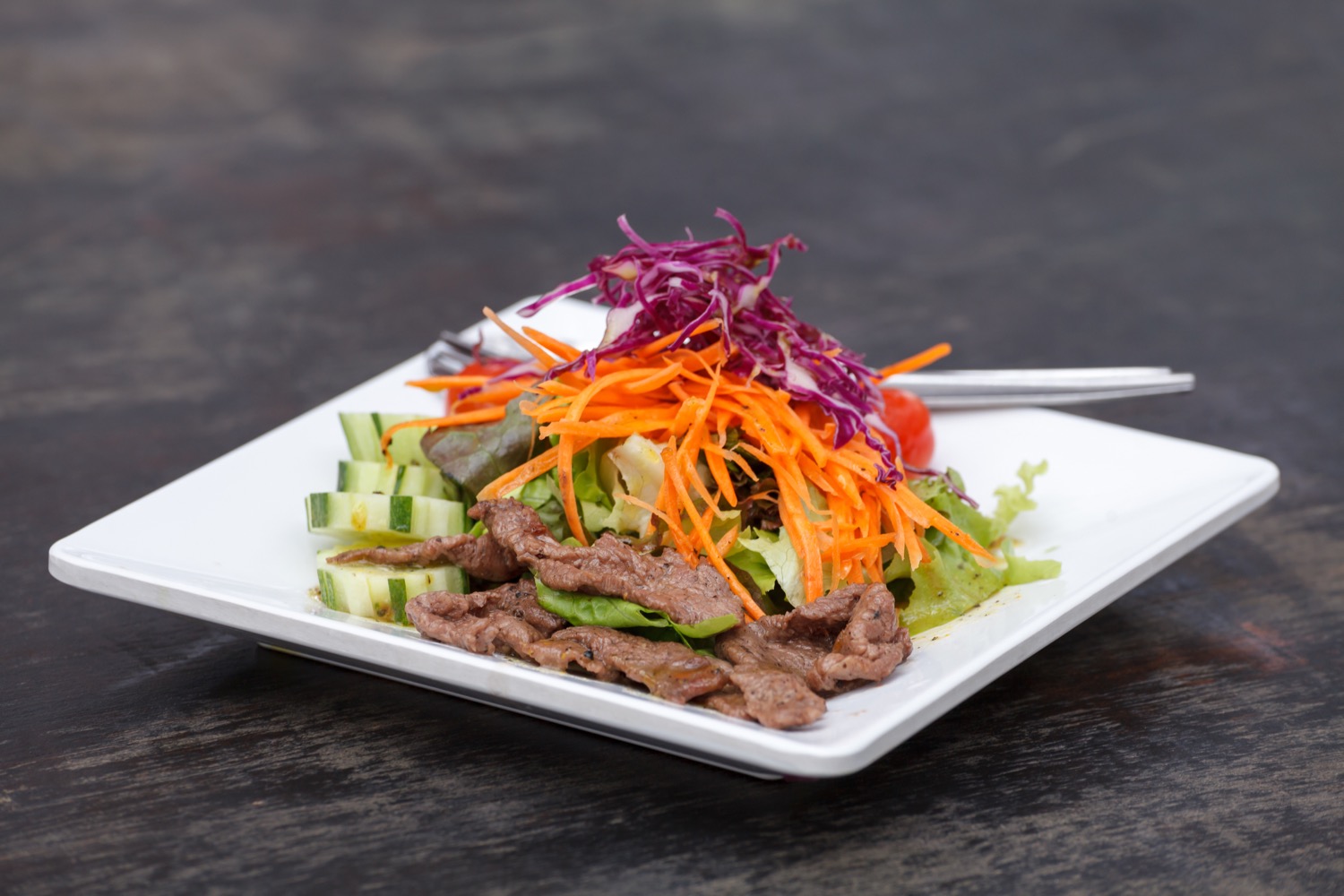
  • Have a breadless sandwich. We call it a salad with meat. 
  • Keep things like salad dressing at work so your lunch salads are more appealing. 
  • Watch cafeteria soup… it is full of fillers like starch and sugar. Make a big batch from scratch and bring it all week long.


Dinners: 

  • Instead of main dish, salad and starch, have main dish, salad and cooked vegetable. 
  • Instead of pasta or rice, have Zoodles, meaning noodles made from vegetables such as zucchini. 
  • Broil, grill or bake rather than fry. These methods require less tending and cleanup anyway. 


Desserts: 

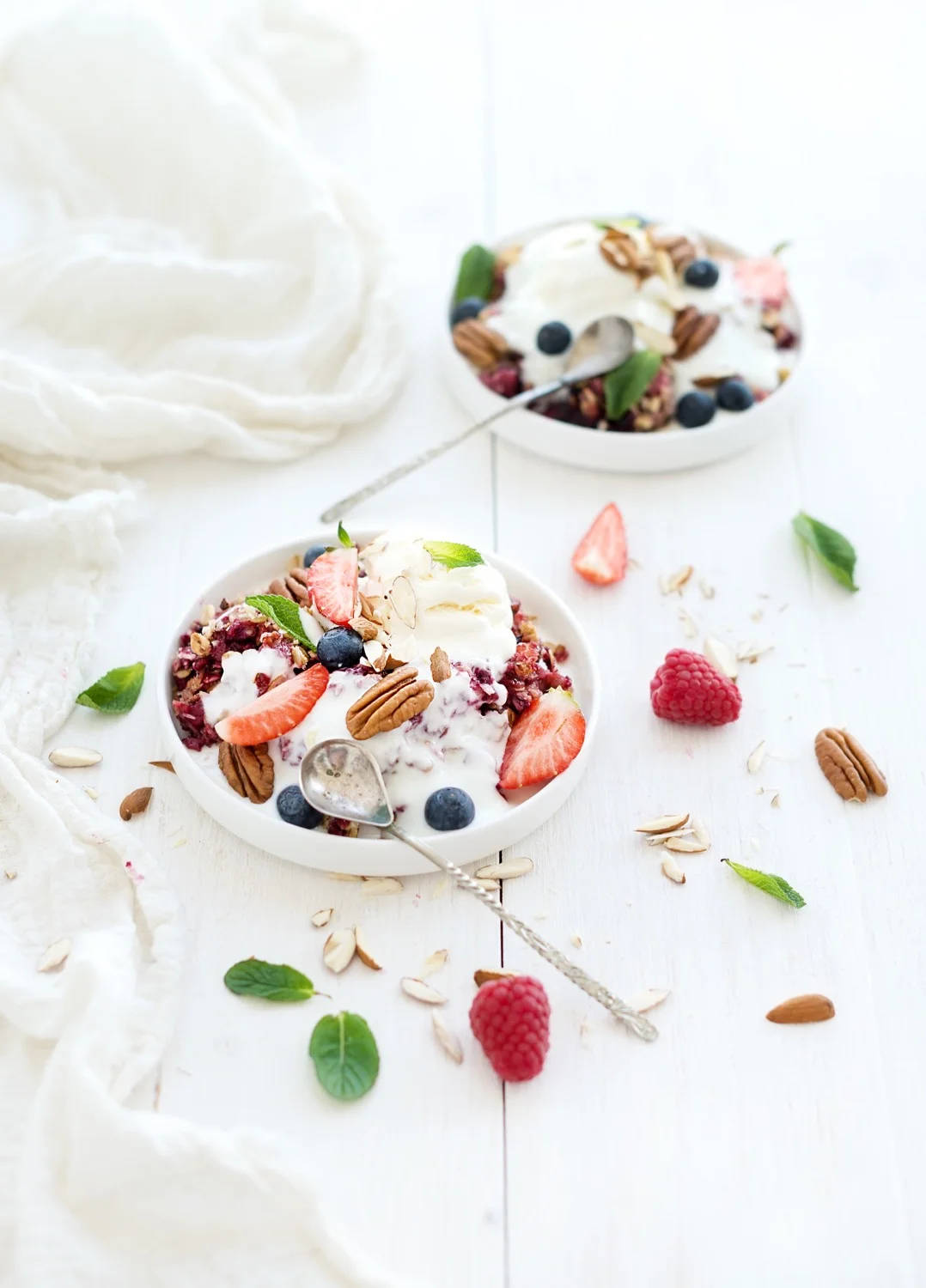
  • Make a crustless or nut crust pie and reduce the sugar. 
  • Have plain yogurt or cheese with fruit for dinner. 
  • Make a conventional dessert but halve the portion size and make it beautiful. 


To learn more about the principles behind these modifications, see the following sections on our website: 

Wellness Wednesday: Beyond Relaxation to Renewal 

Most of us are familiar with the recommendation to relax on a regular basis. We are all familiar with the ravages of stress and the problems associated with insufficient sleep. We generally think of relaxation as the antidote. To most people this means to physically rest or sleep , and to be quiet and still. There is no doubt that some of this kind of time is good on a daily basis, especially if it is done in a mindful fashion such as in meditation.

But sometimes we need more than relaxation. We need renewal. Renewal goes beyond relaxation. It is similar to relaxation in that it is a break from the usual work routine. However, after that, the similarities end. Renewal is more planned. It may involve physical activity, such as exercise, or an outdoor adventure. It may even involve a challenge. It often involves other people, especially people who are new to you. It involves unfamiliarity, learning and even getting outside of one’s comfort zone. 

Productivity experts are extolling such “ strategic renewal” as the newest productivity tool in the success toolbox. This concept can be utilized on different time schedules: daily, weekly , monthly, quarterly. 

Daily Renewals 

  • exercise 
  • meditation 
  • reading 
  • connect with close family and friends 

Weekend Renewals: 

  • connect with farther flung family and friends, socialize and entertain
  • patronizing the arts 
  • sports 
  • spiritual observance
  • volunteer
  • outdoors 
  • reading 
  • exercise 
  • creative pursuits outside of work 

Monthly or Quarterly renewal: 

  • adventures 
  • conferences 
  • different kinds of work projects 
  • travel

See to the basics first: adequate sleep, regular exercise, and good nutrition. Ensure some relaxation on a daily basis. But go beyond all this and try to start thinking about renewal as well. 

To learn more :

See our sections on Sleep Yoga and Meditation 

LIfehacker

Huffington Post 

New York Times 

Stanford University Cafe Science

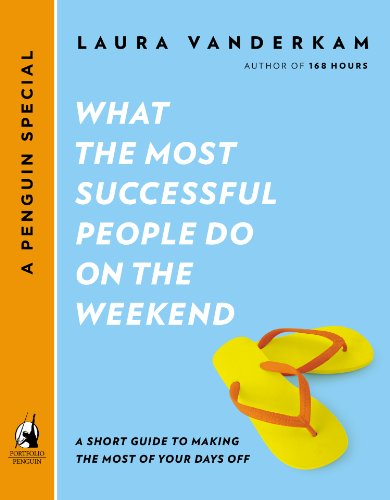
What Most Successful People Do On the Weekend, by Lauren Vanderkam 


Medical Monday: ACOG weekly news

Today I'm going to do Medical Monday like a good old fashioned news cast. I am going to take the weekly news items of most importance to the American College of Obstetricians and Gynecologists and summarize them for you. What's  important to ACOG is important to us. Let me know if you like this format. 


( newscaster voice here... ) 

Medicare, which is for those over 65 or who are officially disabled, "will now pay for women to get a joint Pap smear and Human papilloma virus test every 5 years to screen for cervical cancer. " Never mind that ACOG and The American Society for Colposcopy and Cervical Pathology (ASCCP) state they should be done this way every 3 years. 

A Yale study found that the cost of a delivery varies from $1200 to $12,000 depending on the hospital. Unpacking this revealed that birth was costlier at poorer facilites that served higher percentages of Medicaid moms. They also found higher complication rates in those same higher cost hospitals. CBS news reported on this, and opined that this contradicts the notion that more spending leads to better outcomes. Never mind that poorer patients have been less well served in their lives, are unhealthier and have higher risk pregnancies on average. Maybe the complications come before the high cost but what do I know. 

The European Journal of Preventive Cardiology published the obvious in saying that women who smoked and had preterm deliveries went on to have higher risk of heart disease. Had they not yet heard that smoking is associated independently with both preterm birth and with heart disease ? 

Of importance, the FDA nows states that use of NSAIDS like ibuprofen and Aleve are associated with increased risks of heart attack and stroke. Discuss this with your doctor and buy stock in Tylenol's parent company. 

The Salt Lake Tribune, right in the heart of the conservative Mormon heartland, featured an editorial, which among other things, advised that the best way to reduce abortions was to provide contraceptive choice ! Well done Salt Lake. 

Stay tuned until next week. 


Structure Sunday: The Structure of Your Media Consumption

IMG_0083.jpg

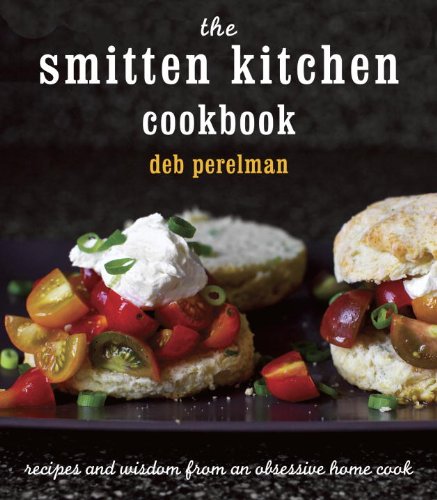
Omigosh I must be so easily amused. I have flown planes, climbed mountains, and swam with sea lions, but today, I got the biggest rush from organizing cookbooks in their new shelves. I just adore their beautiful pages full of recipes like magic spells waiting to be cast. A beautiful recipe transforms you as you make it, and your family as they see what has been prepared for them. 

I am reading a riveting book right now. It is called Seveneves. I found myself reading it at a stop light. Not good. I chose it based on the genre, sci fi, but also because of the reviews on Amazon, and finally because of what I was able to learn about the author, for instance that he double majored in Physics and Geography. I learned all this on the internet.

Seveneves: A Novel
$21.00
By Neal Stephenson
Buy on Amazon


 I did all that research because I wasn't going to devote several hours of my life to something less than totally worthwhile. You see, I get absorbed in my books, fiction and non-fiction alike. They transport me. I don't hear things around me when I am reading. If something is going to affect me like this, it better be quality and it better have redeeming value. I want to finish the book a better person. 

I feel the same way about film, but there are far fewer good films than there are good books. Still, the depths of Netflix and Apple TV are unplumbed, and I look forward to it whenever I have time to dive deep. I don't know if my approach is correct; I save film like candy or ice cream, and cannot watch it until I eat all my vegetables, i.e. work, housekeeping, bills, and exercise. 

Music, however, is like water to me. I have to have it all the time. Patients know it plays all day long in all our clinic rooms, and we try to make it wonderful. We try to make people enjoy their time with us. I want to turn more people on to fine music.

I believe music puts you in touch with yourself. If a song makes you melancholy and wistful, it is touching something within. You may gain from this awareness, and perhaps be able to give the issue more attention. Likewise, if you hear something that makes you feel like dancing, it's because that dance is already in you; the song merely helps release it. 

When I was growing up, all this was so expensive. Books were bought in bookstores, and records required expensive equipment to play well. Regarding films, well, you had to make arrangements to go to a theater, providing you were old enough. But nowadays, the widespread availability of all this media is astonishing. I believe it is world changing. 

I have a great personal interest in the lives of those with low income and high aspirations. I respect these people. I want to understand how they can realize their dreams. I think one big piece of this puzzle is widespread high quality media: books, film, and music. These are not just      niceties in life. They nurture the soul and enlighten the mind. 

Media like music, film and books are not about living vicariously or being passive. They are about learning and getting inspired to go out and live life to the fullest. That is why I think everyone should have access to all the good stuff all of the time. 

So I wondered how much it would cost to have unlimited access to all this media all the time. Here is a rough calculation: 


  • Amazon Prime costs $99 per year. You get access to 41,000 movies and TV episodes, and 350,000 Kindle books. Of course the Kindle app is free for any platform. Just be aware these are like Netflix titles, not necessarily the hot new releases, but still very good. 
  • Netflix has a somewhat different set of movies, all for $7.99 per month,  all released several months after they hit theaters. 
  • Apple Music, is $9.99 per person  or $14.99 per family per month. For this you may stream the entire Apple music catalog. Or, you could get Pandora with ads, for free, or without ads, for $4.99 per month. 
  • Let's say you actually want to buy a few physical books because, like me, you think cookbooks should be physical, or because you want to have a paper book to pass around, then you must budget a few dollars for that. Let's say you, like me, buy used books on Amazon, and you decide your budget is one book per month, at $5 per book used, plus $3.99 per book shipping.

If you have a smartphone and internet already, then we can ignore those costs. If we say, for purposes of argument that you "want it all" , the tally is as follows: 

Amazon Prime = $99/yr

Netflix annually = $95.88/yr

Apple Music for one = $119.88/yr

Paper books one year, as detailed above = $107.88

Total = $422.64 per year or $35.22 per month. Aren't numbers interesting ? 

Let's say you are really on a tight budget. You pick only Amazon Prime for Kindle books and streaming video, together with free Pandora for music. Your cost is only $99/year or $8.32 per month. Honestly, that is two lattes. What an amazing time we live in. 


Food Friday: Drink !

I am absolutely compelled to write again about hydration in this, our week of three digit temperatures. I had one reasonable and well intentioned patient who came in with symptoms and was FIVE LITERS short on her hydration ! 

Let us review. Normally, a non pregnant woman needs 2 liters of fluid per day. A pregnant woman needs three. Add another liter for temperatures over 85 degrees, and yet another liter for activity such as hiking. So if you are pregnant and hiking on a hot day, your fluid requirement is easily 5 liters, and that is assuming you are coming to the day adequately hydrated in the first place. 

The human body is about 60 % water. Let's say you weigh 154#. That means you weigh 70 kg. That means you contain 42 kg of liquid or 4.2 liters. Getting short on fluid percentage wise is easier than you think. 

How can you lose so much fluid ? Well there are the obvious ways, but then there is also respiration, sweat, and something short of sweat which is still fluid loss through your skin called insensible loss. It all adds up. Heat and activity increase insensible losses like crazy. 

Here is the interesting stuff: 

" ...fluid loss of 1% impairs thermoregulation (the ability to regulate your temperature), and thirst occurs at this level of dehydration......Vague discomfort and lack of appetite appear at 2 % . Dry mouth appears at 3%. At 4% work capacity is decreased. Difficulty concentrating, headache, and sleepiness are observed at 5%. Tingling and numbness of extremities can be seen at 6%, and collapse can occur at 7% dehydration. " ( reference from the World Health organization

Here is the fun stuff: 

Summer is a great time for cold drinks. Try to take the traditional summer cooler and put a healthy spin on it. Here are some examples that will provide you with much needed electrolytes as well as fluid and taste. 

  • Club soda with a splash of 100% fruit juice. 
  • Mocktails like Virgin Mary, Virgin Daquiris
  • Herbal iced tea or sun tea on ice with lemon and mint leaves, sweetened with a little fruit juice 
  • Healthy fruit frappes made with fresh fruit, ice, and plain yogurt or kefir. 
  • Decaf mocha frappes made with ice, one pump of chocolate, and your milk of choice. 
  • Stay hydrated and enjoy ! 

For more information see : 

Drinks in Nutrition 

Weathering the Heat 


Wellness Wednesday: Bathing

Did you know the in the Middle Ages, bathing was considered unhealthy? Indeed, they were not called the Dark Ages for nothing. 

Bathing has had a long history, dating back to ancient India, where it was done more than once per day for ritual reasons.  Elsewhere in the ancient world, Greece developed the ritual of bathing into a way of life, where it was integrated with the tradition of athletics and the life of the the gymnasium. Roman baths are famous as a social institution, where gossip and politics took place amidst the steam and the towels. Later as Christianity took hold, public baths went out of favor as being immoral, since they were associated with debauchery and hedonism. Bathing itself fell out of favor during the time of the plagues, as Medieval physicians felt it opened the pores and let in disease. Farther north, the Nordic people maintained a tradition of saunas, and unlike the other public bathing environments around the world, theirs bore no association with immorality or disease. 

During these dark times others kept the practice of bathing alive. European explorers marveled at the cleanliness of the Mesoamerican people. Across the sea, Japan had a rich bathing culture, using rock pools, furnace baths, and heated rocks with seawater to make steam. In later years the Japanese would refine the art of the public and the private bath, requiring separate cleansing beforehand, then a clean soak to establish tranquility before family dinner time. 

Today we use baths for cleanliness, relaxation and therapy. It is a simple intervention with pleasant results. With only a few precautions, baths are a great strategy. The precautions are these: 

Pregnant women in the first trimester should not take hot baths. This is because there is an association between elevation of core body temperature with failure of the neural tube to close, and conditions like spina bifida. 

No bath should be very hot, since this increases risk of heart attack and fainting in the susceptible. Very hot baths also dry the skin and can precipitate headaches. 

Bathing in warm plain water is best. However a tiny bit of scented essential oil or salt may be used. Bubble baths are hard on our tissues as is the use of soap, which should be restricted to the shower only for truly dirty or greasy skin, and never the perineum. The face should be cleansed twice a day with cleanser, not soap, and should be moisturized before fully dry. 

Enjoy bathing as a stress reliever. As Sylvia Path once said, 

"There must be quite a few things that a hot bath won't cure, but I don't know many of them."


References: 

http://www.history.org/foundation/journal/autumn00/bathe.cfm

http://www.brainyquote.com/quotes/quotes/s/sylviaplat107968.html

https://www.aad.org/dermatology-a-to-z/for-kids/about-skin/taking-care-of-your-skin/washing


Medical Monday: Dramatic Results with Long Acting Birth Control

Did you know that fully half of all pregnancies are unplanned?  Something pretty dramatic would have to happen to slash the rate of abortions and the rate of unplanned pregnancies, right? Actually not.

Hot off the press:

Researchers at Children's Hospital Colorado, through a grant from the Susan Thompson Buffet Foundation, devised a study to see the effect of freely providing long acting reversible contraceptives (LARCS) to teens and women who could not afford them. They did this over a 6 year period. The birth rate for teenagers fell 40% percent! The rate of abortions in that group fell by 42% as well. The pregnancy rate for unmarried women under 25 fell similarly. 

What are LARCs? They are the subdermal (under the skin) implants like Nexplanon, or the IUDs (intrauterine devices) such as Skyla, Mirena and Paraguard. These are well established, well understood devices which have excellent safety profiles. For more information, check our section HERE

These LARCs are fairly expensive. This study showed the effects of eliminating expense as a factor. Interestingly, for every dollar of cost of the contraceptive, nearly $6 was saved in Colorado's Medicaid program.

Perhaps more importantly, there are as yet, unmeasured consequences. We know from global data that there is an inverse relationship between education and number of children. We know that women who have children early may postpone or forego their education. We also know that women who are educated have better access to contraception and choose to delay childbearing. Not surprisingly, as a women's number of children rises, her financial dependence increases. On a population basis, as numbers of children rise, so do income disparities between men and women. Finally, as number of children rise, standard of living goes down and rates of poverty go up. It will be interesting to see whether, in Colorado, rates of educational attainment and income go up among young women in this cohort. 

To learn more: 

http://www.nytimes.com/2014/10/02/science/teenage-pregnancy-and-abortion-rates-plummet-with-long-acting-female-contraception-study-says.html

http://www.nejm.org/doi/full/10.1056/NEJMoa1400506

http://www.brookings.edu/research/reports2/2014/09/generation-unbound

Structure Sunday: The "Capsule Wardrobe"

Bon Chic, Bon Genre. (BCBG!) This is the French idea that if you present yourself well in dress, that your mindset will be better. 

This is the week that both Americans and the French celebrate their independence. Why not celebrate a little independence from fashion trends, from self consciousness, or from spending too much? Marveilleuse! 

What is this French concept of "the capsule wardrobe"? It means a wardrobe of restricted size with precisely chosen components. It is a useful concept today when women need to do more with less, and when they would like to be valued for who they are and what they do, rather than how they keep up with trends. It is important too, since the capsule wardrobe is part of the minimalism movement, which, together with the environmental movement,  highlights the benefits of having less  "stuff", but more space and more time. 

But wait? Aren't French women all about the fashion? But of course! It is really that they are all about style. In this way of thinking, the clothing highlights the woman, not the other way around. The clothing should not get in the way of her looks or her life. 

The first step in creating a capsule wardrobe is to tune up your nutrition and exercise! Mais Oui! You want to be trending gently but persistently toward your healthiest weight and body composition. As you do this, your clothes will look and feel better, and you will feel better in them. Check out our sections on Nutrition and Fitness to learn how. 

What is the first step in tuning up your exercise and nutrition? It sounds counterintuitive, but it is to accept your present state. Be kind to yourself. Allow yourself to take sustainable baby steps toward your goals. Let it take the time it needs to take, as long as you are moving in the right direction. For some great tips on making sustainable changes, check out our section on Motivation

Developing a capsule wardrobe requires a good mindset. It is not, as you might imagine, a mindset of scarcity; rather it is a mindset of abundance. Developing a capsule wardrobe also requires a closet cleanout. This is a good exercise. You will see that you have more than you thought, oftentimes more than you need. You will find there is much to get rid of and pass on to someone else. Strangely, when you get rid of the unneeded items, the closet contents are somehow “better”, like you have spent money on your wardrobe, but you haven’t. 

Here is how to decide whether to get rid of something: 

  • You don’t feel comfortable or at ease when you wear it 
  • You wouldn’t buy it now 
  •  It looks better on the hanger than on you 
  •  You haven’t worn it in one to two years. 
  •  It is unrepairable

A word about size. We all know that weight can fluctuate. So if you have beautiful flattering pieces that just don’t fit now but will when you are at a better weight, keep them, but take them out of the closet and store them elsewhere until you have met your weight and body goals.

Here are the key elements to a capsule wardrobe: 

  • Pieces that are tried and true
  • Pieces must fit well, be flattering and make you feel good. 
  • Emphasis on simplicity
  • Emphasis on high quality 
  • Color scheme focuses on neutrals with certain pops of color depending on the season.
  • Neutrals are whites, beiges, blacks, grays, navy and denim. 
  • All elements work together and may layer. 

Here are the consistently observed effects of working toward a capsule wardrobe: 

  • Makes you feel more confident
  • Lets you think less about what you are wearing and more about what you are doing. 
  • Streamlines dressing in the morning and at other times. 
  • Costs less
  • Frees up time for things other than shopping 
  • Frees up room in the closet


The French Version of the Capsule Wardrobe:

  • relies heavily on neutrals 
  • requires flawless fit regardless of body type
  • favors natural fibers
  • allows no visible brand names 
  • almost uniform like in simplicity
  • does not over accessorize
  • excludes extremely high heels or platforms, flats and medium heels are ok. 
  • allows nothing which makes you feel physically or psychologically  uncomfortable, i.e. too tight or too risqué  
  • involves le “no makeup” look, which simply highlights and clarifies the face, rather than decorating it. 

I have provided you with many entertaining references, since the capsule wardrobe is best appreciated in pictures. I could never have a truly tiny wardrobe such as the ones that some of these bloggers propose. For one, where I live, we have four very distinct seasons, each requiring its own wardrobe. However, moving toward simplicity, quality, and feeling good inside is always a good thing. 


References: 

http://www.whowhatwear.com/same-outfit-every-day/

http://www.whowhatwear.com/how-to-capsule-wardrobe/

http://www.un-fancy.com/capsule-wardrobe-101/my-capsule-wardrobe-summer-2014/

http://theproject333.com/solution/

http://www.lightbycoco.com

http://www.minimalistbeauty.com/my-springsummer-2015-capsule-wardrobe/

http://www.wardrobeoxygen.com/2015/03/ask-allie-an-active-casual-capsule-wardrobe.html

http://www.wardrobeoxygen.com/2013/04/capsule-wardrobe-no-fashion-victim-no-frump.html

http://theeverygirl.com/how-to-create-a-capsule-wardrobe


French Version: 

http://www.paris-to-go.com/2014/08/10-pieces-1-year-project-333-zero-waste.html

http://www.savespendsplurge.com/how-to-get-a-parisian-fashion-wardrobe-bon-chic-bon-genre-part-one/

http://www.tonpetitlook.com/fr/2015/05/25/la-capsule-wardrobe-lart-de-reduire-sa-garde-robe-intelligemment
Food Friday: Fruit Stands and Farmer's Markets

My dad and I didn't always get along. He was an old school businessman from the midwest and I was a California city girl. So much was off base. Nonetheless, I recall our trips to fruit stands with affection.

Whenever we drove out to the countryside in search of fruit stands with beautiful produce, everything became right. My dad had a childlike enthusiasm for such things. He would inspect everything that was set out, checking color and smell, and then speak earnestly to the farmers about the season and their particular varieties and cultivars. He would direct me to examine each astounding thing.

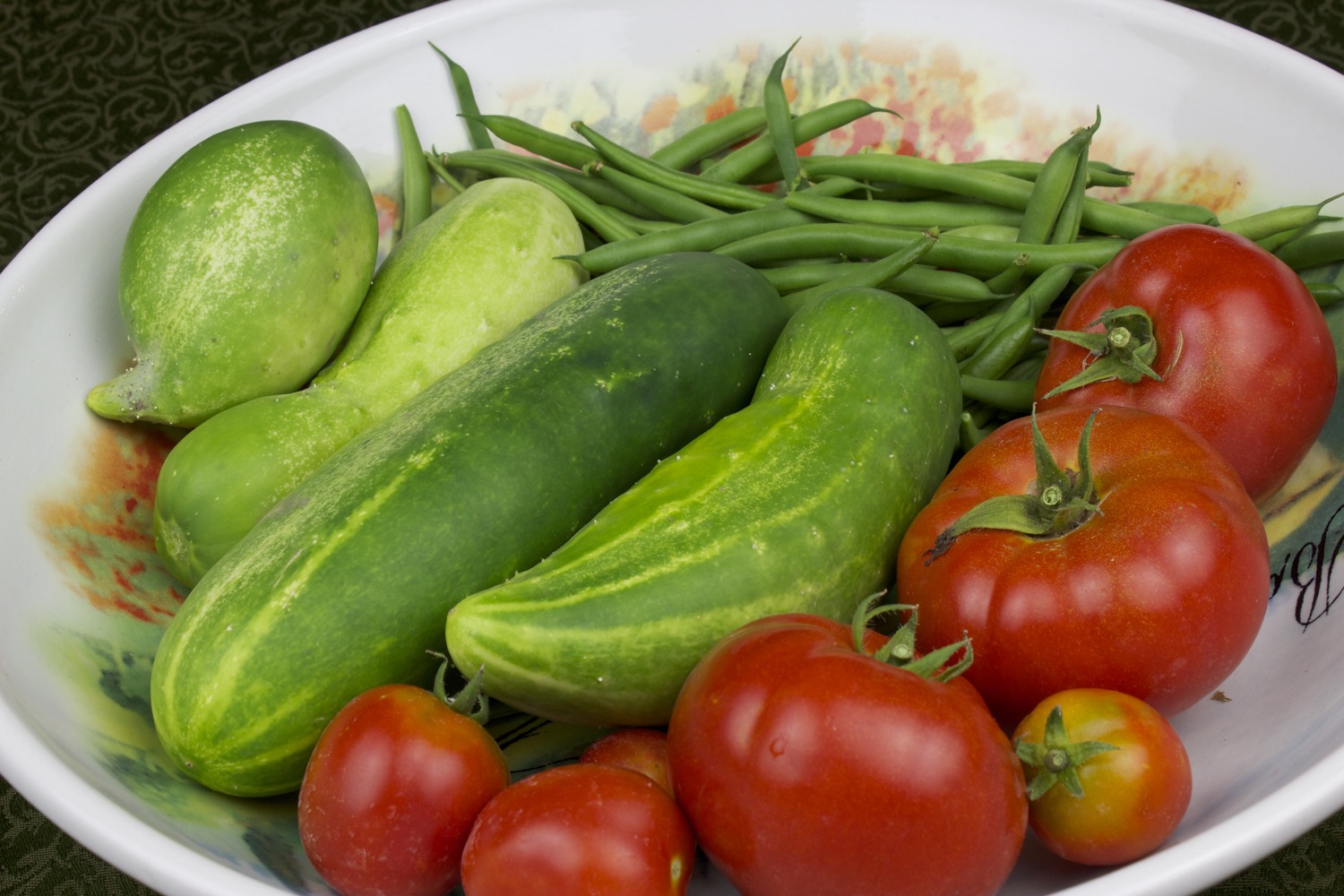
 He was particularly concerned with tomatoes. He could remember all their names, and was thrilled to see the varieties with unusual colors and dense sweet flesh. He liked nothing better than to slice the finest deep red ones onto a plate with a little salt. 

All this is brought back to me at this time of year, as I look forward to the farmer's market each week. I would encourage you to pack up and go. Bring some cash, some bags, a camera and the family.

Here are several great reasons to get out to the farmer's market: 

  • You will see what is being produced in your area. 
  • You will get the best tasting fruits and vegetables. 
  • You can get large quantities for "putting up" ,i.e. canning, freezing, and drying. These projects can be simple like applesauce, pickles or jam, or complicated like salsa, relish or chutney. They can be for your families' delight or for use as coveted gifts at the holidays. 
  • You can meet new people and see ones you already know. 
  • You can get gardening tips. 
  • You can find some unique gifts or get inspired to make your own. 
  • You can use your fancy stroller and wear a big hat. 

My dad made the acquaintance of an old Japanese man who sold a particularly fine dense large red tomato. He had brought it from afar, and developed it. It had no name. Late in my dad's life, he saved some seeds from this tomato and put them in an envelope scrawled with the following, " Gina, Hope these seeds produce. If so save some for me. " 

Many years later, after his passing, I found the envelope. I did not trust myself to grow them out, so I gave them to a neighbor who is very careful gardener. To our surprise they germinated and produced the lovely tomato. 


Wellness Wednesday: Music and Health

Yesterday Apple debuted its all encompassing music service. With a subscription, one can listen to the entire contents of the iTunes music store 24/7/365. There are infinite permutations and possibilities for creating playlists and stations. It is the music service to end all music services. 

The association of Apple Computer with music has been long and fundamental. Much of their product inventory has been about consuming and even creating music, and other forms of art such as as film. There is a belief within Apple and indeed, within many decades of California Bay area culture that music is essential to the good life. I believe modern science is beginning to substantiate that belief. 

Listen to music.jpg


Since I have been totally immersing myself in music since the services inception 18 hours ago, I decided to learn more about what is happening to me when I listen to music. What follows is a characteristically nerdy report on the relationship between music and health. It's amazing and stirs hope. 

A rather casual Google search promptly unearthed a plethora of research and commercial articles on the subject. I will give you the "digest" form and, of course, the references. The oldest work I evaluated was from 2009. Study designs varied, but many were randomized and controlled. Many of the studies were done in the setting of assessing benefit to peri-operative or hospitalized patients. 


In short, exposure to "pleasant" music, self chosen or otherwise, was associated with the following: 

  • decreased preop anxiety,
  • decreased post op cortisol levels, blood pressure, heart rate, pain level, thus decreased requirements for post op sedation and pain medications 
  • decreased pain and depression in fibromyalgia patients 
  • decreased heart rate and pain in hospitalized pediatric patients 
  • improvements in both branches of the immune system, cellular and humoral, in the elderly 
  • improvements in athletic performance 
  • improved sleep 
  • improved cognitive function 


How does our body and mind produce all these responses through music? The precise science is not entirely worked out. However, studies using measurements of hormones and neurotransmitters by blood tests and targeted neuroimaging reveal the involvement of the dopamine, serotonin, and adrenal pituitary axis systems, among others. 

The cardinal work on this matter seems to be an article produced by one of my old college housemates, Dan Levitan, and his colleague Mona Lisa Chanda. (See reference below.) They evaluate and ultimately support the claims that music produces its effects through the bodies systems for reward, motivation, pleasure stress, arousal, immunity and social affiliation. And these responses, of course, work through various brain centers which produce the aforementioned hormones and neurotransmitters. 

So how you feel on music is very very real. So I suggest you indulge yourself. Find your music and bring it into your life. Better yet, make your music. And if you have small children, do everything you can to get them into music education as early as possible. It helps develop the brain and enhances the power of all the good things music can do for us. 


Medical Monday: Insulin resistance

This is one of those chicken and egg things. It turns out that being insulin resistant makes you gain body fat. But, it also turns out that gaining body fat makes you more insulin resistant. What a vicious cycle! No wonder it is hard for people to lose weight. 

Recall that insulin is the hormone produced by the pancreas which is responsible for getting glucose from the circulation and into the cells, where it can be used for energy.

Recall that glucose is the final breakdown product of all carbohydrates (carbs) like bread, rice, pasta, potatoes, etc. If too much glucose is in the circulation, either because too much has been consumed at once, or because the insulin cannot move the glucose into the cell or both, high levels of glucose in the blood stream get turned into triglycerides and fat. Atherosclerotic plaques can form in the vessels and cardiovascular disease results. This is part of what we call metabolic syndrome

In a normal person, insulin rises in response to a meal and diminishes in-between. Moreover, it rises in proportion to need. Insulin would spike if you drank a coke, but just gently ebb if you ate some strawberries. Why? Because the sugar of coke just jets into your bloodstream, unnaturally rapidly. Your body cannot cope with it. A strawberry has structure and the sugar and nutrients release slowly. Said another way, the glycemic index of coke is high, and that of a strawberry is relatively low. 

I recommend that my patients eat low glycemic all the time. What about treats? When a person eats low glycemic consistently, their ambient insulin levels decrease. Insulin levels are related to cravings, and their cravings diminish. A "treat" will bring the cravings back, since it may cause insulin levels to spike. If you think you can have an occasional treat and then resume your healthy low glycemic diet and resist cravings, more power to you. 

How do you turn this vicious cycle into a virtuous cycle? First visit with your doctor if you have diabetes, the condition which is the mother of all insulin resistance. Visit with her if you have been told you have polycystic ovary syndrome. This also entails some degree of insulin resistance. 

Second, learn about how to keep your blood sugar low and steady, with three meals and three snacks every day. Add protein each time to buffer your carbohydrates. Add exercise everyday to boost your muscle mass, burn fat, increase your insulin SENSITIVITY and increase your metabolism. 

Here's the flip side of the coin: If you lose fat, you will become more insulin sensitive. And, if you become more insulin sensitive, you will make it easier to lose weight! 

To learn more, check our sections on 

NUTRITION 

CHRONIC ESTROGENIZED ANOVULATION

For more reading check THIS out from Live Science. 


Structure Sunday: The Structure of Our Practice

Some say medical care in America is deeply flawed. Some say it is the best in the world. On some level, I think both are true. But one thing is sure: Medicine is evolving. We are evolving with it. On July 1st, we will be joining Kalispell Regional Medical Center. 

This is a decision that has been some time in coming. My staff, hospital administration and I have put a lot of time and care into crafting us into a new thing: a medical practice that embodies the best of solo private practice, while benefitting from the support of a larger medical center. 

We want to be on the cutting edge. We want to be a part of the future, where care becomes more rational. Rational care means that duplication of services in the community is avoided. It also means that gaps in care are filled. It means that everyone can get the care they need when they need it.

To this end, our hospital is embarking on an expansion that will bring much enhanced services to women and children here and in our surrounding region. It is a very exciting time to be here and I and my staff are excited to be on board. 

I'm lucky because I work at a hospital with a philosophy of service, teamwork and congeniality. My solo office has worked this way for 21 years and will continue to do so for at least another 15. Our patient care has been based on evidence based medicine, but it has, just as much, been based on quality relationships. My patients can rest assured that none of this will change. 

Our billing will change and our overhead will go down. Eventually, I will have some call coverage, which will be more inline with current practice recommendations and with my health. The office, the staff, and our style of medicine and management will stay the same. There will still be music playing in the rooms and essential oils wafting through the halls. 

I am proud to say that in the course of merging with the hospital, we have received numerous compliments about the way we have been doing things. For that, I have to give credit to our brilliant managers, Tara and Dorothy. I have been truly blessed with these and my other staff members past and present. My only worry is that that administration will find out how truly valuable these women are. 

We look forward to seeing you in clinic and online as per usual. 

Food Friday: Picnics

Did you know that picnics were once only for the very wealthy? Picnics evolved from outdoor hunting parties in the 14th century in Europe. Such elegant outdoor meals were depicted in artworks and tapestries dating back to the Middle Ages. Picnics themselves became entertainment for the wealthy from the Middle Ages, through the Renaissance, and then into the Victorian era. They epitomized the virtues of the wealthy classes, which extolled sport, social life, the beauty of nature, and elegance. In the Victorian era, picnics became especially popular and extended to the emerging middle classes. 

The Oxford English dictionary defines picnics thus: “Originally, a fashionable social entertainment in which each person contributed a share of the provisions; now a pleasure party including an excursion to some spot in the country where all partake of a repast out of doors; the participants may bring with them individually the viands and means of entertainment, or the whole may be provided by some one who “gives the picnic”. 

Today, picnics are far more casual, though they still retain the aspect of having a festive meal outdoors. In our country, we tend to have picnics primarily in the summer. This poses some risk, since in summer temperatures, food borne illness is more common. Here are some tips to avoid problems: 

Pack safely: 

  • Include materials to clean hands, with soap and water, sanitizer or wipes. 
  • Pack ice, clean utensils, plates, leftover containers, paper towels and trash bags. 
  • Pack cool food with ice packs to stay below 40 degrees. Open infrequently. Pack drinks in a separate cold cooler, since this drink cooler will be opened frequently. 
  • Carry coolers in an air conditioned car, not the trunk. 
  • If hot food is precooked, do not delay before finishing cooking on the grill. Any time lapse in-between is an invitation for bacterial growth. 
  • Cook hamburger and other meats to 160 degrees, and chicken to 165 degrees. 
  • Prevent cross contamination with drippings or marinades. 
  • Do not reuse marinades. 
  • Don’t serve on your prep platter.
  • Discard food if left out more than an hour at 90 degrees. 

Pack creatively: 

Consider some alternatives to traditional cuisine. 

Classic American picnic foods, as for Fourth of July 

  • fried chicken
  • hot dogs
  • macaroni, egg or potato salad
  • corn on the cob
  • iced tea, lemonade
  • apple pie 

French picnic foods, as for Bastille Day 

  • Baguettes and baguette sandwiches
  • pate foie de gras or tapenade 
  • Salade Nicoise 
  • Perrier Sparkling water 
  • macarons
  • mousse or pots de creme

Italian picnic food: 

  • salads: pasta, caprese, arugula
  • bruschetta with toast
  • limoncello soda 
  • layered torta or pizza 
  • salami, ricotta, fresh fruit 

Swedish picnic food for Midsummer celebration:

  • grilled marinated lamb
  • Gravlax
  • pickled herring with sauces 
  • seeded crispbread
  • cheesecake with berries 


If you don’t recognize the dishes, google them or search on Pinterest. You have some pleasant culinary surprises in store for you. 


References: 

Chow.com

Food Timeline 

Pamphlet: Pack a Family Picnic

Foodsafety.gov

Home Food Safety 

FDA


Wellness Wednesday: Generativity 101

I must have missed a day during my Psychology rotation. If I could have planned it, I would have missed the part about Freud and psychoanalysis. Give me a social or a cognitive psychologist any day and I will be much happier. These types of psychologists study the development of personality and cognition, or the thinking process throughout the lifetime. One of the great social psychologists, Erick Erickson, viewed our lifespan as occurring in stages, eight to be precise. They are depicted in the graphic taken from the pages of simplepsychology.org. ( See reference below.) 

I am writing tonight to introduce a new concept: generativity. It is the eighth stage in Erickson’s concept, and this seems to indicate it pertains only to people who are middle aged. I think it pertains to all adults, young or old, and maybe even certain adolescents. In a prior post I highlighted the evidence behind the importance of creativity to health. In this post I would like to highlight the importance of generativity to health and wellness.

Generativity is a term created by Professor Erickson to denote "a concern for establishing and guiding the next-generation." It has to do with creating something beneficial for those who come after you. It has to do with making the world a better place. In both Japanese and western culture it has to do with making your mark. Steve Jobs famously use the phrase "put a dent in the world". 

I have a hard time seeing that this kind of altruism is restricted to middle-aged people. The literature says that this personality trait does not have to be there initially to manifest itself later in life. But what if we were to hold it up as a desirable value? What if we were to make it trendy? Would more people embrace it and do so sooner in life? In Jewish thinking there is a phrase which I think relates to this. It is “Tikkun Olam”. This means to repair the world. It is something we are taught from early on.  It is one of the highest Jewish values.

In the field of psychology, there is actually a scale to measure generativity in a person. It is called the Loyola Generativity Scale or LGS. It is a point system in which the subject answers the following six questions:

  1. I tried to pass along knowledge I gained through my experiences.
  2. I have made and created things that have had an impact on other people.
  3. I have important skills that I try to teach others.
  4. If I were unable to have children of my own, I would adopt children.
  5. I have have a responsibility to improve the neighborhood in which I live.
  6. I feel that my contributions will exist after I die.

You get a zero if the statement does not apply to you, a 1 if it sometimes applies, 2 if the statement often applies, and 3 if  the statement always applies. The higher the score, the more generative you are. And not surprisingly, the happier you are. There is real research that indicates that a high score on the Loyola Generativity Scale is positively associated with life satisfaction.

Generativity is a new term for me. However it is an old and very useful concept. I am writing today to do my part to put it a little more on the map, and to encourage a conversation.


References:

What's generativity and why it's good for you at HuffingtonPost

Kristensargsyan’s Blog

Simplepsychology.org

Foley Center for the Study of Lives at Northwestern University

Psychology.about.com

Generativity in the Young, Midlife, and Older Adults. McAdams, et alia. Psychol Aging 1993;8(2):221-230.


Medical Monday: Are there really any low risk pregnancies ?

In today's post I report on some recently presented work which questions the validity of classifying pregnant women into either low risk or high risk groups. 

These categories have been important to women and their caregivers since they have used the information to determine the most appropriate site for delivery, from freestanding birth center, to community hospital to university medical center. 

But while Obstetricians have gone along with the use of the category " low risk", we know from anecdotal experience that ANY patient can unexpectedly have complications with out any warning or risk factors. A cross sectional investigation published in the American Journal of Obstetrics and Gynecology, February 7th, 2015, has shown us in precise numerical terms just how often this happens. 

Please note that in this study, those with no prenatal risk factors were classified as low risk. Those with one or more risk factors were classified as high risk. 

Here are their results: 

Of 10,458,616 pregnancies analyzed, 38% were identified as low risk, and 62 % as high risk. 

It turns out that 29% of those classified as low risk had unexpected complications. 

It is not surprising that high risk pregnancies had complications. It turns out that 57% percent of them did. However, 29%, almost a third of the low risk patients had complications. For certain outcomes, like use of vacuum, forceps, meconium and infection, so called low risk pregnancies had a higher incidence than those in the high risk group. 

If you look at all pregnancies and add the 62% who are high risk to begin with and the 29 % of the remaining low risk 38% group who ended up having complications despite their low risk designation, it adds up to 73% of the total group. 

So, according to this large study, 73% of all pregnant women can either be classified as high risk from the get go, or are low risk and going to have a complication. This 73% of all pregnant women are those that belong in the care of Obstetricians or Certified Nurse Midwives working in the hospital under the care of Obstetricians.

Here's the problem. While we can select out those in the high risk group for higher level hospital care, it is not so easy with those classified as low risk. When we consider the low risk group, who are over the third of the whole group, we know about a third of them will have complications. WE JUST DONT KNOW WHICH WOMEN THEY WILL BE. That is the problem. That is why, in my mind, all women deserve access to a high level of care in a congenial but fully equipped setting...the hospital. 

It is imperative that birth be congenial but even more critical that it be safe... 100% of the time. To achieve both does not require taking birth out of the hospital realm, instead it means transforming the hospital birth environment to be all that it needs to be.. comfortable, accommodating, beautiful, as well as fully equipped for any medical or surgical contingency. 

Here is the link to this current research: 

http://www.ajog.org/article/S0002-9378(15)00268-9/fulltext


Structure Sunday: The Structure of Grocery Shopping

I am interested in grocery shopping since it has a great deal to do with what we eat. What we eat has a lot to do with our health. Since this is all so very important I am going to break it down into ridiculous but useful detail. The following is a primer on how to go grocery shopping. 

First reflect: 

First and foremost, think about your nutrition goals for the week. Remember that Dr. Gina wants you to consume primarily meat, fish, chicken, vegetables and fruits in three meals and three snacks every day. Review our Nutrition section if you have questions. Think about some of the awesome healthy dishes you would like to make. Include those ingredients on your list. 

Inspect, tidy and make lists: 

Be brave and look into the depths of the fridge. Find any science projects (spoiling food in containers) and get rid of them. If you consolidate things like ketchup bottles and wipe out the refrigerator shelves a little bit it will make you feel so much better. You will see that feeling better is actually important, since it will help you avoid buying things you don’t need. Look in the freezer, and all the cabinets too. Make room for the new groceries. Go to your laundry room and your bathrooms, and check and tidy there as well. After you are done inspecting and tidying, make your lists of all the things you need to buy. You can group them any way you want, either by store like I do, or by store section. Make your list on paper or on your phone. I tend to lose paper lists. 

The idea here is that with a list you will buy only what you need, and nothing that you don’t need. Sure enough, you may run into excellent and discounted produce you didn’t know was in season, and that I believe is a legitimate reason to go off list, but just any old bargain is not. 

Prepare yourself to shop: 

Research clearly shows that we often suffer from “needs confusion”. When we are tired, hungry, bored or angry, we soothe ourselves with retail therapy. Buying, like many pleasant things, produces a surge of potent neurotransmitter, not dissimilar to those felt with accomplishment or good fortune. In unpleasant states, we are more vulnerable to marketing ploys and subliminal suggestion, and we are anxious to resolve our uncomfortable state. So, I suggest that you work out, shower, dress and eat at least a healthy snack before going out to shop, hereby calling up happy neurotransmitters in more legitimate ways.  

Pack for the trip: 

Make sure and collect all your reusable and attractive shopping bags. Get rid of the ugly downer bags, my goodness. Life is too short for ugly shopping bags.

Bring healthy snacks so you will not fall prey to the samples. Bring all the equipment and healthy snacks you need to keep kids happy. This will help both kids and parents resist child-initiated impulse buying. 

When to go: 

I am a firm believer in twice per week shopping. Any more is onerous and any less results in a lack of fresh food, which is so important. I have chosen Sundays and Wednesdays since that is easiest for me. 

Where to go: 

Assuming you have already gone to your own garden, your own freezer, and your own farmer’s market first, you must then consult your list. To get exactly what I want (and I am very picky) I have to go to at least two stores. Usually one is Costco, which has more organic food all the time. The other is my local organic/natural/whole food store. 


Once you get there:

Understand that everything in the store environment is designed to get you to buy. This goes from the print, the colors, the displays and the music. Use your own mind. You have already decided what you need.

  • Be skeptical, stick to your list, and be a label reader.
  • Be wary of health claims on product packaging.
  • Stick to real fresh food, which is mostly located on the periphery of the store. Stay out of the middle of the store without good reason.
  • Be cautious about budget brands. They may be cheaper for market reasons, or because they use cheap fillers which are not healthful. 
  • Be cautious about coupons and sales. Do not let these cause you to buy something you don’t need or more than you can use. 


Enjoy yourself: 

Your nervous system is right. You have every reason to feel a thrill right down to your neurotransmitters when you pick up you a big crate of ripe strawberries. Eating is one of the great joys of life. To be able to acquire beautiful varied foods as we do is unprecedented in human history. Think about what it takes to bring us this food: all of the people and places and knowledge that come into play. It is nothing short of amazing. 


For more reading : 


How to Buy Food, at Bon Appetite

The Psychology of Shopping: How Grocery Stores Make Rational Shopping Nearly Impossible

Supermarket Psychology, by Weight Watchers 

Surviving the Psychology of Sneaky Supermarkets, at National Geographic 

A Few More Ways that Supermarkets Mess with Your Mind, at Business Insider 

11 Psychological Tricks of the Supermarket Trade, at Food Network

Ten Ways your Local Grocery Store Hijacks Your Brain, by Psychology Today 


Food Friday: Cool Dinners for Hot Days

Several chicken wrap sandwiches on mat.jpg

It’s summer and the weather is hot. It’s great to turn to festive cold dishes. But they often contain lots of simple carbohydrates, which most of us should avoid. Here are some tips to help you avoid the same old sandwiches, crackers and pasta salads. 

Some recipes, especially these which are high in protein, require a little preparation in advance. 

With advance cooking: 

  • Prepare any kind of meat, chicken or fish in surplus. Use in any of the following ways: 
  • Season liberally and toss into a leafy green salad for a balanced meal, e.g Taco salad. Serve with fresh corn rather than chips.
  • Season liberally and toss with firm vegetables such as cubed carrots, steamed broccoli, carrots, peas, corn, peppers, tomatoes. Dress with a vinaigrette in advance to marinate, flavor and soften. Add raw nuts to any salad but be sure about allergies. 
  • Make wraps and include vegetable, garnishes, salsas and condiments. Consider rice, seaweed or iceberg lettuce wraps with toothpicks. 
  • Use hard boiled eggs as a protein rich garnish to leafy salads, or mix with olive oil vinegar, mustard lemon and spices to make a rich dressing. Traditional Cobb Salad and Salade Nicoise are made this way. 
  • Make an egg salad with lots of vegetables like celery, pickles, relishes, peppers, etc. 
  • Make “meat” balls of chicken, meat or even fish (called gefilte fish traditionally), and serve on sticks with flavorful cold sauces for dipping. Find recipes that have high flavor since flavor is more subtle in cold dishes. 
  • Make chicken salads, e.g. curried chicken salad or Waldorf salad. 


With no advance cooking: 

( Remember, deli meats are not for pregnant women.) 

  • Meat deli trays.  
  • Cheese Deli trays. 
  • Smoked fish or poultry platter. Any of these can go with all the trimmings, i.e.fruits, vegetables, condiments. Try not to resort to all the crackers. Build hor d’oevres on slices of cucumber, small tomatoes halves or slices of firm cheese.
  • Toss cubes of feta, mozarella or other cheese with leafy or firm vegetable salads. Dress attractively with flavored vinaigrette or a creamy homemade dressing. 
  • Make cold fruit soup with a yogurt or kefir base. 
  • Use canned salmon or your favorite canned meat fish or chicken to make spreads, dips and additions to salad. Think "tuna salad” but better. 


Once you’ve got a protein rich cold main dish figured out, it’s easy to think of cold side dishes. Make any kinds of fruit or vegetable salads; try your hand at a cold Gazpacho. Those who can tolerate legumes (beans, tofu, etc) can make many more protein rich dishes, though one must bear in mind that to constitute complete protein, legumes must be combined with whole grains. 

To keep your cool dinner healthy, steer clear of soda, fruit juices and excess alcohol. Lightly sweetened herbal iced teas flavored with lemon wedges and mint leaves are always appreciated. You can also use just a splash of fruit juice with cold and very economical club soda, at a fraction of the price of commercial gourmet sodas. 

Finally, cool desserts are easy. Try fresh berries, melon or pitted fruit with cow’s milk or coconut cream. If you are feeing ambitious, prepare an exotic sorbet. Simple reliable ice cream makers are commonly available these days at any big box store, and make your recipe into ice cream in 45 minute or less. Just remember to freeze the cylinder well in advance of using it.