Medical Monday: Breaking News from the World of Obstetrics and Gynecology

Congress has finally passed legislation allocating $1.1 billion to fund the fight against Zika. This will cover primarily vaccine development, but also mosquito control efforts. This is very good news; however many would argue that this is too little too late.  The director of the Centers for Disease Control (CDC), Dr. Anthony Fauci, has indicated that more fundamental research on Zika "will need to be cut back.

There are over 2000 confirmed cases of Zika among American pregnant women. The majority of these are from Puerto Rico. However, the true number is probably under appreciated, due to lack to testing or delays in getting testing results back. Zika Virus may be transmitted through the bite of the Aedes Mosquito, but also via body fluids. By body fluids they mean tears or sweat, not only blood and sex related secretions. Zika virus causes numerous serious abnormalities in the developing fetal and neonatal brain, and can cause post viral paralysis ( Guillane Barre Syndrome) in non pregnant adults. 

A scandal is developing in Florida. Officials in Miami Dade County are accusing the Florida Department of Health of keeping the mosquito capture sites secret, a charge which the Health Department denies. This all started when the Miami Herald sued to find out the location of the traps. 

Texas, which has not yet experienced a confirmed case of Zika, is still expected to be at risk. This is because such epidemics travel in a delayed fashion. Dr. Peter Hotez, Dean of the National school of Tropical Medicine at Baylor College of Medicine, Has stated that we will not know if we've had local transmission of the Zika virus in Texas until seven or eight months from now, when babies are born with microcephaly. He noted that detecting the virus is difficult because most people who are infected are asymptomatic.

ACOG’s Journal of Obstetrics and Gynecology has published a report indicating that from 2000 to 2014 maternal mortality in the Continental 48 states has increased 27%. A 2015 report from the World Health Organization indicated that the US has a higher maternal mortality rates than Iran, Libya, and Turkey. This is been reported in previous weeks, although these new numbers put it in better global perspective.

In the good news department, the use of antenatal steroids in women at high risk for preterm labor has been expanded. Until recently we used such steroids to accelerate lung maturation in unborn babies through 34 weeks of gestation. For reference, 40 weeks is the due date and 37 to 41 weeks is considered full-term. The period of 34 to 37 weeks was considered preterm, but until recently there was no proof that the use of antenatal corticosteroids helped this group of babies. Now there is. Accordingly the American College of Obstetricians and Gynecologists has published an updated committee opinion on the use of these medications. With this expanded therapy, it would be reasonable to expect fewer breathing complications in this group of premature babies. 

In the "proud of my college" category, The American College of Obstetricians and Gynecologists (ACOG) has been solicited by the Federal government to "review and recommend updates to" several preventive health services for women under the Affordable Care Act. ACOG’s draft recommendations states that “ women should be able to get free mammograms as early as age 40 and if any follow-up is required, like a biopsy, it should be considered an integral part of the screening and also covered at no cost.” ACOG has also recommended that male birth control be covered as well.

Also in the good news department, the death rate from ovarian cancer decreased 16% between the years 2002 and 2012. 

In the vaccination success department, the World Health Organization (WHO) has declared America free of measles. The WHO Director General Dr. Margaret Chan has indicated that the Americas is the first region in the world to eliminate measles. It has achieved this after a 22 year vaccination campaign. As the measles may be imported from elsewhere, vaccinations for measles should continue as per usual.

Also in the vaccine success department is this: A recent study indicates that the recent introduction of a prenatal TDAP booster vaccination has been effective. This booster can prevent both the development of pertussis ( whooping cough) and decrease the severity of neonatal pertussis infections that do occur. 

Our last bit of news this week is also in the good news category. Teen pregnancies have declined over the last 10 years and the most recent data is even better. Data from 2015 indicate indicate that the teenage birth rate in the United States has hit a new record low, according to a report from the Centers for Disease Control and Prevention. The rate had a one year decline of 8% falling to 22.3 births for every 1000 women between the ages of 15 and 19. Experts attribute this to teenagers having less sex, using more reliable contraception, and being more aware of the difficulty of having a child while still a teenager.


Stay tuned for more news from the world of OB/GYN next week on Medical Monday.


Food Friday: My Strategic Foods

I am a 54 year old woman with Systemic Lupus. Sounds dismal, huh ? Actually, I am healthy, working, and recreating full time. I hate to say it, but my lupus may have caused me to take better care of my health than I would have otherwise.

I am one of those people who pursues optimal health. I feel I have to, since I am obliged to set a good example for my patients, and because I have a family who relies on me. 

I can’t afford to do anything but eat optimally. I can’t afford to do anything but workout regularly. At my age, with my condition, going backwards is really hard to make up. Going forwards is extra slow, since I also cannot overdo it, so I have to make gains really gradually. 

I love good food and cooking, and I love working out and how it makes me feel and look. So these things are not hard sells for me. I try very hard to convey to my patients and readers the joys of these things, but you may certainly relate when I tell you that most people are not where they would like to be on their fitness and nutrition. So instead of me just sharing how I feel, I would like to tell you a few simple things that I do that help me keep my nutrition in line easily. This is Food Friday, and we are going to talk about my strategic foods. 

With my lifestyle, workout, goals and medical condition, I need more protein that the average 54 year old woman. To help me get that conveniently, I start every morning with about 16 ounces of skim organic lactose free milk mixed with about 2 scoops of whey protein powder. That gets me nearly 30 grams of protein, a reasonable start to the 80 grams per day that I shoot for.

At about 10 am, I make some oat bran cereal, one of my strategic carbohydrates. I include this for the fiber it provides. I take a page from the Giada DiLaurentis' playbook and dress it with about a Tablespoon of olive oil and some kosher salt. It is reminiscent of buttered popcorn. I usually have a bowl of decaf green tea matcha which is full of antioxidants. 

At lunch I usually have fish, chicken or red meat with veggies, which are usually leftovers brought from home. I try to eat lunch with water, either cold or hot. I may also have fruit. I favor blueberries and strawberries, which is good because they are nutrient dense, and low on the FODMAP scale. ( More information on FODMAPS HERE)  I bring them in a little tupperware. These generally leave home frozen and thus by lunch they are just right. 

Mid afternoon I try for some more protein with some kefir ( cultured probiotic milk) or a meat stick. Additionally, in the afternoon, I have taken to drinking a Kombucha which is a fizzy  probiotic drink. 

When I get home from work I need a little something before dinner, and it is usually a little fruit and drink. This sets me up to work out, which I do before dinner. Sometimes I or someone else starts dinner, and I work out while it is cooking. I drink sips of water all though my workout. 

Dinner is, not surprisingly, meat, fish, chicken or eggs, with vegetables and fruit. And here I use another strategic carbohydrate, brown rice. Between the fiber in that and the oatmeal, things “ go well”. Again, I drink water with the meal to aid digestion and keep me hydrated. When I am cleaning up dinner, I fix my lunch and two snacks to take to work, since I am not a morning person. I also fix my protein drink in a “ shaky” bottle so it is ready to grab in the morning. 

And though it is so trendy it is outdated, I am still crushing on kale. I eat it dried, and I eat it chopped and sautéed either in olive oil or coconut oil. I like to toss in tomatoes for color and a bright flavor. I have learned to salt and season after it is finished since it shrinks down so much. You have to start with a heaping pan full to get a couple servings. I use lemon pepper very liberally, as well as Mirin, rice wine, or rice vinegar. Balsamic vinegar also works nicely on kale. 

At bedtime I usually get a little dark chocolate. My recent favorite is a raw Mexican chocolate from Taza. It is spendy, but you only need a little bit. I also get something more to drink. 

Yes, it’s a lot of time spent, and a fair amount of preparation, but it makes me feel good and I like it. Try these strategic foods or develop your own favorites. Remember, small healthy habits, done over long periods of time, make health. 

Wellness Wednesday: Travel Insights

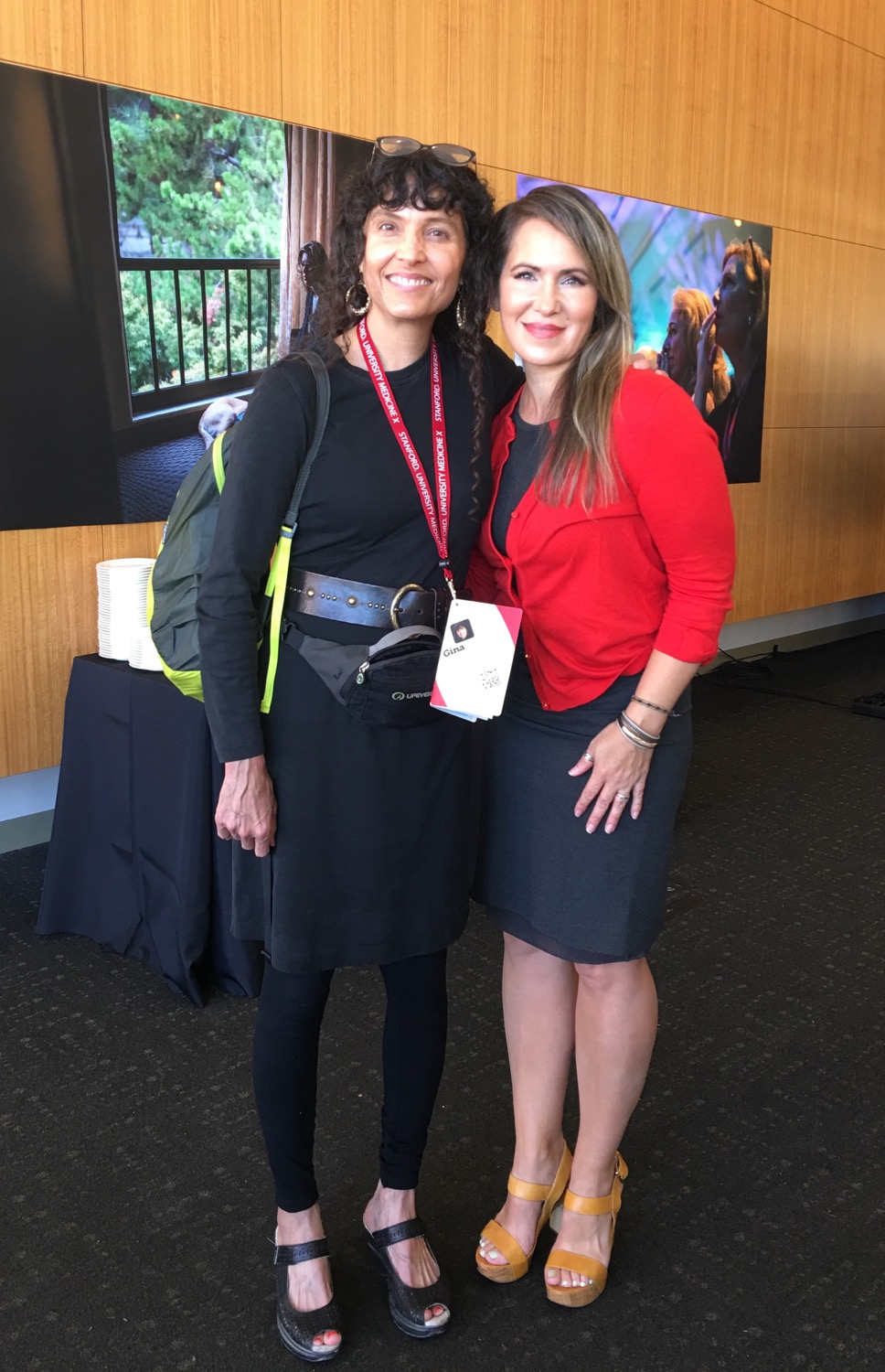
I am in black and with me is Kyra Bobinet, MD, MPH of drkyrabobinet.com

I am in black and with me is Kyra Bobinet, MD, MPH of drkyrabobinet.com

Although travel is often arduous, it has the capability to be really invigorating. Travel is meant to refresh both the body and the spirit. 

I travel seldom. Often, when I do, it is for a specific reason such as a conference. Nonetheless, it gives me perspective on the destination and on home. I also learn things about myself. Here is a sampling of my insights from a recent trip to Stanford Medx. 

  • I worry before a trip and invariably come to find that my worries were largely unfounded.
  • Every time I travel, especially the day I’m supposed to depart, I'm reluctant to leave home and have strong feelings of missing home. However, by the time I change planes, I am very glad I went and I get excited for the destination. Toward the end of the trip, I'm anxious to depart, and love arriving at home.
  • I romanticize my destinations yet ultimately find that they, like all places, have advantages and disadvantages.
  • I sleep more when I am not at home since I do not engage in the endless list of things to do at home.
  • I feel better when I sleep more as many people have told me I would.
  • I am becoming increasingly selective about what I eat.  I am therefore becoming more careful about bringing food, especially snack foods, with me.
  • I am more determined than before about finding new ways to keep up on my workout while I travel.
  • I drink more and hydrate better when I am away and I feel better because of it.
  • I am still reserved at the beginning of a big interactive conference. I then realize partway through the conference that there is no reason not to approach anybody, including the main speaker, that I find interesting. When I do approach people with reasonable points or questions, they are uniformly receptive and share generously.
  • I never bring enough business cards. And in a related vein, my business cards are boring. I need some new ones.
  • I sometimes get the “ I am not worthy“ feeing when I meet people of towering brilliance and accomplishment. It does not take me too long to realize that this is a waste of energy. However, it still happens. Thankfully, this feeling does not paralyze me, and it makes me want to do more. These negative feelings are eclipsed by my gratefulness at getting to meet such people.
  • I am afraid of “ losing” the cool people I meet on my trips, so I have become more thorough about getting their complete contact information, often including pictures. The funny thing is, everyone else seems to be doing the same thing.
  • I used to disdain Twitter, but now I get it. I don’t know if this was one of the original intended uses, but I quickly learned to do as others were doing and tweet out key points from the lectures, including helpful hashtags and relevant twitter handles. The twitter stream from the sometimes concurrent presentations in one conference could thus be shared by all who were interested, regardless of what presentation they attended or, regardless of whether they were present at the conference at all. I was enthralled by the idea that we were creating a crowdsourced collective impression of the conference available live in the twitter sphere.
  • When I travel to places where I have lived before, I feel a pleasant sense of continuity from past to the present. I also get a sense of longevity, as though life is reasonably long, and that you are free to do many different things over the decades.


Traveling inspires me to do more and be more. It makes me appreciate both home and the destination better. If I go back in time by going back to a place I’ve lived before, I gain understanding and compassion for my younger self.

Traveling can be expensive and challenging to arrange. However, I believe that it is worth it.


Here are some older posts I wrote about travel: 

Travel Wellness

Travel Food

The Structure of Travel


Medical Monday: Breaking News From the World of Obstetrics and Gynecology

By a margin of 89 to 7, the Republican dominated Senate voted to move forward and develop a bill to avert a government shutdown and fund the Zika crisis. So, yes, they approved a bill to approve a bill. 


Meanwhile the public ought to be aware that money has been taken from other important sources to fight Zika. The Federal Government has taken money away from funds to fight malaria, tuberculosis, ebola, and more recently, and tragically, cancer, diabetes, heart disease and mental health. Some of this money will be going to continue the development of a zika vaccine. 


The CDC ( Centers for Disease Control) has spent another 2.5 million for Zika lab testing. Getting definitive Zika test results can take 4-6 weeks in the current system. 


The news has prominently publicized the well delineated areas in Miami where the Zika virus is active. However many experts believe Zika is active all around the Gulf Coast. Experts including some within the CDC believe other Gulf cities are experiencing Zika outbreaks without realizing it since the testing is taking so long. 


As of several days ago, Puerto Rico has  20,000 documented cases of Zika, including close to 2000 pregnant women. 


In the not surprising department, those with no out of pocket expense for birth control have fewer unplanned pregnancies. 


Also in the interesting but not surprising department, stress may erase the effects of a healthful diet. It also decreases one’s chances of getting pregnant, especially if it occurs near the time of ovulation. 


About 1 in 5 or 20% of all women will suffer from depression and one point or another in their lifetime. That percent is higher in the 40s and 50s. 


Last week I reported on the appalling maternal mortality rates in Texas. The Institute of Heath Metrics and Evaluation has released data indicating that the United States as a whole has suffered the same trend. We are now considered an outlier among rich nations in this regard. Some of this is attributed to obstetric ( pregnancy) complications arising out of increased background rates of obesity and diabetes, whose rates have skyrocketed in this country. 


In the probably good news department, mammograms received by Medicare beneficiaries increased in the first three years after the enactment of the Affordable Care Act. It is a bit too early to tell if this will result in a reduction in morbidity or mortality from breast cancer, but I am betting that it will have. 


In the definitely good news department, it has now been established that the incidence HPV related anogenital warts is on the decline due to the HPV vaccine. This is true despite the woefully low utilization of this safe and effective vaccine. The HPV vaccine is meant for young people, both boys and girls from ages 9 to 26. 


In the phenomenal and amazingly good news department, Mark Zuckerberg, founder of Facebook, and his wife, Pediatrician Dr. Priscilla Chan, have pledged 3 Billion dollars over the next years to essentially cure or manage all disease by the end of the century. If I had not just attended Stanford Medx this last week and been heartened by all the new technologies and methodologies that people all over the world are bringing to bear for these goals, I would have thought their goal unrealistic. But now I believe it is simply a matter of time.. and money. 


Stay tuned next week for more breaking news from the world of Obstetrics and Gynecology. 


Food Friday: The Travel Food Tour

Food always factors greatly in my traveling. First, I am concerned about healthy snacks that are allowed on the plane. It ends up being nuts, chocolate, and dried meats like jerky. I buy fruit, veggies and drink as soon as I get past security. 

On the plane I either get a club soda with a splash of cranberry juice, or a bloody mary mix with no alcohol: a Virgin Mary. 

For layovers, I like to keep it light but ethnic. My favorite in Salt Lake is the Greek place, since I seldom get this kind of food. In Seattle, it is Asian of some kind, usually Japanese or Chinese. 

 Once to my destination, I had the good fortune to be hosted some lovely people who came originally from the south of India. She, a Biology professor at Stanford, and he an engineer with a company, they were both a bit older, and had freedom in their schedule. They used this time in some part to putter around in a lovely cottage garden that they both maintained. Big sweet oranges were falling off the trees, while diverse peppers, tomatoes and strawberries decorated their respective bushes. 

We shared similar sensibilities in everyday foods, which took my worries away. Additionally we went out a couple times, once to a traditional Indian restaurant and ate family style. It was so much fun since each new dish was a discovery. The second time we went to a old style steakhouse with clients. The dinner was spiced with political conversation. 

The most amazing use of food was at the conference itself. I laughed when I saw the schedule. As there were not one, but two or three breaks between breakfast and lunch. Tables were set all over the place amidst and some times in auditoriums. The food at morning break might be poached pears, or filled croissants. Lunch was often salmon with several vegetables. Mid afternoon, tea with something on the sweet side was served, from strawberry shortcake to cups of fresh fruit. Fruited ice water was everywhere. 

All of this abundance encouraged a relaxed attitude. People sat with each other ate short frequent meals or servings. Before long another session would be called, and then another break, so it kept people mixing in a very genial fashion. The food was entertaining as well as delicious, so it was an instant conversation starter, fostering very positive feelings.

Finally my travels usually include some exotic purchases. This time I headed to an Indian grocery store which we lack, and picked up some very fresh spices. Small and light, they were easy to bring home. 

I have long advocated that my patients pay more attention to their food. If you do, you will enjoy it more and it will be of a better quality. This fits my vision that enjoyment of good food, good social life and good health go together. 


Wellness Wednesday: Stanford Medx 

I just knocked something off my bucket list. 

Stanford Medx is a multi-day conference on innovation in health care. The conference is akin to it’s older and more popular cousins TEDx and TED, programs which are available online to everyone and which deal with topics in technology, entertainment and design, really all the big issues. 

Medx brings together people interested in moving medicine to a new and better place. It’s themes are people, technology and design. I would like to share with you some of the material that I encountered and the people that I met, together with a few images. 

On Wednesday my first day, I travelled. It is always an entertaining shock to change biomes so quickly, going from the alpine to the sonoran in little more than a couple hours. From cool pine I went to warm eucalyptus. After getting settled, I attended presentations and a workshop at the D school - The Design School on the Stanford Campus. There I met designers, architects and medical people all coming together to make buildings, objects, and even procedures which would make getting medical care more effective and pleasant for patients and caregivers. I met a women who is involved in renovating the Women’s and Children’s hospital at Stanford, just as I am at my hospital. I also met the grandson of Charles and Ray Eames who reviewed principles of design though a survey of his grandparents’ work. I also met the mother of an unexpectedly premature baby who had struggled with expressing colostrum. She had, as a result, developed a clever and inexpensive device to modify existing pumps to make them more effective. We expect its use to become widespread. 

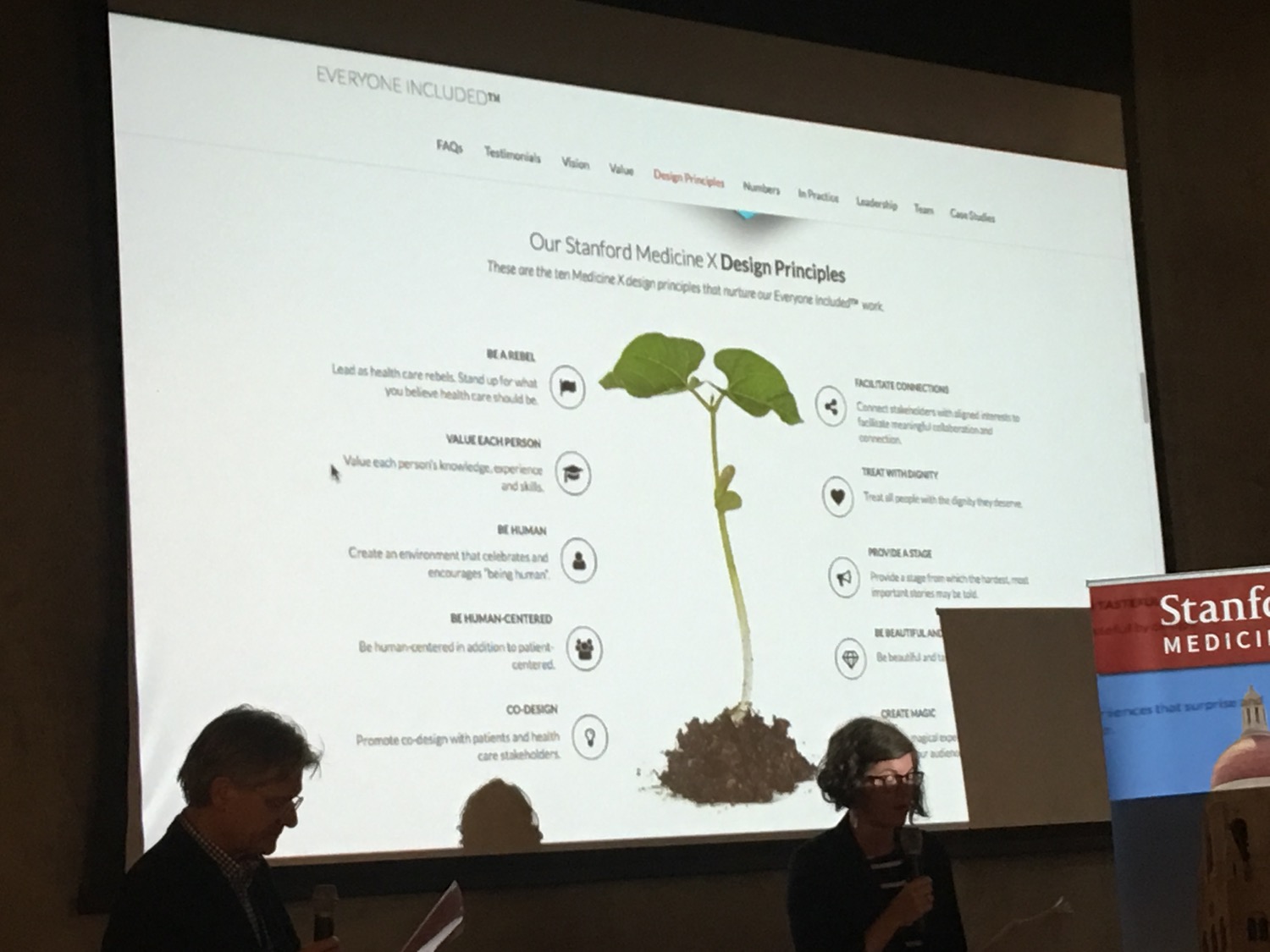
Day two was a workshop on shared decision making. This was meant to be decision making between anyone and anyone else: doctor-patient, doctor-nurse, and family member to family member. Shared decision making was a key theme which dovetailed into one of the main themes of the conference, EVERYONE INCLUDED.

Decisions from the top down can be problematic, and partake of hierarchy. Hierarchy for its own sake is to be banished from medicine. Effective communication, and therefore better results, satisfaction and even safety grow out of shared decision making. This was amply explained an demonstrated across all the varied content of the conference.

Communication needs more than clarity. To be optimal, it is two way, and involves empathy. EMPATHY was another key theme echoed over and over again. As physicians, engineers and designers, we must employ empathy in all our thinking. We need to ask the patients and the users for input at all stages of development. Such a process creates more user satisfaction and better results. 

On day two, we partnered up. Our group was composed of the professionals I mentioned, but also of special “ e-patient scholars”. These were medically sophisticated patients with serious chronic medical conditions who could speak to us about their long experience in the medical system. They were there to help us see through their eyes. I was paired with an older woman in a wheelchair with end stage MS and lupus. Since I have lupus we exchanged notes about that. But it was her MS that was making the critical problems. She spoke about her end of life plan. Even so, she was as pleasant and sparkling as a person could be.

On days three four and five we had presentations from morning until evening, often rapid fire. That is when the conference really took on a life of its own. The conference designers were smart. They had substantial breaks every hour or two, and provided food, and tables, and encouraged everyone to live tweet the conference. The session to break ratio was optimally dialed for stimulation and interaction. All the speakers made themselves accessible, so not only did you hear these phenomenal stories, you met the phenomenal people. Bread was broken and contact information was exchanged. 

Key themes were as follows: 

  • open medical data, especially genetic data
  • open research data 
  • the quantified self 
  • gamification of healthy lifestyle goals
  • getting patients, doctors and researchers together, often through the internet
  • patient education, often self education, through apps and the internet
  • collaborative and integrative medicine
  • collaborative end of life planning

A lot of this came together under the topic of PRECISION MEDICINE. This means care tailored to one's precise condition, down to the genes if possible. It also means giving exactly the right amount of medical care, not too much, and not too little. It also means care tailored precisely to the patient’s wishes. Finally it means oversight so that care dollars are used optimally. 

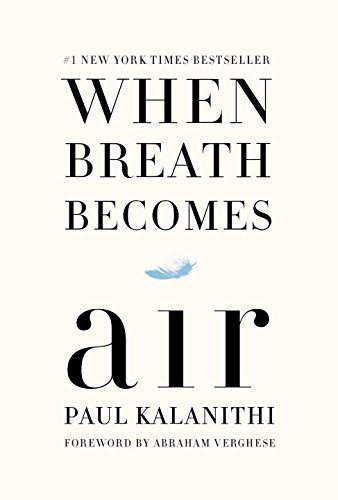
By far the most stunning presentation was that of Dr. Lucy Kalanithi, the widow of Dr. Paul Kalanithi, Stanford neurosurgeon who wrote “ When Breath Becomes Air”. Her presentation detailed the reality of love and connection despite suffering and death in a way that I have never imagined. Her presentation had more power than any I have ever heard. I recommend the book. 

Besides being stunned, I was also charmed. I got to meet so many delightful people who were also talented beyond measure. The same people were uniformly willing to share their insight and experience. Noteworthy among these was Dr. Wendy Sue Swanson, Seattle Mama Doc. She is a Pediatrician, mom, and writer extraordinaire. Check out her website, blog, and book " Mama Doc Medicine".

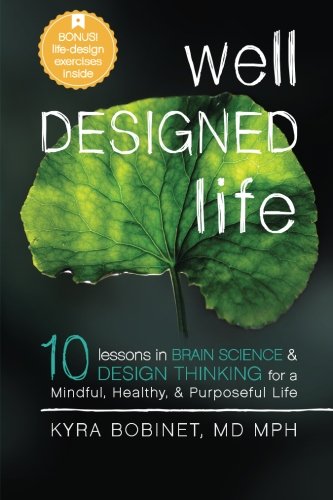
It was also great to meet Dr. Kyra Bobinet, who shares my interest in helping patients realize their goals in fitness, nutrition and health in general. She told me that everything she knows is in her book, " Well Designed Life". I didn't believe her but I can't wait to read it. 

Medicine is moving forward folks, and you will want to come with it. Medicine needs your input to be what it needs to be. Monitor yourself. Get your health data. Try to connect with your caregivers. Tell your story. Listen and see an alternative point of view. Have a discussion.  This is the basis of the future of medicine, medicine 2.0. 

Not nearly everything from the conference is uploaded, but a Stanford MEdx youtube channel exists. Check out the link below and I know you will be inspired. 

https://www.youtube.com/channel/UCK1chhgXNHf7iB5mlqzXODA


Medical Monday: Breaking News from the World of Obstetrics and Gynecology

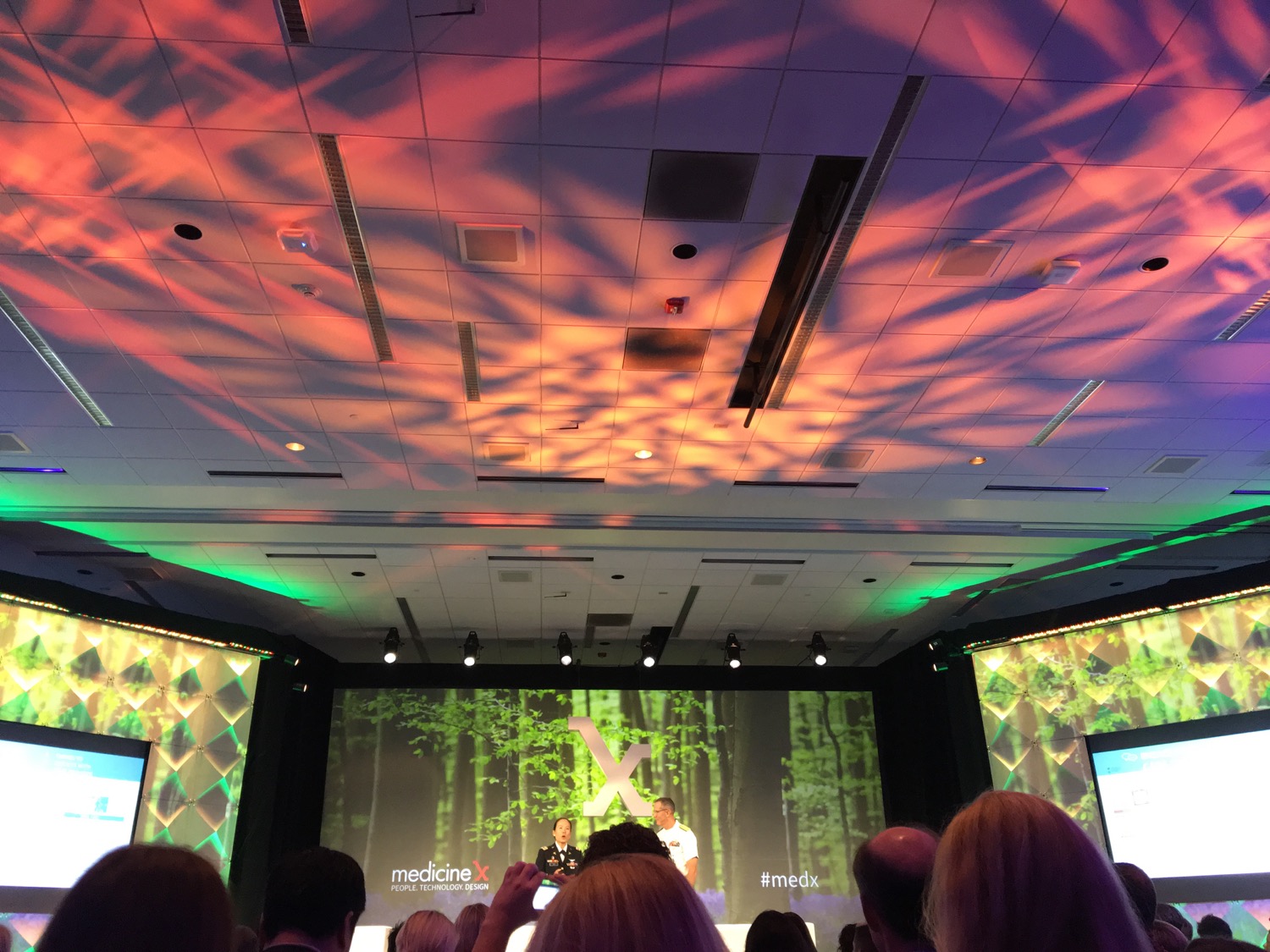
Greetings from the heart of Silicon Valley. Please excuse the blog silence over the last few days as, believe it or not, I have suffered from sporadic Internet connection. I have been attending a very busy conference, Stanford MedX, on which I will fully brief you later. I could not blog at the conference but I took a lot of notes and pictures and they will serve as the basis for my reports to you sometime late on Wednesday. Where I stayed was a beautiful residence deep in a grove of old-growth trees so dense that it interfered with us cellular and local Wi-Fi coverage. So I right now without pictures, I will make this dispatch to you because I think medical Monday is so important. Text will go, but pictures will have to wait.


Some continue to doubt the association of the Zika virus infection with the development of microcephaly. However this latest study should put this to rest. The Journal Lancet Infectious Disease reported work that studied newborn Zika babies both with microcephaly and without. It turns out that babies with microcephaly we're 55 times more likely to have been infected with the Zika virus in utero. However, none of the 62 newborns in the comparison group who appeared normal showed any sign of infection.


Of chilling significance is another story published the Journal of Emerging Infectious Diseases. Those authors note that "for infants about four months and up to eight months of age" babies were "born on average on measures of weight length and head circumference" but "fell even further below average as time passed".


The CDC (Centers for Disease Control and Prevention) has now indicated that Zika virus can spread through "contact with bodily fluids such as tears, discharge from infected eyes, saliva, vomit, urine or stool." This has obvious implications for those living with and caring for those affected by the Zika virus.


Florida may offer free Zika virus testing, but that does not mean women are getting results. Apparently results that take a private lab a few days to report are taking weeks for the state run service. Time is of the essence when inquiring about Zika virus infection in pregnancy, since many women consider the option of abortion if there is evidence that their baby could be or is infected. Access to abortion is more restricted in what now could be called the Zika belt of our country.  Women consider this drastic measure because central nervous system manifestations of Zika virus in pregnancy are often devastatingly severe. We now know they're also potentially progressive even after the baby is born.


A recent poll suggests that the risks of Zika virus to pregnant women have caused some Americans to soften their view on abortion. 62% of voters living in the 10 battleground states in the south and along the Gulf Coast have said that they "support abortions after 24 weeks if a doctor believes there is a serious possibility that a woman's fetus could have severe birth defects from the Zika virus."


As of this writing the funding to combat the Zika virus is virtually spent. The Obama administration as well as the CDC, the American College of Obstetricians and Gynecologists and others have appealed to Congress to put aside partisan politics and fund the fight against the crisis


It is worth reiterating news from last week coming to us from the Zika belt state of Texas. Texas maternal mortality spiked from 18.6 maternal deaths per 100,000 live births in 2010 two more than 30 per 100,000 into thousand and 11 and remains at that level through 2014. This statistic may not seem huge but it has increased dramatically and is a higher rate than anywhere else in the country. It is also higher maternal mortality rate than in most other industrial countries. Numerous writers, ACOG and the State Heath Services of Texas maternal mortality task force all recommend an increase in health care services to women as the solution.


Global maternal mortality rates are not where they should be. The United Nations sustainable development goals (SDG) indicate the rate would have to fall by nearly 70% to meet the target globally of 70 maternal deaths per 100,000 live births. It is felt that this should be accomplished by adding an estimated 18 million Women's Health workers including midwives and obstetricians.


A new study by the Urban Institute has indicated that only 31% of women know about the most effective forms of birth control, the LARCs, the long acting reversible contraceptives. ACOG has said that such IUDs and implants are the most effective reversible contraceptives available and are safe to use by almost all women of reproductive age. Of note, weeks ago it was reported that Puerto Rico, which is greatly affected by the Zika virus, had been given a large supply of IUDs but was unable to fully utilize them due to the lack of providers trained to insert them. LARC use in Texas is on the rise.


The rest of the news in brief:


US preventive services task force recommend screening all nonpregnant adults and adolescents at risk for syphilis, which is on the rise.

The British medical Journal reports that pregnant women with higher ambient glucose levels who are not meeting the criteria for gestational diabetes still have an increased risk of complications. These complications would include preeclampsia and overly large infants (macrosomia). Additionally, related complications are noted, such as shoulder dystocia, which is the condition where babies are dangerously difficult to deliver due to a larger girth at the shoulders.


The national Cancer institute is once again encouraging all children adolescents and young adults 26 years of age or younger to obtain the vaccine against the human papilloma virus, HPV. Only 40% of eligible girls and 21% of eligible boys have received the vaccine. Vaccination rates in Australia and the United Kingdom are in the range of 75 to 92%


In the good news and we already knew this department, an article in the Annals of Oncology has reminded us that use of oral contraceptives decreases ovarian cancer risk by 50%. For the record, having children and breast-feeding them also decreases this risk.


In the good news department, The number of Americans without health insurance has fallen to a recent level of less than 10%. This is attributed to people buying insurance on the Affordable Care Act (ACA) exchange.


Stay tuned for more exciting news from the world of Obstetrics , Gynecology, and Women's Health, next week on Medical Monday.
Medical Monday: Breaking News from the World of Obstetrics and Gynecology

Crying Woman. Tears. Cry.jpg

Vice President Biden has called for the Congress to separate the issue of funding Planned Parenthood from the issue of funding the war against Zika. He has addressed the Republic led Congress in the strongest possible terms. He went so far as to point out the irony of the the fact that the people ostensibly most concerned about the unborn, anti-abortion Republicans, being the least willing to take measure to protect the unborn. Earlier this week, the Senate rejected a 1.1 billion dollar funding bill. Sixty two percent of Americans feel that Congress should approve additional funds to fight Zika, rather than pull them from other programs. 

The CDC (Centers for Disease Control) has reported that Brazil has already noted a doubling of their rate of nervous system defects, including but not limited to, microcephaly. The rate of Guillane-Barre or post viral paralysis has tripled. 

In the mice model, there is some evidence that Zika resides in the eyes. There is speculation, therefore, that it can be spread by tears. 

The WHO ( World Health Organization) has modified their advice for those in or returning from a Zika affected area. Men were to practice safe or no sex for 8 weeks. Now, that recommendation has extended to the same time frame for women: 6 months. This recommendation stands whether or not the couple is trying to conceive. Only 58% of people in the United States know Zika can be spread by sex. 

Not all South American Countries show cases of microcephaly after Zika infection in pregnancy. Not all mosquitos can transmit Zika. For example, Columbia, has had fewer than three dozen cases of microcephaly whereas Brazil has had 2000. Culex mosquitos, which are  20 times more common than Aedes mosquitos, cannot transmit Zika. The sooner basic research is done to find out the reasons behind these observations, the sooner we may get some control over Zika. 

There is other big news. The FDA, Food and Drug Administration, has banned 19 chemicals commonly found in antibacterial soaps, saying not only do they not do any good, but that they actually may do harm. There is concern especially over triclosan and triclocarbon in that they are now felt to promote antibiotic resistance. There is also concern that they may be endocrine disruptors, meaning they may interfere with sex hormones like estrogen and testosterone. Soap and water are the best ways to get clean. While I advise the frequent soaping of hands at work, and routinely upon arriving at home, I prefer my patients avoid soap on the face or any delicate tissues. 

In the good news department, we have several items. First, MRI without contrast appears to be safe in pregnancy. MRI is useful for taking care of pregnant women with many important conditions. 

HPV vaccine provided in the middle school setting met with an 86% adoption rate. This is much better than “ in the wild”. Research of this kind may provide insights into improving vaccine utilization. Maybe some of it boils down to convenience. 

Recent research indicates that use of hormones, in both oral contraceptive and postmenopausal hormone replacement forms, may be responsible for decreasingly mortality rates from ovarian cancer.  Hormone use is known to suppress the ovaries which also seems to suppress the development of this type of cancer. Ovarian cancer is one of the most dreaded Gyn cancers. This is for two reasons:  It usually presents at an advanced stage, and the screening tests for it are not very good.

Help for ovary cancer treatment is coming from an unusual source. IBM’s supercomputer Watson is utilized in a program called Watson for Genomics wherein the genes of known cancer patients are sequenced and uploaded to a database. Personalized treatment plans can be developed for each patient. In the future, this data might be used for better early risk assessment and detection as well. 

Stay tuned next for more breaking news from the world of Obstetrics and Gynecology. Next week should prove very exciting since I will be at Stanford MedX - an amazing conference on innovation in health care. Check it out here : 

http://medicinex.stanford.edu

Food Friday: Feeding the Recovering 

Last week on Food Friday we looked at "Feeding the Unwell". We talked about patients who were quite ill or in the early post op phases. This week we will go on to pleasanter things and talk about the time frame when patients are feeling better, but still are unable to cook healthy attractive food for themselves. 

Nutritional requirements are increased while recovering. In particular, nutrients and protein needs are particularly increased, similar to that for pregnancy. There are other special needs. For example, the need to avoid constipation is key. Those recovering from surgery or whose mobility has been limited are prone to constipation, and this can be a significant source of discomfort. Strategic food choices can help avoid this. 

Those who are recovering may have had antibiotics. They may benefit from probiotics such as yoghurt, kefir, sauerkraut, and kombucha. 

Appetite is often diminished in the recovery period. Foods need to be especially appealing and tailored to the patient’s preferences. It also is best to foster a small frequent meals type schedule. 

Between all this, you as the caregiver or helpful friend have several options: 

  • Bring freshly made food which can be portioned out over time.
  • Bring frozen food which can be heated up.
  • Bring ziplock freezer bag “ Kits” of food for use in slow cookers or fast cookers ( pressure cookers like InstantPot) which the patient might have. 
  • Make sure the patient has enough healthy handy beverages. Consider herb tea, probiotic Kombucha, milk if tolerated and lightly sweetened drinks. 
  • Bring frozen “smoothie kits” containing yogurt or kefir, fruits, and veggies. 
  • Use the secret weapon of some wholesome sweets, .i.e. dark chocolate, or a slice of fruit pie to kickstart a recovering person’s appetite. 
  • Use the secret weapon of salty foods like pickles, salsa or sauerkraut to induce someone to drink more water. 


Here are some of my Pinterest Boards with recipes which may inspire you. 

Instant Pot Tips and Recipes

Paleo Nutrition


Pick dishes with ample protein, fruit, veggies, and fiber. Include healthy fat such as avocado, nuts, olive or coconut oil. For specific information on these, see below: 

Protein

Fiber

Healthy Fat

Smoothies


Here are some tips to make your culinary caregiving experience more manageable and satisfying. 

  • Visit your patient first to see how she really is doing. 
  • Make sure you know her allergies, intolerances, preferences and level of hunger. 
  • Check in regarding who else will be helping, and whether someone else has organized a meal schedule. 
  • Organize a meal schedule yourself using Google Docs or another method of your choice. 


Your patient will not just be well fed; She will have the pleasure of seeing you and the knowledge that you care.  

Wellness Wednesday: The Importance of Neighborhood

Right now I am in the middle of something big with my neighborhood. We are rallying and banding together to prevent the development of a huge water bottling plant in our agricultural and research oriented riverside neighborhood. Yeah, I know ! Outrageous isn’t it ? More on that later. 

I am learning what good people I have around me. I have truly been blessed. My neighbors are educated, considerate, flexible, and well spoken. They are from old to young. They come from a variety of economic and social backgrounds. They have a wide range of politics. But one thing’s for sure, we have some shared values. Those include feelings of stewardship for good soil and our pristine aquifer. 

It goes deeper. I have a sense of having a neighborhood of people who would help me if I had a flat tire. I have seen random busy people stop their cars to help shoo someone’s cows back into a pasture. I would never worry about my kids walking to school. But not everyone has these types of advantages. 

A Rand foundation report called “ Neighborhoods and Health”  indicates the following:

“ Just as conditions within our homes have important implications for our health, conditions in the neighborhoods surrounding our homes can have major health effects. Social and economic features of neighborhoods have been linked with mortality, general health status, disability, birth outcomes, chronic conditions, health behaviors and other risk factors for chronic disease as well as with mental health, injuries, violence and other important health indicators."

reference:

http://www.rwjf.org/content/dam/farm/reports/issue_briefs/2011/rwjf70450

Did you know, for example, that heath habits or disease habits are contagious ? That’s right, things like obesity, smoking, or on the other side, jogging and gardening are contagious too ? Neighborhoods can influence health in this way. 

Even the physical layout of a neighborhood can have its effects. Are there sidewalks, playgrounds and good lights ? A “ bad neighborhood” where it is not safe to walk or play outside severely constrains people’s ability to be active. It keeps people inside with the shades drawn, and bad behaviors like drinking can potentially go unchecked because there is no social accountability.  Such a lonely hostile environment greatly contributes to people’s stress, and of course stress truly contributes to many disease processes. 

Green spaces in neighborhoods turn out to be especially important. These serve as places to congregate and places to play. They also expose people to nature in places where it may be scarce, and research tells us that exposure to nature is beneficial to health in specific measurable ways. Please see my 2015 post on Nature and Health HERE. I remember being delighted with the particulars of what I unearthed when I did the research for this post. 

Here is a strange, wondrous and reproducible statistic:

An increase of ten additional trees on a city block on average, increases self reported health equivalent to a $10,000 annual increase in income or being 7 years younger. That’s right, adding ten trees to your block will add seven years to your life, at least from your perspective. The health they are talking about here is “cardiometabolic conditions” such as heart disease and diabetes. Several studies have tried to determine how this works. It seems to start by getting people outside, more active, with lower stress and lower blood pressure. More green space also seems to help reduce aggression and crime. 

What about the food environment of a neighborhood ? Is there local food ? Is food grown and sold ? Are there bars, grocery stores or convenience stores ? There is such a thing as a “ food desert” and I don’t mean dessert. A food desert is place which has nowhere to easily get healthy affordable food. The food environment has a huge obvious effect on food choices and health. 

Have you ever heard of a Ciclovia ? A Ciclovia is a open street programs that closes major roads to motor vehicles so they can be used exclusively by bicyclists and pedestrians. Ciclovias are being studied in large urban centers like Los Angeles in an effort to increase physical activity and sense of community in urban areas. 

What about sense of community ? What does that do ? This goes back to my original description of our neighborhood. It involves trust. There is trust and accountability in the continuity of these neighborhood relationships. Dan Beuttner, in his book Blue Zones, speaks of the decade-spanning friend groups of Japanese women, the “ moai” and their role in promoting the extreme healthy longevity of these women. The trust and connection of these long relationships provide a basis for the best things in life, such as celebration. 

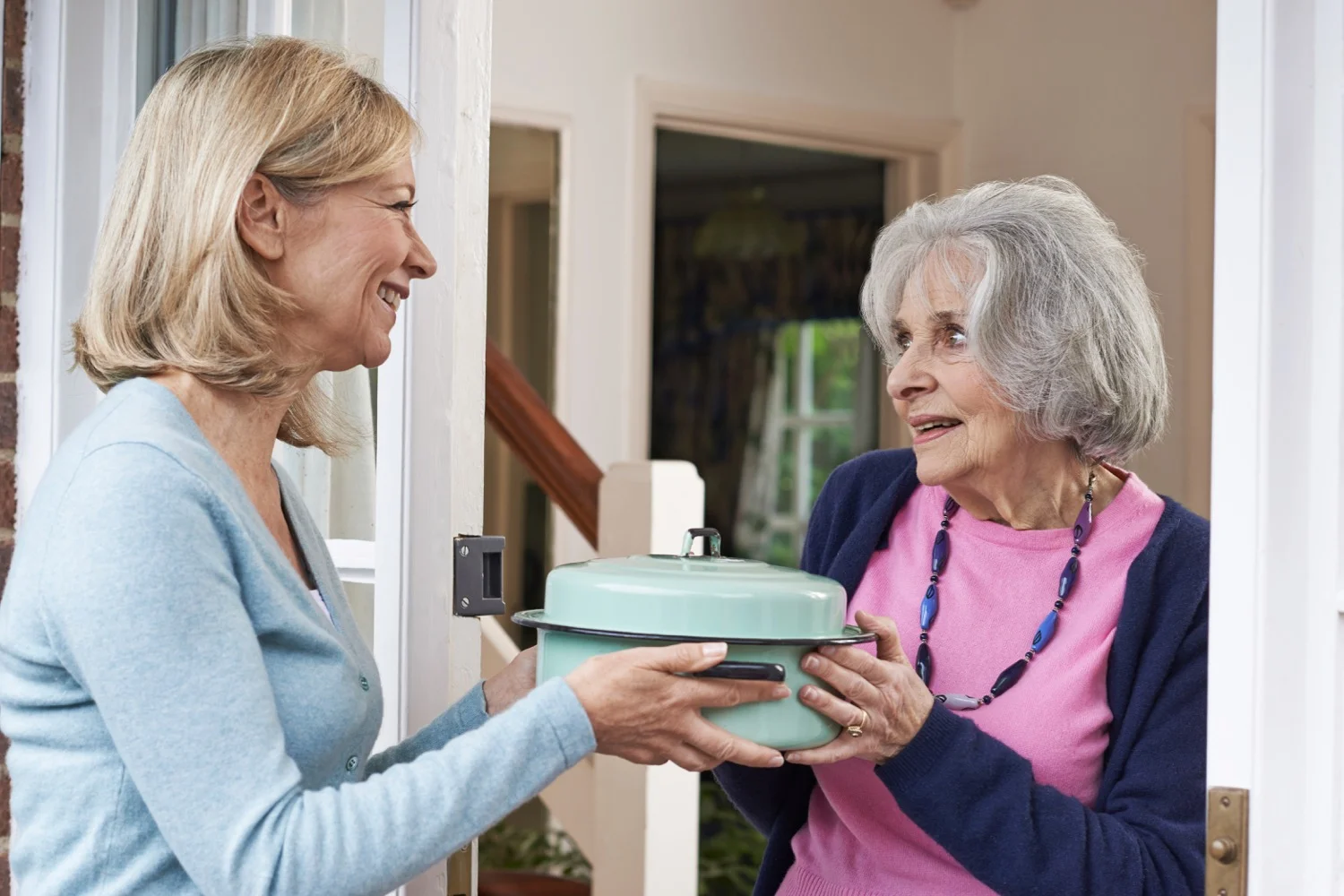
These neighborhood relationships also uphold us when the going gets tough. I can remember nearly 27 years ago, I was between med school and residency, when I was pregnant with Forest. I had preterm labor and was put on bedrest. I was living in this same rural neighborhood, but in a tiny aging cottage which has since been torn down. I had a four year old, and my husband worked long days. Neighbors I barely knew, from newly married young women to aging matriarchs arrived with casseroles and pies. When it snowed, the drive just got plowed. These people became friends, and some have since passed. But their kindness left a permanent mark. 

In my search of Pub Med, which is the US National Library of Medicine at the National Institutes of Health, I found a fairly recent article stating “ The study of neighborhood health effects has grown exponentially over the past 15 years. “ Do not think for a minute that this is not real science nor that there are not real monetary and human resources being devoted to it. 

Neighborhoods affect the physical and mental health of their constituents. One study from the Archives of Psychiatry introduced me to some useful terminology as they highlighted the effects of neighborhoods on health. “ Concentrated disadvantage” was strongly associated with mental health problems for children. On the other hand, collective efficacy (the ability of neighbors to work together) and organizational participation mediated the effects of concentrated disadvantage on the effects of children. 

My neighborhood is demonstrating collective efficacy and organizational participation at its best. We have got our Facebook and Twitter pages for our cause and a great many of us plan to show up at the County Commissioners’ Office  to register our thoughts on the matter. I anticipate the group will bring some scientific and oratorial firepower to bear. 

It turns out that bad neighborhood environments generate their own vicious cycle and good neighborhood environments generate an even stronger virtuous cycle. Understanding this dynamic gives people a handle on how to make things better, no matter where they are starting from. 

How do you make things better ? Twenty two years ago I purchased an unconventional poster to decorate my office. It was shrink-wrapped, and backed in cardboard. When my practice got going, we had it framed and glassed. I still see its message every day. It is by an artist named Karen Kerney, and I will share it with you through an Amazon link. It is titled, “ How to Build Community”. It is for everyone who does not yet have a nice neighborhood to live in. It was ahead of its time. The folk wisdom it contained has now been largely validated by the science on neighborhoods and health.  I hope you enjoy it. 

Medical Monday : Breaking News from the World of Obstetrics and Gynecology 

As per recent precedent and priority, we start with the Zika news. 

Three of nineteen traps in the Miami area have trapped mosquitos which have tested positive for the Zika Virus. New readers will note that this virus is transmitted to humans through mosquitos bites and sex. If a pregnant women acquires the virus, it often leads to severe brain damage to the baby most notably in the form of microcephaly, which means small brain. It also leads to hearing loss. Dr. Anthony Fauci of the National Institute of Allergy and Infectious Disease Control and Prevention warned that microcephaly may be “ the top of the iceberg” and that the full impact of Zika may not be apparent until they grow older. Thus it is of paramount public health important especially with regards to the care of pregnant and potentially pregnant women. 

Zika virus infection can also increase the risk of post viral paralysis,Guillain-Barre syndrome, in those who are infected. New research published in the New England Journal of Medicine has confirmed the association with Guillain-Barre in seven different countries.

The FDA has recommended that all donated blood be screened for Zika, even in places where the virus is not present. Zika testing is currently expensive and time consuming, but officials feels this is necessary, given the seriousness of the infection and the fact that many Zika infections are asymptomatic. 

The mosquito vector which carries the Zika virus has a territory spanning only part of the United States. For this reason, officials believe the sexual route of transmission may become more important here that mosquito transmission. 

The director of the CDC (Centers for Disease Control) has stated that federal funds to fight the Zika virus will be exhausted by the end of September. It has already spent $194 million of the $222 million it was allocated. Congress must then act to provide funding to fight the virus effectively.

Postmenopausal hormone therapy is back in the news. Current practice is largely dictated by a landmark study called the Women’s Health Initiative (WHI), which was released in 2002. One of the principal investigators of the WHI, Dr. JoAnne Manson, said the “ WHI findings have been seriously misunderstood and misinterpreted. She indicated that the benefits still outweigh the risk for women of average risk for breast cancer." Aye there’s the rub. To calculate risk, you will need to have a good history taken, including a family history, a physical exam, a mammogram, and maybe even a visit to the genetics counselor. The plot thickens. 

Texas maternal mortality rates have doubled in the last four years and no one knows why. Numerous commentators have now published about this, and most have noted the political and funding challenges to women’s health care there and in the whole bible belt. There is serious speculation as to whether slashing funding for women’s health and the increase in maternal mortality is related.  Some would say that amidst the ardor to defund clinics which provide reproductive health care services like abortion and contraception, that Texas has also weakened its ability to care for pregnant women. In effect, Texas may have shot itself in the foot. It is believed that family planning clinics are an entry point into health care for many women of modest means. It is often the place where pregnancy is diagnosed. Without these clinics, prenatal care is delayed or absent. An editorial in the Dallas Morning News indicated that if were Texas a country, it would rank 31st in the OEC (Organization for Economic Cooperation and Development) for maternal mortality.

Unpacking this further we see that this jump in mortality is predominantly occurring in black women. Heart problems, prescription drug overdoses, and hypertensive disorders of pregnancy like preeclampsia (aka toxemia) are the leading causes of death in these women. I can tell you that to properly follow a women with cardiovascular or blood pressure problems in pregnancy is big undertaking. It involves frequent if not weekly visits, fetal monitor strips, serial Ultrasounds, and social support so the patient can rest. Maternal mortality is the worst complication one can imagine. Complications can happen anywhere, but deaths should be a rarity if care is adequate. According to research in the Journal Obstetrics and Gynecology, Texas maternal mortality rates are the worst in the nation and among the worst in the developed world. Truthfully it’s a disgrace. 

In the practicing medicine without a license department, Ohio passed a law in 2011 stipulating that providers of medical abortion had to use a FDA ( Food and Drug Administration) protocol for the doses of the 2 medications involved, mifepristone and misoprostol. Basically the law required them to follow the package insert, or “ the labelling”. This protocol was developed in 2000. By 2003, specialist organizations such as the American College of Obstetricians and Gynecologists and the World Health Organization, found shortcomings with the protocol and recommended changes in the package insert, allowing for the simpler and more effective dosing protocol, but also the evidence based extension of the gestational age for which the drug would be effective, and the ability for women to take the medication at home. However these changes weren’t made due to political reasons.  It now appears that since the law was enacted, women taking the suboptimal dose are more than three times more likely than before to have complications requiring additional intervention, often surgical. In other states without this law, medical providers would simply follow the most up to date recommendations of their professional governing body, including an up to date dosing protocol, regardless of the FDA labelling. This is called “ off-label use” of FDA approved medications. In many cases, in many fields of medicine, off label use is common and necessary to take the best care of patients. Up until May of this year, however, it was illegal to do so in Ohio. I wonder what they did to the rebel caregivers who gave the correct doses ? It would be tough to be a doctor in this climate. If the law didn't get you for off label use of meds, the lawyers could for knowingly giving a potentially unsafe dose of a medication to a patient. 

In May of this year, the FDA corrected the package labeling to reflect the most up to date science on the subject. Regardless of how you feel about abortion, you would not want to give a patient part of a dose of medication to only evacuate her uterus partially, since this can cause hemorrhage and infection !  Dangerous !

You may recall that a few weeks past I reported on the decline in teen pregnancy. At that time we were not precisely sure why. However, now, parsed the data and we have nailed it down. Drum roll please…..It’s…. you guessed it…. contraception !!! It turns out sexual activity did not vary in that time frame. Use of contraception did. It increased from 86% use from 78%. Science !

Perform labor is in the news. The causation of preterm labor has remained a bit of a mystery. To show you how nascent is our science, I present the findings of two recent studies, both retrospective. The first, published in the Maternal and Child Health Journal examined 400,000 births. Resistance to preterm labor seemed to be conferred by three things: birth spacing, optional weight at the beginning of pregnancy, and appropriate weight gain in the pregnancy. Pretty vague, I grant you. Next, is an NIH(National Institute of Health) study of 200,000 women. In this group  they were able to unearth the uncanny fact that women exposed to extremes of temperature early in pregnancy were more likely to deliver preterm. OK. What if they wore appropriate clothing and used climate control devices ? Gosh that is unhelpful information. Whereas, any old crusty Obstetrician can spot preterm labor risk as it walks through the door. She or he might notice the frenzy with which the patient blew in, the smell of cigarettes, the poor nutritional status, or poor dentition (teeth). We need studies which tell us about factors we can change - not the weather ! 

Stay tuned for more breaking news from the world of Ob/Gyn next week on Medical Monday. 
Food Friday: Feeding the Unwell

The natural follow up to Wellness Wednesday’s post about visiting the unwell is one about feeding them. I guess I am a true Jewish mother in this regard, since feeding people is one of my love languages. 

I wrote a post about “ Food for Healing” last February (HERE) when I was talking care of my son who was recovering from a femur fracture. I am inspired to write again, since is dear friend is recovering from surgery, and I am in the role of support person instead of physician. 

When people are under the weather their tolerance for food and drink becomes limited. There may be very little tolerance at all, such as when they are nauseous. Or, their doctor may have made them “NPO” or ordered that they take nothing by mouth. This may be because they need to have a empty stomach before surgery. If they do not have an empty stomach before surgery, theyhave an increased risk of aspirating stomach material into the lungs while under anesthesia. After surgery, the doctor may have prescribed that they advance their diet slowly and stepwise. Be sure you know their status before you go bringing them food. 

For those that are NPO, I like to bring something for them to partake, even if they cannot eat. Often I bring aromatherapy oils to apply. These are the natural kind, since synthetic fragrance can provoke nausea, headache, or allergies. I favor lavender, which seems to help nausea, and the citrus oils, since they have been shown to improve mood. 

Also for the early post op, I like to provide a source of music. Numerous studies have shown music helps the healing process and decreases requirements for post op pain medication. Shakespeare, the great bard, said that music is “ the food of love” so it is no wonder that it helps. Patients these days still maintain control of their smart phones, so what they tend to lack for is a bluetooth speaker. There are many great ones on the market now which are small, high quality, inexpensive and even waterproof. Buy one and lend it, or make it a gift. To spend less, lend a pair of earbuds which they may have forgotten. To learn more about music and healing, check HERE

Those that are just beginning to advance their diet are usually placed on “ clear liquids”. This means just what it says. Their virtue is that they are easy to absorb, are generally not irritating, provide hydration, and will not cause serious problems if they are accidentally aspirated into the lungs. People wake up groggy, and could choke on food or drink if they are too medicated or groggy.

When a patient “ goes to sleep” from anesthesia, her bowels go to sleep too. To function, the intestines need to move. This is one important way that they accomplish digestion and move material down the line. If a patient advances their diet too quickly and puts bulky foods into a sleepy gut, digestion cannot happen properly and the patient feels worse. 

Clear liquids in the hospital are sometimes very sugary. I find homemade or store bought organic broths are a better choice. Herbal tea is ideal. Also, some people like a little sweetness by mixing 100% fruit juice diluted with water, herb tea or club soda. Regardless, it all should be given in small portions. Post op patients are often very tired, and sitting in a reclined position, so straws are helpful, and they are usually provided by the hospital. 

Even when patients advance to regular diets, their capacity to eat will probably be reduced. Do not get too excited and bring big baked creations unless there are plenty of healthy helpers, guests or family to feed. Stick to simple items like fresh fruit in small bites with plain yogurt. Offer soups, such as chicken soups, as it is full of electrolytes, vitamins and protein. For more help with chicken soup, check HERE and HERE

Visiting the sick and helping the to get their strength back with appropriate foods is a great way to show you care. 


Wellness Wednesday: How to Visit Someone in the Hospital 

On first glance this seems self-explanatory. However, a few tips may make things easier. 

If you are uneasy about visiting the hospital, figure out why. Are you afraid of embarrassing the patient ? Do you not like hospitals ? Do you fear illness yourself ? Figure out your reasons and decide if they are reasonable. Remember that the visit is for the benefit of the patient, and that it is an act of care. People in hospitals can very easily feel isolated, as though everyone else is out there living life to the fullest…but them. 

Call beforehand. Based on circumstances, call the patient, her significant other, or perhaps the nursing station of the ward that she is on. Find out the visiting hours, if there are any, and whether or not a visit is appropriate. When you call, ask if the patient needs anything from home or from the store. Sometimes little things can make a big difference, i.e. gum, or their iPad. 

Consider bringing a small gift of your own. However, when considering gifts of or drink, make sure you know the patient’s dietary limitations. In the hospital, dietary restrictions are common, such as during the time before and after surgery, or stroke. When considering flowers, make sure they are permitted. Some units cannot have them because of infection risk. If the patient can do things to pass the time, consider bringing activities that he or she will like, such as card games. 

When you arrive, check in at the nursing station and with the patient’s nurse. Wash your hands. Once in the patient’s room, it is important to suss things out. It may be a time for visiting and joking, but it also may be a time to just be present in silence. Either way, it is a comfort. Even without a lot of conversation, just being there is very beneficial. On the other hand, patient’s still like to hear about what is going on in their friend’s lives as they would normally. If the patient is too tired to read, they might like having the paper read to them. Do remember that hospitalized patients are almost always tired. Watch carefully so that you do not stay too long, to that there are so many guests that the patient feels overwhelmed. 

Do not ask prying or personal questions about the patient or the illness. If the patient wants to talk about them, be a good listener. Even then, do not pry. Do not ask the nurses, doctors or other staff about the patient’s condition. They are not permitted to discuss the case without the patient’s permission, and asking right then might be uncomfortable. 

When you are there, consider offering material help to the patient or to her helpers. She may need kids shuttled, dogs walked, or lawns mowed. You could even offer to set up a google doc or some equivalent to coordinate the helpers if the need is extensive. 

Consider helping your friend after they transition back to home. Getting around will not be the same even if they are stable enough for discharge. Plus, hospitalized patients get a lot of attention to help them through. To have that come to a screeching halt upon discharge would not be all that fun. Connection, not isolation, is essential to healing. 

Most major religions, certainly Judaism and Christianity, include visiting the sick as a formalized duty. It represents the best of society, and embodies compassion. The secret is, it blesses the visitor as much as the visited. 

Medical Monday: Breaking News from the World of Obstetrics and Gynecology 

Zika again dominates the news in Ob/Gyn. As of Friday, a storm system was approaching the subtropical state of Florida, where 43 are confirmed infected with the Zika Virus. Authorities think the storm may help spread the virus which is transmitted by mosquitos and sex. Meanwhile, the CDC (Centers for Disease Control) does not have enough Zika testing resources. I myself experienced this last week when I was told a specimen we sent to the CDC would take “weeks” to result. We Ob/Gyns are not able to effectively work in time frames like this, and so this week we will have being having some words with the powers that be. 

A new study published in Radiology has shown that Zika can cause many other brain defects besides microcephaly. They have thus far identified 8 major defects. One of the most common was ventriculomegaly, or enlarged ventricles and thinning cortex. 

Thus far the Florida outbreak has been clustered around Miami. However Thursday, an isolated case showed up some 250 miles to the north in Tampa Bay, Pinellas county. It is still unclear how this occurred. On the bright side, modeling done by researchers at the University of Florida has indicated that the total outbreak should limited to under 400 individuals or less, considering all the southern states. They also believe winter will stop the outbreak, which would then recur next summer the same way. It is estimated that 20,000 pregnant women in the Miami area are taking extreme measures such as confinement indoors or moving to avoid Zika infection. 

NewYork officials are noting that travel restrictions to Zika affected area not being properly observed by pregnant or pre conceptual women. How do they expect people to take these restrictions seriously when they gave full sanction to people traveling to the Olympics in Rio? 

Dr. Kristyn Brandi writes that Zika is spreading more rapidly than anticipated in Puerto Rico, and that resources of information and contraception are not adequately available. 

The chair of ACOG (American College of Obstetricians and Gynecologists) has written a strongly worded piece which has criticized how politics has prevented the funding of an adequate Zika response. He and co author, Dr. Didi Saint Louis of Morehouse School of Medicine have called for the full funding of comprehensive reproductive health care to allow women to avoid or delay pregnancy. They have called on Congress to reconvene to deal with this. 

In the non-Zika news, HPV virus is in the spotlight. This virus is responsible for abnormal paps, and cervical cancer, among other things. It has an effective vaccine which is meant for young people between the ages of 9 and 26. However parents remain wary to give it to their children. Research is being done regarding the prospect of putting it on the list of already mandatory vaccines which must be done before school entry. Surveys show that parents would accept this as long as there was an opt out provision. As of 2014, only 40% of girls and 20% of boys were vaccinated. It will be interesting to see if there will be those who decline the Zika vaccine once it gets developed. 

Breastfeeding is practiced by about 80% of all American women when they leave the hospital. However less than a third keep it up for the recommended time. The American Academy of Pediatrics has recommended that infants should get nothing but breast milk for six months, and that breastfeeding should continue one year. 

Co-sleeping beyond six  months has been shown to produce significant stress on women. Researchers at Penn State note this may be related to fragmented sleep and less time with partner. Perhaps this is related to the falloff in breastfeeding. 

In the everyone-already-knows-this department, researchers at UCLA have discovered that menopause accelerates aging. In all fairness, what they have determined is that methylation increases in menopause, accelerating cellular aging about 6 %.

And in the we-should-have-known department, the “ baby simulator” program in high schools designed to deter teen pregnancy may actually be encouraging it. Graduates of the program with over third more like to have a teen pregnancy. 

Stay tuned next week for more news from the amazing world of Obstetrics and Gynecology.  

Wellness Wednesday: Back to School 

Parents all over the world are experiencing one of the biggest transitions of the year: back to school. Whether you have grade schoolers, high schoolers or kids bound for the university, it is bound to have a big effects on your routines of daily life. And that in turn, has effects on your health and the health of the family. 

Summer can be a relaxing time when people are more physically active. Or it can be hectic with guests, vacations, and the routines can go out the window. Take a moment to assess your summer. Determine how you would like to capitalize on the transition back to school. 

For families with kids of any age, getting back on a good sleep wake schedule is key. Start at least a week early. Get back on a good meal and snack time schedule. You should be on that schedule anyway ! 

Sit down with kids of any age and go over their school supplies. Let kids have as much independence as possible in picking their supplies. These are important expressions of individuality. 

For university students, sit down and discuss finances. Establish a realistic budget regardless of where the money is coming from. Make sure they know how to balance a bank account and look up any card balances. Discuss expectations well in advance. 

For school clothes, don’t go crazy. Start by asking kids to tidy up their room and go through their things. Younger ones will need help with this, but let them do as much as they can by themselves. Encourage them to get rid of as much as they can, but go through it later yourself for things you might need to keep for younger children or other kids whom you know. Establish a habit of giving to Goodwill, and likewise, regardless of your finances, teach kids that it is reasonable to check second hand stores for things they might need. This should be given a air of boho environmental cachet, as well as frugality. After that, establish a budget and go shopping, but just get basics until your child reinvents themselves again for that year. 

Make it easy for kids to stay organized. Have an area such as a mudroom with hooks and cubbies for kids to put their things. Additionally, each child, whether large or small should have a desk area of their own if at all possible, even if they have to share a bed. This can be organization central for them. Consider having a family wall calendar, so everyone can see what family activities are coming. 

Teaching kids early on to have a routine will save them tons of stress. There are routines for sleep, eating, exercise, homework, after school activities, family time and play. Teach kids by example. Make sure you have good habits yourself. Then everyone will have a productive, low stress, enjoyable school year. 


Medical Monday: Breaking News from the World of Obstetrics and Gynecology

In sobering news, results from a study using mice as a model indicate that children's and adult's brain cells which are critical to learning and memory might be susceptible to the Zika virus. Zika may be able to infect neural progenitor cells which serve to replenish normal neurons over the course of a lifetime.

Meanwhile, a second local Zika out break may be beginning in Miami Beach Florida. Louisiana is bracing for Zika in the wake of recent flooding since flooding affords more mosquito breeding grounds. Finally Puerto Rico has declared a state of emergency due to the Zika outbreak. Zika has infected about 10 thousand people there including over 1000 pregnant women. The CDC (Centers for Disease Control) estimates that 10,000 pregnant women could be affected before the end of the season. 

The head of ACOG (American College of Obstetricians and Gynecologists) has written a piece highlighting Florida as the worst place to be a pregnant woman. He cited the combination of three things: the threat of Zika, restrictive abortion laws, and the lack of funding to fight the virus. 

CDC director Tom Frieden has indicated that there is now thought to creating a $300 million dollar “ rapid response reserve fund” to combat infections disease such as Zika. 

The CDC is becoming concerned that sexual transmission of the virus can spread beyond its natural geography beyond the territory of the Aedes mosquito. The CDC estimates that the public underestimates the risks of transmitting Zika sexually. 

Brazil has been on the leading edge of the Zika epidemic. Fifty years ago they once combatted this virus. However, they fear this time it will not be so easy. They do believe their mosquito control efforts are yielding results. However, they are beginning to discover the long term medical consequences of Zika. 

According to researchers a the University of Kansas, Zika is unlikely to spread the the majority of North America, however is could plausibly spread to Africa and Southeast Asia. 

In other news, OB/GYNs are in short supply and the supply is due to become even shorter incoming years. Although the field is rewarding in many ways, there are also many disincentives associated with it as well, such as risk of lawsuit and grueling hours. 

The US fertility rate has plummeted to the lowest point on record. Some factors are that women are delaying pregnancy, teens are having fewer pregnancies, and more women are choosing to have no children at all. The first quarter of 2016 saw 60 births per 1000 women, half that of the 1950s. Forty years ago, women had their first baby at 21, on average. In year 2000 it was about 25. Now it is over 26 years of age. It is speculated that the economic downturn may bear on this. It is also speculated that women are increasingly concerned with stability, turning attention to being financially solvent, with adequate education, good jobs, and lower debt. 


Stay tuned next week for more breaking news from the world of Obstetrics and Gynecology.  

Food Friday: A More Complete View of Workout Nutrition

Last week we talked about the basics of targeted workout nutrition. This week we will get specific. And we will not talk about all the glossy prepackaged products on the shelves of stores. It turns out that some simple inexpensive choices which anyone can get at an ordinary grocery store make ideal workout supplements. 

It turns out to be good to divide workout nutrition into three categories: pre work-out, during the work out, and post workout. It is also useful to differentiate between nutrition for mostly weight workouts from that for mostly cardio workouts. 

Many of these differences are summarized nicely in an infographic on Greatist.com, which they have encouraged people to repost. I have included it here since I think it is clever, useful and attractive. 

Get health and fitness tips at Greatist.com

Wellness Wednesday: Unpacking the Seven Principles 

Last week in the post entitled “ Couple’s Wellness “ I referenced the work of Julie and Stuart Gotten of the esteemed Gotten Institute and the Seattle Love Lab. I introduce their book entitled “ The Seven Principles for Making Marriage Work”. However we didn’t really go into what those principals really are. This week I will give you a thumbnail sketch of each in the hopes that you will be interested enough to pursue more study. They are as follows: 

  1. Enhance Your Love Maps
  2. Nurture Your Fondness and Admiration
  3. Turn Toward Each Other Instead of Away
  4. Let Your Partner Influence You
  5. Solve Your Solvable Problems
  6. Overcome Gridlock
  7. Create Shared Meaning 

Enhance Your Love Maps

The love map is a term for the area of the brain which holds all the information about your partner. The Gottmans propose that having a detailed love map of your partner enables you to love better, and weather challenges more easily. This is done by concerning yourself with all the things that are important to your partner and keeping up to date with what is going on in their life. 

Nurture Your Fondness and Admiration

Fondness and admiration usually exist at the beginning of any relationship. However, as time passes and life’s difficulties are encountered, they may diminish. Expending effort to deliberately keep these past memories and present feelings of fondness and admiration alive will prevent bad feelings from developing in their place. In particular, the Gottmans state that fondness and admiration are the antidote to contempt. 

Turn Toward Each Other Instead of Away

A couple’s connection is built of many small connections throughout the course of everyday life. When one partner reaches out even slightly in speech or gesture, the Gottmans call this a bid. If the other partner turns away from (disregards) the bid, the bidder is slighted and some degree of detachment or irritation takes place. However, if the partner turns toward the bid responsively, their connection is strengthened. The Gottmans teach that a tendency to turn toward your partner’s bids build trust, goodwill and emotional connection. 

Let Your Partner Influence You

The Gottmans have found that partners who share power are more likely to have happy and long lasting marriages. Part of sharing power is allowing influence to flow back and forth. In these marriages conflict prompts a search for common ground. 

Solve Your Solvable Problems

This sounds hard at first but the Gottmans break it down as follows: 

  1. Soften your start-up. 
  2. Learn to make and receive repair attempts.
  3. Soothe yourself and each other.
  4. Compromise.
  5. Prices any grievances so they don’t linger. 

These are the features that an effective problem solving session needs to have. They liken good problem solving to that done between respectful professionals or esteemed guests. 

Overcome Gridlock

The Gottmans assert that gridlocked issues in a marriage touch on deeply held beliefs or wishes, or each partner’s dreams for their life. If partners sit down with each other and try to discern the real basis of the tightly held position, then perhaps a common ground can be found. 

Create Shared Meaning 

The Gottmans assert that a real marriage is more than the sum of its parts. By parts I mean living or loving each other, raising kids competently, and having sex. Instead, they argue, the couple must create a their own unique culture, which incorporates both partners' closely held beliefs and dreams. The Gottmans have identified four aspects of creating shared meaning:

  1. Rituals of connection, such as a family sit down dinner 
  2. Support for each other’s roles
  3. Shared goals 
  4. Shared values and symbols.

This will give us all a lot to think about until next week on Wellness Wednesday.