Medical Monday: Breaking News from the World of Obstetrics and Gynecology 

Zika virus again begins the headlines. It has now been well established that Zika virus can be sexually transmitted. The CDC ( Centers for Disease Control) has recommended that men returning from Zika affected countries take special precautions if their partners are pregnant or apt to become pregnant. They are advised to abstain or use protection through the duration of the entire pregnancy. The primary method of transmission is still believed to be through mosquitos, however, Zika has recently been isolated from both saliva and urine. 

Zika’s devastating effects on the unborn are similar to effects caused by the more well known viruses Rubella and Cytomegalovirus (CMV). Zika virus is associated with microcephaly (small underdeveloped brain and skull, with attendant developmental disabilities) and eye defects, and so are CMV and Rubella.  Researchers are turning attention back to these better understood viruses to get clues about how the ZIka virus functions. 

Additional recommendations from the CDC and ACOG ( American College of Obstetricians and Gynecologists) include testing all women living in or returning from ZIka infected countries. The US Olympic Committee has reiterated the CDC cautions, but has not issued any prohibitions against anyone going to or participating in the games. 

In the interesting and promising department, Columbia has recorded over 3000 cases of Zika infected pregnant women. To date, no cases of microcephaly have been reported there. The reasons for this are uncertain. Post Zika Guillaine Barre syndrome has been studied in Columbia as well. Guillaine Barre is a reaction to certain viral infections which produces a usually temporary paralysis. It can be life threatening since it can paralyze the respiratory muscles. Columbian officials have noticed a 66 % increase in Guillaine Barre reactions compared to baseline. 

President Obama has asked Congress for 1.8 billion dollars in funding to combat the Zika Virus. As of Friday, there are 79 cases of Zika in the United States. 

Influenza is another viral danger which continues to deserve our attention. The good news there is that we have an effective vaccine. Flu vaccine is very important to pregnant women, since pregnant women are much more vulnerable to serious disease if they contract the flu. New research indicates flu vaccine in pregnancy is most effective if given in the first trimester. 

There are other situations which can cause serious birth defects. One is exceedingly common: alcohol. Last week the CDC made news by recommending that pregnant women abstain from all alcohol. They also advised health professionals to advise women to stop using it even if they are just trying to become pregnant or, more interestingly, are simply having unprotected sex. 

Frankly, these do not see like radical recommendations to me.  They certainly do not seem mysogynist or anti-women. However, that is how some women are reacting. The blogosphere has been ablaze with what is, in my opinion, inflammatory rhetoric, saying that the government is trying to "take over women’s bodies", and other such nonsense. I wonder what these commentators think of the draconian measures recommended by South American governments to keep pregnant women from getting Zika ? Authorities have advocated that women not get pregnant for two years, and if they already are, to cover themselves and stay inside. 

Here is an issue that may have a feminist component. Consider that only women must buy feminine hygiene products. They buy them in profusion, regularly, and all throughout their reproductive life. Some people believe that women should not have to pay sales tax on such products. President Obama is in favor of ending the so called “ tampon tax”. 

Viruses and alcohol can cause serious birth defects. While smoking does not, it is strongly associated with growth restriction, low fluid, abruption, and preterm birth. CDC data indicate 8.4 percent of pregnant women smoke. 

There us no doubt that our collective concern over the exotic and seemingly uncontrollable threat of Zika virus is justified. However this threat to pregnant women and others should be blended with renewed and commensurate concern for equally serious threats which we can address: smoking and alcohol. 


Food Friday: Food for Healing

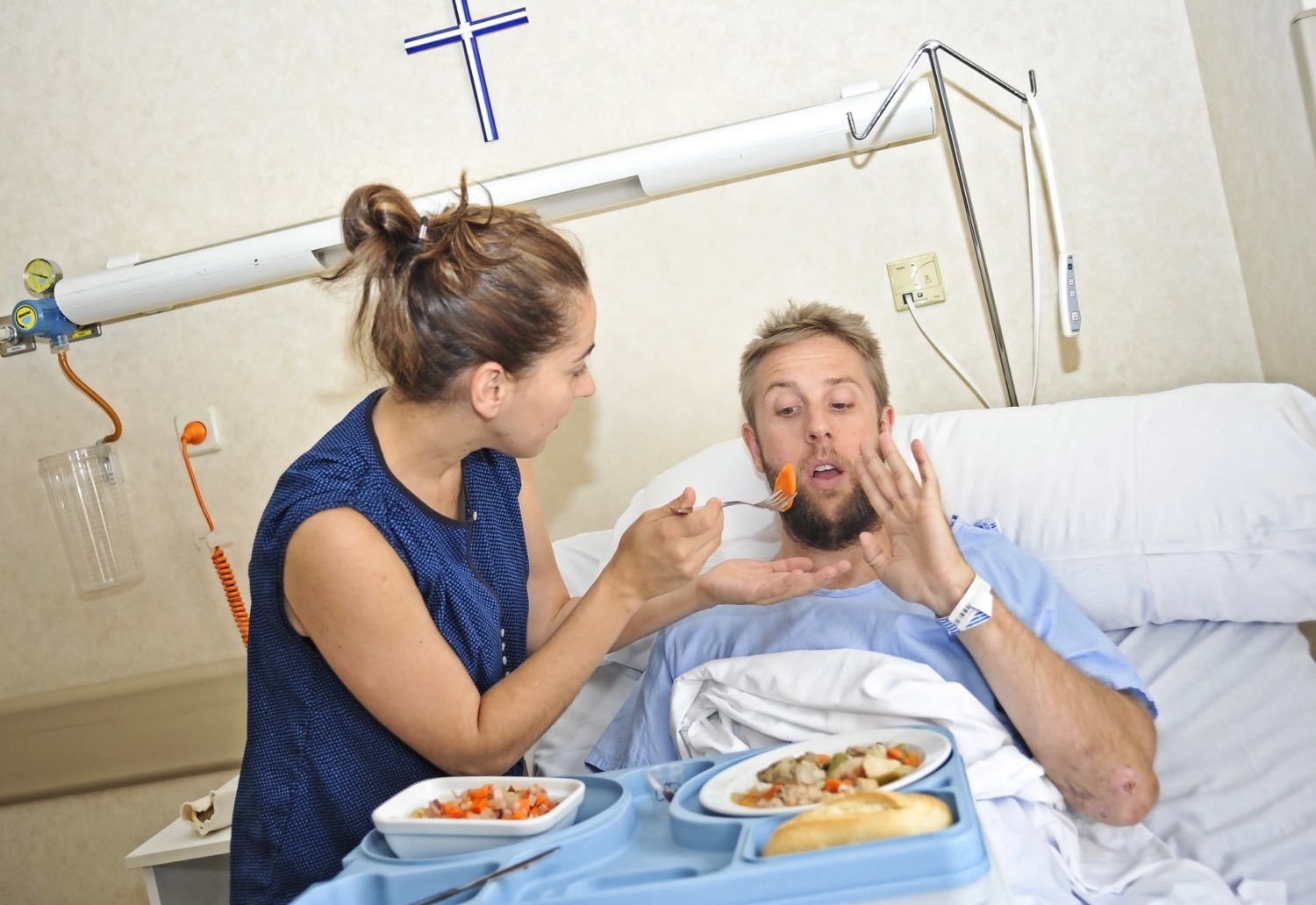
As most of you know, we spent the better part of the week nursing our 22 year old son after his ski accident. He sustained a badly fractured femur requiring a long surgery which entailed significant blood loss. He also had a mild concussion, pulmonary contusion, and a broken rib. He is stable and improving. But his course has illustrated several important things about nourishing those who are recovering from illness or injury. I thought we might take a moment and discuss them here, especially since it has been on my mind. 

When people come home from the hospital, most of time, their IV is removed. They will come home adequately hydrated. However, that can quickly change, since their capability to hold down food and drink is often limited. Your job as caregiver is to help minimize nausea which may be interfering with hydration, and to provide appropriate enticing liquids for them to sip. If your “ patient” did not come home with anti-nausea medication, and needs it, do not hesitate to call their doctor. Most of the time this can be prescribed over the phone, but sometimes, nausea heralds a concern, and the patient will be asked to come in for an evaluation. 

Another way to minimize nausea and maximize intake is to avoid overuse of narcotic pain pills. The most common are lortab and percocet, aka hydrocodone and oxycodone. These are necessary with early post ops, but they can cause nausea and constipation. Ask your doctor how they should be used if you are not sure. 

Sick or injured people do not always know what they need. It is up to the caregiver to encourage them in the right direction. In this regard, many patients will not want to drink as much as they ought. So you have to be clever. 

Hydration of the unwell is best accomplished gradually and continually. This way they are more apt to tolerate it. It is also best accomplished by fluids which contain some sugar and some electrolyte (like IV fluid!) . 

For starters, let’s do water. Some who cannot drink water can drink soda water, aka plain club soda. Even more can drink this with a splash of fruit juice or a wedge of lemon or lime. Some do well with dilute fruit juice. Decaf instant iced tea works well. Oftentimes having it quite cold will help, but this is suboptimal if your patient is chilled. Some do better with frozen cubes of the aforementioned drinks. 

On the other hand, many patients prefer hot drinks. Herbal tea is the go-to here. You can make it more appealing by adding honey or agave, and a little lemon. Decaf coffee is not a bad choice, but lots of caffeinated coffee is dehydrating. 

Some patients prefer savory or salty drinks. This is an advantage since it will better expand their intravascular volume. Here broth is the best solution, unless they can take something like Bloody Mary mix, or salted tomato juice. The best of all is a brothy chicken soup, just like tradition teaches us. Nowadays organic broth mix is widely available commercially in chicken, beef, and vegetable flavors. 

You can also hydrate your patient with watermelon if they like it. Most fruits will help, and a smoothie of fruit, ice, water, juice, and even plain yogurt can be very agreeable, even to one who is sick. 

When patients are doing well enough to take solid food, there are a few key nutritional points to bear in mind. Healing from illness and injury takes more resources than ordinary life - lots more resources. A man needing 70 g of protein a day will come to need over a hundred. He will need more nutrients too, though he may not necessarily need more calories. Therefore, everything a recovering person eats should be nutrient rich. Leave the top ramen, Pepsi, and white bread for another day - like NEVER. Present choices such as chicken, salmon and red meat, but prepare them in a way that is easy to eat. For the meat and chicken, cook it well, ground or in small pieces. For salmon, consider getting canned salmon and making it up like tuna fish salad with mayonnaise, relish and olives. But beware, if your patients are picking at their food or dairy containing drinks, the dishes cannot stay out too long, or they will spoil. The last thing you need is a recovering patient with food poisoning. With the same goal in mind, don’t put too much on a serving plate. Start with a small serving and get seconds if you need to. And, for best results, offer small quantities of food quite often. 

Caregiving is hard work. With a little forethought and a few tricks of the trade, your well hydrated, well nourished patient will have the best chance at an optimal recovery. 

Wellness Wednesday: Recovering from a Serious Injury

image.jpg

This last weekend my son Vale had a major skiing accident. He broke his femur, had a pulmonary contusion, a broken rib, and a mild concussion.  He had to have emergency surgery. We quickly travelled to attend him, and since then we have been making arrangements for his recovery care. 

Though he will be off school for a time he will stay at college and we will return home. Therefore, I have been working with a team of friends and relatives to accomplish his care. This will, of course, consist of a series of wound checks, physical therapy appointments and post op appointments. It will also consist of a calendar of people doing shopping, making meals and doing laundry. When he returns to school in two or three weeks, it will mean getting driven to campus and wheelchairing around. It will mean seeing how it goes.

It has also meant getting correspondence passed back and forth between the doctors, physical therapists and the university faculty. To coordinate all this, I have had to send no end of contact information. I have had to create shared calendars and documents in the cloud, and distribute them to all his friends and family who have stepped forward to help.

Vale has had to deal with pain, disappointment and disruption. It is taking all of us together to shore him up during this trying time. It is taking everything from favorite foods to ice packs, but it is worth it. Even though it has been only four days, we can see distinct and major improvements every day.

 I am in awe of his caregivers. The surgeon and anesthesiologist spent significant time on the phone with me both before and after the case. It was easy to tell they were top notch, but they were also genuinely invested in my son, and empathized with me having to be so far away during the surgery.  I will be forever grateful for the time and energy they spent. I later leaned that that they spent this kind of energy during the entire weekend, since Vale's hip fracture was one of five such cases. The winds in the mountains had been high, and had swept the ski slopes to a hard shiny gloss. It took its toll.

Vale's physical therapist was a ray of hope. She came from both academic and clinical practice backgrounds, and was deeply invested in her field. She was immediately able to put us at ease and to identify all kinds of helpful strategies. Vale felt 100 percent better after one appointment, from a combination of the physical treatments, but also the encouragement of knowing his prognosis.

All this touched me as a mother and as a physician. It sheds renewed light on what I do.

Medical Monday: Breaking News from the World of Obstetrics, Gynecology and Women’s Health

ZIka virus news continues to be front and center. Zika virus causes an illness which is usually mild or moderate but is strongly associated with the development of a severe birth defect known as microcephaly. It is also associated with a post illness paralysis called Guillaine Barre.

This weeks changes include new mandatory reporting of confirmed case for all states in the US. Calls for Zikus virus research funding are being made. The WHO ( World Health Organization) has declared that the virus is spreading explosively. They have convened an emergency meeting, and in a rare move, has declared the virus a global health emergency. Brazil is the worst affected, the over 4000 cases of microcephalic babies born through the end of January.  Additionally Brazilian health authorities are fearing a wave of illegal and unsafe abortions among women who have no access to contraception or insecticide. Florida has declared a health emergency over Zika. Health workers in Texas have confirmed the sexual transmission of the virus. 

Brazil is using the military to spread insecticide.Two vaccine approaches are underway but will not likely be ready this year. Additionally genetically engineered mosquitos are being released into the wild, to sharply reduce the mosquito population. The US Senate plans to meet about the outbreak and plans to work closely with ACOG ( The American College of Obstetricians and Gynecologists) to address the problem. 

In other news, ACOG has issued a statement urging Ob/Gyns to support new mothers whether they breastfeed or not. In the same brief, it continued to advocate for policies that support a working woman’s right to breastfeeding. 

In more breastfeeding news, the Lancet has reported research indicating that if “nearly every new mother breastfed, that more than 800,000 children’s lives would be saved each year and that thousands of future breast cancer deaths would be avoided." Compelling ! 

Stay tuned for more breaking news from the world of Ob/Gyn. Thanks for reading !


Food Friday: Setting the Table

When I was growing up, my parents had a sit down dinner since that’s how they had been raised. My mother had nice china and table linens, but we rarely saw them since she used them only for special occasions. Instead we had everyday plates and cups, often plastic. The margarine was set out in its own tub. (Remember that this was the 70s, when margarine was thought to be healthier than butter. )

My father had business contacts from all over the world and they would come to visit us. In one case, a German guest showed me a photo of his daughter. She was sitting at their table. I would never have thought to take such a picture of a person at a table since our table was nothing special to look at. But their table was beautiful even though they had already finished their meal. Each plate was white glass, and crowded round each plate were clear glasses of various deep jewel tone colors and shapes, some cylindrical and thin, some globular, and yet others like cones. A light went on in my mind, and ever since then I started to see table settings differently. I began to notice the beautiful dishes and table settings in my friends' houses. 

Fast forward to college, when freshman year and dorm food banished all thoughts of table settings. Then came second year, when I moved into a campus co-op named Synergy. The house was organic and vegetarian way back in 1981. We had a big hippie kitchen in a huge hippie house right on campus. Since we were a co-op we cooked all our own food in a big kitchen in rotating teams. There would be no chefs or housekeepers for us.

The ethic of this house also required a communal sit down dinner as a deliberate act of culture. However the table settings in Synergy were like none I had ever seen. Since we were all about conservation, with reuse happening before recycling, our cups, plates, and serving utensils were a motley collection of all that had come through the kitchen. We drank from a selection of old jars, such as those from sauces or jam. Our plates were all completely mismatched. Bowls were just old plastic containers from things like bulk peanut butter. Most wonderfully, the center of the table held as many as a dozen great steaming loaves of bread: home made whole wheat bread. It was the signature of the house. We would cut slices or tear chunks, and slather it with butter, jam, hummus, or whatever mystery stew the cooks happened to create. Kids from other dorms would come by just for the bread. There is a reason for the expression, “breaking of bread”. It seems to bring people together.

Greg and I bonded while making this bread since it literally took all four of our hands to knead it. We had met while cleaning the kitchen at Synergy. We took it upon ourselves to clean this hippie kitchen, since he and I seemed to be the only ones who noticed how dirty it was. We met over a filthy sink, and there was something about me turning on the garbage disposal at the wrong time. No one was hurt, but he did have to take a shower after the incident. 

Greg sometimes ate a couple of houses down the row where there was a clean kitchen, a chef, and of course, meat. His sister lived there and she had made friends with the chef. I think they had an arrangement since not uncommonly Greg would go there and use their massive Hobart mixer which would hold a 16 batch of his mother’s chocolate chip cookies. As you could smell the bread of Synergy wafting down the row, you could smell the chocolate chip cookies coming from the other direction. From then on, our collective memory would be infused with the aroma of bread and cookies. 

After graduation, we married and lived in a little farmhouse far away from University life. It was a bit run down, so we repaired and decorated it. Happily, among our wedding gifts were many table linens and pretty dishes, so it followed that the table got set very nicely. The cutting boards were set with bread and platters filled with cookies. When our daughter and the boys came along, they helped with all of this. Ever since then we have set the table and had a sit down dinner. 

Today I believe in the power of the sit down dinner more than ever, to promote communication, coordination and peace in the family. And for me, all my best dishware is out all the time. I think it sets a festive mood and makes people feel valued.

What would I do if I were just starting out, of modest means, and wanted to bring some inspiration to meals ? There are two possibilities. First, I could go minimalist and get all clear glass dinnerware from the dollar store. Everything would match, and design interest would come from the food itself, the table, or the table linens.

A more colorful and more ecological choice would be to thrift. I would have a fantastic set of non matching antique plates. I would shoot for a reasonably common size, and perhaps a common theme, say a color scheme or a design element like birds. A physician friend of mine did it complete with mismatched silverware, and mismatched but coordinating goblets. It was nothing short of magnificent. It was all thrifted, very inexpensive, and truly delightful.

And that is the point: to delight. Making the food and setting the table is a gift to others, and a joy for you. 


Wellness Wednesday: The Medicine Cabinet 

A well stocked medicine cabinet will help your family feel their best. It will also help them get better more quickly from everyday ailments like colds and minor injuries. Here are some dos and dont’s you will want to know when playing doctor. 

First the dont’s. 

  • Don’t keep any out of date medications, prescription or otherwise. 
  • Don’t disregard handling instructions. Some prescription medications require refrigeration. 
  • Don’t store medications of any kind in unlabelled bottles. Throw out anything whose identity is the least bit uncertain. 
  • Don’t fail to take your whole prescribed course of medication. You will not get better as quickly. Even worse, in the you may foster the development of antibiotic resistant bacteria. Think about it. If you only take the first 4 days of a seven day course of antibiotics, you will kill all the easily killed bacteria, and leave the more resilient ones to repopulate your body. If you take all your medications correctly, you should not have any “ left over” in the first place. 
  • If you had surgery or an injury, and you were prescribed narcotic pain pills, use them only when you need to. If you are better and no longer need them, dispose of them. Don’t keep them just in case. 

How do you dispose of old medications ? It turns out this is not as easy as it sounds. 

Check out this comprehensive guide from the Food and Drug Administration. 

http://www.fda.gov/ForConsumers/ConsumerUpdates/ucm101653.htm


Now the Do’s 


Do have simple non-narcotic pain relievers handy and in their original bottles.

  • Acetaminophen, aka tylenol for aches, pain and fever. Can be taken on an empty stomach and during pregnancy. 
  • Ibuprofen, aka motrin or advil also for aches pain and fever, but with an anti-inflammatory component as well. Should not be taken on an empty stomach or during pregnancy. 


Do have upper respiratory remedies. 

  • Nasal decongestant for daytime (These are non sedating.) 
  • Nasal decongestant for nighttime. (These can be the sedating ones)
  • Cough suppressant i.e. dextromethorphan 
  • Zinc containing cough lozenges which are low on sugar. 
  • Lots of herb teas and broth mixes for hydration. 
  • Lots of kleenex, and a reliable thermometer. 
  • A peroxide containing mouthwash for use after brushing and flossing, but just before bed. (Key to prevent and kick those sore throats ! ) 

All of these measures will actually help you get better more quickly as well as provide comfort. Most upper respiratory infections are viral and self limited and do not require antibiotics. However,  but if one is bad or persistent, call your doctor. There is no reason to hesitate. 


For allergic reactions: 

  • Benedryl capsule in case of a minor allergic reaction like rash. They are sedating. 
  • EPI pens if anyone has a serious allergy or asthma or lives in a place where there are bees or other stinging species (OK everyone should have an EPI- pen in their house.).  Consult with your doctor about this since they will need to order it. 


Stomach rememedies are trickier.

  • Tums or Rolaids are not the best for heartburn, since they are calcium carbonate. These give short term relief of stomach acid, but then go on within the hour to stimulate the production of more gastric acid. Try prilosec OTC. Speak to your doctor if stomach acid symptoms are more than a rare event. 
  • For loose stools, do not automatically turn to Lomotil. You can make yourself sicker this way. The cause of lose stools must be determined before a motility lowering agent can be given.
  • DO push liquids by mouth and by soaking a tub of water to stay hydrated until you can get care and get better. Liquids which contain a little something ( electrolytes, sodium, sugar) are best. Think broth or soda water with fruit juice. Elelctrolyte replacement drinks are ideal. 


For skin, eyes, hair and teeth : 

(All these should be junk free, and by that I mean free of artificial fragrance, coloring, etc)

  • Gentle cleanser 
  • Gentle exfoliating scrub 
  • Moisturizer for face and some for body; For body I prefer a mix of cocoa butter and coconut oil. 
  • Alpha hydroxy acids are evidence based treatments for the younger set.
  • Retinoids and vitamin C serums are evidence based treatments for the over 40 crowd.
  • Strong water resistant sunscreen in plentiful quantity, as well as sunscreen lip balm. 
  • 1% hydrocortisone cream for minor rashes where skin is intact. This will suppress itching but impair healing, so use it sparingly and wash your hands afterwards. 
  • Eye moisturizer in little sterile vials for dry eyes or to help with removal of a foreign body, 
  • Bandaids, tape, gauze, antibiotic ointment for cuts and scrapes. You do not need alcohol for wounds, or even peroxide. Minor wounds are best cleaned with warm soap and water. Anything more extensive goes to the doctor. 


Did you know oral health is key to avoiding other illnesses ? Do stock the following: 

  • Toothpaste with fluoride and some grit 
  • Wide waxed dental floss for use every night, maybe even when you are in the shower. 
  • Peroxide containing mouthwash

For Hair: 

  • Shampoo, used gently and only at the scalp if your hair really needs it ( Dry hair does not ! ) 
  • Conditioner, every time, for all hair types. 


This should be a good start to your well stocked medicine cabinet. 

Next week we will have a little more fun and talk more in depth about hair health. 


Medical Monday: Breaking News from the World of Obstetrics and Gynecology. 

Laboratory analysis.jpg

The Zika virus continues to spread. There is increasing evidence that Zika infection causes microcephaly in the unborn as well as post viral paralysis Guillaine Barre syndrome. Every day there is new information about the outbreak, and the CDC ( Centers for Disease Control) is the best place to learn about it.

Unfortunately, there is yet no hint about treatment, and a vaccine is 1-2 years the making at best. The WHO ( World Health Organization )has warned that ZIka is likely to spread to every country in the Americas except Canada and continental Chile. As of this last Friday, January 29th,  the World Health Organization has reported 31 cases in 11 United States states and 1.5 million cases in Brazil alone. The WHO estimates that the virus could affect 4 million people by the end of 2016. About half of those will be women and an unknown percentage of those women will be pregnant.

In other news ACOG, the American College of Obstetricians and Gynecologists, has updated a “ Committee Opinion” which it distributes to all of its physician members. According to lead author, Dr. Allison Stuabe, "the goal is for OB/GYN's to own breast-feeding as a part of reproductive physiology”. The paper advocates that breast-feeding support should begin during prenatal care when breast-feeding can be discussed in clinic. Breast-feeding is still underutilized in this country and the world over. 

The American Heart Assoication has issued a report saying that “heart disease remains undertreated and under diagnosed in women”. It goes on to explain that "The causes and symptoms of heart attacks can differ markedly different between the sexes". Compounding problems is that “ women are under represented in clinical trials for heart disease ", occupying only about 1/5 of the slots. Moreover the report indicates,"even when women are included in trials, researchers do not often parse out the gender specific data that could deepen scientists understanding of how the disease affects women”

Last year the Gynecology community was startled by the revelation that ovarian cancer is now thought to originate in the Fallopian tubes. Accordingly, ACOG made a recommendation that they be removed in the course of surgery for other benign indications. However, a new study through Yale indicates that only slightly more than 5% of eligible surgeries utilize this recommendation. In all fairness, this is relatively new information and the efforts to disseminate it were fairly modest. Additionally taking the tubes out takes extra time at surgery and entails a certain amount of extra surgical risk. I was once told by an old professor of mine that it was not good to be either the first one on the block or the last one on the block to adopt a certain new surgical technique. 

This time the USPSTF (The US Preventive Services Task Force) has done something right. They have come out with a strongly worded recommendation to screen all adults for depression. They have gone on to particularly mention the need to screen all pregnant women and new mothers. They are basing this recommendation on new data indicating that maternal mental illness is more common than previously thought. New research indicates what has been called postpartum depression may actually begin during pregnancy and that left untreated these mood disorders can be "detrimental to the well-being of children". It is interesting that in the past the USPSTF has required proof of benefit to recommend any given intervention. Maybe today's announcement is a sign they will also begin using common sense.

Stay tuned for more breaking news from the world of Obstetrics and Gynecology next week on Medical Monday. 


Food Friday: Easy Weeknight Meals

Most of us work during the week. All of of us are supposed to exercise sometime in the day. Between all this, children and other responsibilities, it is challenging to pull together a good dinner for the family. Here are some suggestions to help you with easy weeknight meals. 

People often suggest “ Make ahead” meals as the solution for busy cooks. However, I am going to assume that you, like me, have trouble thinking ahead and pulling those together. We will tackle those another day. Instead, today's suggestions will apply to “ on the fly” meals you make on the spot. 

  • Keep it simple. 
  • Keep it healthy.
  • Use fresh or frozen. 
  • Cut pieces small for fast cooking. 
  • Combine protein with produce. 
  • Serve three dishes - a protein based main dish, a salad, and an additional fruit or vegetable. 

The protein dish is usually the most challenging for people to devise. Consider meat fish chicken or eggs as a base.  Meat fish or chicken can be fresh or partially defrosted and cut into bite sited pieces and either broiled, sauteed or grilled with olive oil, salt and pepper. Eggs are quick and can be made any way. Serve your main dish with salsa, or another sauce. 

Vegetables can be washed and cut small and either steamed or sauteed in olive oil or stir fry sauce. Make sure and combine different kinds of vegetables after cooking for good color and varied nutrients. Remember to cook the longest cooking vegetables first. Toss with a healthy salad dressing or sauce and serve in large quantity with your main dish. 

Always have prewashed salad at the ready. Always include some color with the greens, such as tomato, carrot or even strawberry. Throw in some nuts, maybe some cheese, and even some hardboiled egg. 

These are simple preparation guidelines for a main dish, a vegetable side dish and a salad. Provided you have the right groceries in the freezer and fridge, you can whip up this kind of dinner in 25 minutes or less. Key points are the small size of the pieces, which cuts your cooking time, and the healthy sauces, salsas and dressings which you can buy or easily make. 

Have fun with this. See how fast you can get. I’d love to see you post some of your variations of this dinner prep format. 


Wellness Wednesday: Winter Skin Care

Most people know to be careful about skin care in the summer. But did you know the winter poses special challenges as well ? Take a look at these facts and recommendations to winterize your skin care. 

Facts: 

  • Despite snow, humidity in the winter air is often quite low, drying out the skin. 
  • Glare from white snow on an overcast day can produce UV damage comparable to bright sunshine. 
  • Indoor heat from any source is drying to the skin. 
  • Winter wind is especially drying. 
  • Skin can get so dry that is peels and cracks, making it vulnerable to becoming inflamed or even infected. 

Recommendations: 

  • Cleanse more gently in the winter. Do not use a lathering wash. Get rid of harsh astringents. Exfoliate less frequently and more gently. Do not use hot water, only warm, and limit the time of baths and showers which can strip skin of natural oils. 
  • Apply a more substantial skin protection and moisturizer in the winter. Chose an oil based, rather than a water based moisturizer since they are more protective. According to the American Academy of Dermatology, lotions and creams containing olive, shea and jojoba are helpful. Lanolin and glycerin are also helpful. My favorite is a mix of cocoa butter and coconut oil. 
  • Wear sunscreen as a matter of policy. Use actual clothing or fabric to protect the skin in the winter outdoors. 
  • Change out of wet socks and shoes promptly as they can be very irritating to skin. 
  • Wear a nonirritating layer between skin and wool. 
  • Control your indoor environment. Avoid baking yourself by the fire (guilty!). Consider a humidifier (but don’t let moisture build up on your windowsills). 
  • Stay hydrated. Ensure your diet has enough healthy fat in it, i.e. olive oil, nuts, avocados, etc. 
  • Consider skipping shampoo unless your hair is dirty or oily. Do use conditioner. 
  • Chose a lasting lip balm for lips.  
  • Don’t forget to get some eye drops for dry eyes.

Happy midwinter. 


references:

https://www.aad.org/public/skin-hair-nails/skin-care/dry-skin

http://greatist.com/health/healthy-winter-skin-hair


Medical Monday: Breaking News from the World of Obstetrics, Gynecology and Women’s Health

Good Monday.

Zika virus takes front and center this week as the CDC (Centers for Disease Control) has issued a travel alert "urging pregnant women not visit Brazil and about a dozen other countries in the region where mosquitoes have spread the Zika virus.” As of Friday the list of countries includes “ Brazil and 13 other countries and territories in Latin America and the Caribbean: Colombia, El Salvador, French Guiana, Guatemala, Haiti, Honduras, Martinique, Mexico, Panama, Paraguay, Suriname, Venezuela, and Puerto Rico. This is especially unfortunate since Brazil will be the site of the summer Olympics this August.

Zika virus is spread by mosquitos. Women who are infected by it have symptoms such as fever, rash, muscle aches and pink eye. If they are pregnant, their unborn babies are at high risk to be infected and born with microcephaly, a condition where they are born with abnormally small heads, small brains, and often a short lifespan. Women who have been infected by Zika virus cannot spread it to other women since it is spread by mosquitoes. 

Concern has been raised about an association between Zika infection and post viral Guillaine Barre Syndrome. This is a post viral paralysis that is usually self limited. Researchers in Brazil have noticed a significant uptick in the incidence of this syndrome and estimate that the Zika infection raises the odds of getting Guillaine Barre about 20 fold. 

El Salvador has been hard hit with this virus, documenting nearly 5400 cases so far in 2015. Pregnant women have been advised to remain fully covered to avoid getting bitten. Imagine the apprehension that is going to develop over this. Salvadoran authorities have also advised women to refrain from getting pregnant for the next two years.

So far pregnancy, travel and clothing restrictions are some of the only measures I have heard of to prevent spread. Additionally, genetically modified mosquitos are being produced to reduce the mosquito population in affected areas. 

Aside from the sheer gravity of the situation and these recommendations, it is interesting to consider the societal consequences of a span of time with NO BIRTHS for 2 years. 

All of the other news pales in comparison to this, and so I am going to leave you with the thought that Big Pharma all over the world is doubtless burning the midnight oil trying to cook up a drug or a vaccine. Let us pray they succeed. 


Food Friday: Spices 101 and the Art of Culinary Armchair Travel

Part of consistency in heathy eating is eating food that tastes good. This generally comes from eating fresh food simply prepared, but it also helps to have some knowledge of spices. Today’s Food Friday is devoted to introducing some spice basics. It is also to introduce the concept of culinary armchair travel. 

I do not get out much due primarily to my work. However, I appreciate many other cultures and many other cuisines of the world, and I like to bring them into my home whenever I can. This can mean something as simple as cooking a traditional dish from another country, or it can mean settling in for a film in Italian while eating a traditional Italian dinner. One time I even gave a French baby shower complete with a French menu, French inspired decorations, French music and pots of live lavender at each place setting. That to me is culinary armchair travel with all the trimmings. 

To prepare, you should think about where you would like to go someday. Then get on the internet and find out about the foods of that place. Check out the every day meals as well as the holiday fare. Find something simply and healthy, then look for recipes. Pinterest, Epicurious.com and food.com are among many great sources of inspiration and recipes. 

Most likely you will already have some basic dishes in mind, such as stir fry for Chinese, tacos for Mexican, chicken curry from India, or spaghetti with meat sauce for Italian. You probably already know the basic recipes. Perhaps all you need is a little help with the spices. For this, I have prepared the following basic guide. 

Spices can be used as individually, but most commonly and deliciously are used as spice mixes.


Some basic spices to always keep around

kosher salt
pepper
lemon pepper
rosemary
thyme
basil
sage
chili
cumin
paprika
garlic, fresh and powdered
ginger, fresh and powdered
cinnamon

Spice mixtures

You can make your spice mix with whole spices and put them in a grinder for frequent use. Freshly ground mixes are far more aromatic than prepared mixes in the store. To do this, you can buy a grinder, but better yet buy a filled pre-made spice mix in a grinder and then just keep the grinder when it becomes empty. Store your spices in an airtight container to keep them fresh. 

Cajun Spice


garlic powder
paprika
 black pepper
onion powder
oregano
cayenne chili powder
thyme

Indian garam masala


coriander
cumin
cinnamon
cloves
cardamom,
pepper
ginger
nutmeg
 

Herbes de Provence

thyme
rosemary
oregano
summer savory
+/- lavender

Thai spice mix


dried ginger
basil
cumin
cardamom
Black pepper
dried lime
dried onion
red pepper

Mexican spice mix


chile powder
cumin
pepper

Italian spice mix


oregano
basil
thyme
rosemary

Chinese spice mix

star anise
cloves
cinnamon
cumin
pepper
+/- fennel,
turmeric,
nutmeg,
ginger
or cardamom

Chophouse


minced dried garlic
chili pepper flakes
dill seed
black peppercorns
coriander seed

It is a shame to reduce spice mixtures to such a simple list, but busy people need to keep things simple. When you mix the spices, start with 1/2 teaspoon of each or one part of each spice. Use quite a bit less of the very hot ones like cayenne. Adjust to your taste from there. Add salt to the dish only at the very end.

Try some culinary armchair travel with these varied flavors from diverse cultures. Use them to make your healthy cuisine more interesting and desirable for the whole family. Bon Appetite ! 


Wellness Wednesday: Workout Clothes

In my section on Motivation and Inspiration for workouts linked HERE, I explained the benefits of creating a habit loop to reinforce your exercise regimen. This would be akin to a bedtime ritual for a toddler wherein you would do the same set of things in the same order every night culminating in bedtime. The same thing works for adults trying to become consistent in their exercise regimen. One important part of my routine is exercise clothing.

My pre-exercise regimen is as follows: As soon as possible after coming home from work, I change into my workout gear. In my case, this is black yoga pants and a black sports bra top. At that point, there’s really no turning back. I then head for the living room, turn on the Audio Visual system. While it is booting, I get a big glass of ice water and decide on an online workout. When I get back, I hit the start button and before I know it I am done with my workout. 

My workout clothes are a bit of a behavioral trigger for me. And while they are pretty uniform and boring, yours don’t have to be. Here are some tips on choosing inspiring high performance workout clothes. 

Good workout clothes should be comfortable. This means they should fit well in different positions and when moving. They should be close fitting enough to allow you to check your form and lose enough for full range of motion. Speaking of full range of motion and as a gynecologist, thongs should be avoided since, during movement, they can cause irritation and spread bacteria to the vagina and urinary tract. No fun. 

Part of comfort is support. Some of us benefit from support in the chest area. For this, a good sports bra is key, with or without a workout shirt on top. Some people even benefit from lower leg support. Compression socks and sheaths can be useful for this. 

Good workout clothes should manage your temperature and moisture. To do this, avoid cotton, which absorbs sweat and hold it against the skin. Look for high performance fabrics like Cool Max, Capilene, Play Dri or Dri-fit which wick moisture away from the body. Where temperatures are extreme or variable, use layers. Do not pay extra for nanosilver particles since they are largely lost in the wash. 

Your workout clothes should help you minimize self consciousness, and maximize your pride in what you are doing. They should be fun and flattering. In short, they should make you feel good about yourself and good about your workout.

Medical Monday: Breaking News from the World of Obstetrics and Gynecology 

Good Monday. We start out with good news, noting findings reported at the World Diabetic Congress that those who breastfeed have a substantially lower risk of developing type two diabetes later in life. 

Northern hemisphere readers will note that the CDC ( Centers for Disease Control) has reported that this year's flu activity, so far, is relatively low. They also note that slow starts aren't unusual and those that haven’t yet gotten a flu shot should get one, especially since this year’s vaccine is good match. 

USPTF (The United States Preventive Services Task Force) has once again released it’s version of guidelines for breast cancer screening. They are, predictably, lax, and recommend individualization for women of average risk before age of 50, and every other year between 50 and 74. They have chosen this age range of screening since they state their data show this is the age range “ of greatest benefit” from mammograms. This is no doubt true since this is when most cancers are diagnosed. However, what they cannot seem to understand is that women want ALL the benefit that mammograms can confer. Think about it. Their recommendations would condemn any woman below 50 of average risk to having her cancer detected only when it became palpable. Of course mammograms detect them far earlier, when they are more curable. 

Women want ALL the benefits mammograms can confer, and yes, they understand all such diagnostic tests must be weighed against their risks. But in this case, the risks are so small. They are the risks of biopsies for concerning findings which come back negative for cancer. They are also, according to the USPTF, the risks of fear and discomfort of the procedure. I have seen two and a half decades of patients and I have never heard one patient cite these risks as even coming close to outweighing the benefit of screening for cancer. Where does the USPTF get the idea that these particular risks are so important or that women even care that much about them ?

The good news is that the controversy has hit the airwaves and the blogosphere. NBC, the Washington Post, the NY Times, and Newsweek, among others, all covered it. ACOG (The American College of Obstetricians and Gynecologists) maintains a recommendation of annual mammograms after 40, and the American Cancer Society recommends annual mammograms from 45 on. ACOG plans to convene a conference to sort out the issue once and for all. 

Group B strep is an important pathogen for moms and newborns. A new vaccine against it is under development. 

Big news: Ovarian cancer actually seems to arise in the tubes. The data for this is sufficiently compelling that ACOG is recommending removal of the tubes with preservation of the ovaries when applicable. 

The CDC reports that the average age of first time mom’s is at an all time high, being 26 years and 4 months. This can be attributed, at least in part, to fewer teen pregnancies. 

In sobering news, a new virus called Zika is causing birth defects in the Caribbean and South America. It is spread through mosquitos. The CDC may warn pregnant women not to travel in that region. I’m sure we’ll hear more about efforts to deal with this in the near future. 

The effort to develop personalized vaccines to treat ovarian cancer is in the early stages. This work is on the desk of the FDA as we speak. 

Wow, so much happening ! Stay tuned for more breaking news from the world of Obstetrics and Gynecology next week on medical Monday. 

Food Friday: Staples of the Fridge and Freezer 

As promised, this week we are going to see how the healthy fridge and freezer look. The lists below are my idea of what you will need to put together healthy meals and snacks all week long for you and your family.

Take a critical look at your fridge and freezer. How healthy are the contents ? Can you tell what the contents are, or how old they are ? Lets hope so, otherwise send it to the compost. Take a gratifying step further and clean out the whole refrigerator. Here are some tips to having what you need, being sure of its safety, and making it easy to prepare healthy meals and snacks. 

  • Shop twice a week
  • Buy only healthy items such as those listed here. 
  • Make a deliberate point to use what you buy. Do not plan a meal without looking in the fridge first. Factor in the what needs to be used as well as the balance of the meal. Do not, however,  be tempted to save a couple bucks and use questionable items. 
  • Make sure to have a set of good clean containers to use for subdividing bulk purchases and for storing leftovers. Containers which hide their contents tend to go unused and spoil. 
  • Have a couple sizes of ziplock bags also for subdividing bulk purchases and for storing leftovers. Sometimes its easier to store things this way instead of in a giant clear box. 
  • Label and date all your unlabelled containers. 
  • Search for recipes or even techniques which use your healthy ingredients, and keep them simple. 
  • Use your freezer to enhance your nutrition. Buy good food on sale, in bulk and in season, divide it strategically and freeze it. 


Here are some healthy contents which should be in your fridge and freezer. 


The freezer

nuts: i.e. cashews, pecans, almonds, walnuts

pestos in ziplock bags

frozen concentrated juices i.e. orange juice concentrate for sauces

chili paste, clearly labelled

coffee or cacao (raw chocolate) bean

bags of frozen fruits, home made or store bought, for pie, cobbler, tarts, smoothies

frozen vegetables such as corn and peas

fish, meats, poultry, in bulk or divided by you into single servings

bulk items like ziplock bags of garlic cloves

ziplocks of good leftovers which you cant use quickly enough

dried fruits which are moist and apt to spoil

cheeses : block parmesan, shredded cheddar, shredded parmesan

ice creams and sorbets


The refrigerator


Dairy:  

milk, half and half, cream, butter,

certain oils like toasted sesame  

soft cheese: cottage cheese, cream cheese, ricotta, mozzarella

hard cheese: cheddar, pre-sliced and shredded, shredded real parmesan

eggs- at least two dozen

Meats, poultry and fish which are thawing, marinating, preserved, or leftover. 

Cultures for home made yogurt, yeast to make bread

Vegetables:  

salad greens like romaine, spinach, arugula, cooking greens like kale and chard,

Hard vegetables like carrots, beets, cabbage, broccoli, asparagus, zucchini, cucumbers,

red and other various colored peppers

vegetables ad infinitum  

Fruits:

Strawberries, blackberries, blueberries, other soft fruits like pitted fruits, i.e. peaches, apricots, etc (Tomatoes, bananas, apple and oranges are stored at room temperature ) 

Condiments:

pickles, sweet and dill, olives, ketchup, mustards, mayonnaise, salad dressings, opened jams, jellys, chutneys, salsas, Worchestershire sauce, soy sauce, Siracha or other hot sauce, lime and lemon juice, fresh ginger, garlic


It takes some time to adjust your meal planning, cooking and eating habits to include all the good things all of the time and very few of the bad things very seldom. But having fridge, freezer, and pantry filled properly will help. It is also necessary to realize that healthy eating takes a little extra time at first. But healthy cooking, once learned is minimalistic simple cooking, and can be made to be very time efficient. 

I hope these lists will help healthy eating become easy and enjoyable. 


Wellness Wednesday: Workout Shoes 

Since last week’s Wellness Wednesday post, you have all, no doubt, done your week long analysis of how you spend your time. I trust you have been able to scrounge up 30 minutes per day, 6 days per week, for some real exercise.

After time, the next thing you’ll be needing is decent exercise shoes. So I thought I would make a brief post about choosing workout shoes, which should pique your interest in studying the matter further and help you steer clear of expensive trendy nonsense. 

I have consulted the world renowned authority Footlocker. No, actually, the American College of Sports Medicine has put out some nice pamphlets which I will share with you, and you will have the knowledge you need. Before those links I’d like to throw out a few factoids to, as I said, get you interested. 

  • 85% of people wear shoes which are too small. 
  • Shoes should be purchased later in the day when feet are the largest. 
  • Running shoes should have minimal drop between the heel and toe. 
  • Excessive padding, “ motion control” or “ stability” components interfere with a normal foot's motion, but those with flat feet may need “ motion control” shoes. Those with very high arches may need more cushioning. 
  • A woman’s shoe of size 8 or less should weigh 8 ounces or less. 
  • Pronation while running is normal; it is a natural shock absorber. Stopping normal pronation may cause foot or knee problems.
  • There should be at least half inch between the toes and the end of the shoe. 
  • Running shoes need to be replaced every  350 miles or so. 
  • When you buy new workout shoes, break them in gradually. 


Links: 

ASCM information on Selecting Running Shoes

ASCM information on Selecting and Effectively Using Running Shoes

Next week in Wellness Wednesday: Workout Clothes

Have a great week !


Medical Monday: Breaking News from the World of Ob/Gyn 

2016 brings in some good news for women’s health. Physicians are starting to weigh in on the new over the counter contraceptives available in Oregon and California, and they are overwhelmingly applauding it. 

A recent article in the Los Angeles Times also indicates physicians are also weighing in on the controversy on mammogram frequency recommendations, and many support annual screening from the age of 40. This view is supported by the American College of Obstetricians and Gynecologists, the American College of Radiology and the National Comprehensive Cancer Care Network. 

The National Public Radio Health Blog Shots has indication that 2015 was the year “ menstruation came out of the closet. They cite the care of Kiran Gandhi who finished the New York Marathon on her period,without pads, drawing publicity to the idea that #PeriodsAreNotAnInsult. They cite other instances where menstruation entered polite public conversation, thereby beginning to erode long held taboos. 

The FDA now classifies mesh for prolapse as a "high risk device". Given the complication rates, I think this is a good thing. Also good is that the FDA excluded mesh for incontinence which is a different device entirely and works rather well, without the same high complication rate. 

You may hear of a retrospective observational study has picked up an association between the use of oral fluconazole (Diflucan) in the first 6 months of pregnancy with a 50% increased risk of miscarriage. From this data, it is not at all possible to say whether the diflucan is causing these miscarriages. Think about it…. maybe it is the yeast itself, or a diet high in sugar. More study is needed to figure this out. 

A new blood test may help physicians sort out those at risk for preeclampsia. This is most welcome since it is sometimes difficult to discern preeclampsia from chronic hypertension. 

Finally, in some really fantastic news, the Journal of the American Medical Association (JAMA) has published research indicating that even “ older women” i.e. 69 or older, who get regular mammograms have a lower likelihood of dying from breast cancer during the ages of 75-84 compared to their counterparts who did not get regular mammograms. Currently we are permitted to stop screening around 70 and the US Preventive Services Task Force says mammograms should not be done after 75. This has to do with supposedly having an expectation of living less that another ten years. You know, something tells me this whole line of thinking is going to evolve as women live longer and more vital lives. I wonder what Betty White, Angela Lansbury, Sandra O’Connor, Ruth Bader Ginsburg or Dame Maggie Smith would have to say about all this. 

Food Friday: Staple Pantry Goods

As promised, here are my lists of staples for the pantry. You will notice that not everything here is a superfood. That is because there are special occasions like birthdays which require treats. Not only are these events important for family and social life, but it is important to learn how to use restraint and have a small single portion of an indulgent treat made after a healthy meal. Bon appetite ! 

Grains

  • Cornmeal for Polenta
  • Quinoa
  • Oats for baking and hot cereal

Rices

  • short or long grain brown ( preferably basmati)
  • wild rice
  • black forbidden rice
  • sushi rice

Pasta

  • whole grain and gluten free pasta, i.e. spaghetti or penne
  • Oils and fats
  • Canola, for higher heat cooking
  • olive, extra virgin, for medium heat cooking
  • olive, extra virgin, cold pressed, for dipping.
  • sesame oil for flavor
  • flavored oils
  • coconut oil

Some basic spices and herbs

  • kosher salt
  • pepper, preferably whole peppercorns
  • lemon pepper
  • rosemary
  • thyme
  • basil
  • sage
  • chili
  • cumin
  • paprika
  • garlic, fresh and powdered
  • ginger, fresh and powdered
  • cinnamon
  • cloves

 Canned and jarred goods
 

  • tomato sauce
  • diced or stewed tomatoes
  • tomato paste
  • canned olives
  • canned pineapple for pizza or stir fry
  • various beans, like black, pinto, garbanzo
  • pickles
  • sauces like soy
  • chilis, diced
  • canned salmon
  • coconut milk
  • all the jams, jellies, chutneys, and pickles that you have canned : ) 
  • vinegars like apple cider vinegar, balsamic, rice

Dried things

  • raisins
  • dried cranberries
  • sun dried tomatoes in oil

Baking Ingredients

  • whole wheat flour, I prefer fine grind for the most protein and the heaviest bread
  • whole wheat pastry for pie crust
  • unbleached flour if you must have it
  • gluten free flour for those who require it
  • baking powder
  • baking soda
  • cream of tartar
  • cornstartch or tapioca powder for thickening pies
  • sugar, white, brown cubed and powdered
  • chocolate chips
  • bakers chocolate 2 forms, blocks and powder
  • expresso powder
  • sweetened coconut
  • molasses, agave, honey
  • Nuts (see the freezer section in future posts) 

Beverages:

  • a complete selection of chai and coffees, including decaffeinated versions of each
  • teas: black, green, and herbal
  • Soda water, or Perrier or Pellegrino to splurge

Stay tuned for the fridge and freezer sections next week on Food Friday ! 

Wellness Wednesday: Time and Goals

We each have goals. What would it be like to accomplish them ? What would it be like to accomplish a lot of them ? Some people do. These are people with good time management. 

It occurred to me that before I discuss exercise on this Wellness Wednesday blog, I should discuss the one thing my patients say they need before they can exercise: more time. We all have one lifetime of time. What matters is how we use it. Everyone knows this, so what is the problem ? 

Most people are not fully aware of how they spend their own time.

They are not as factually familiar with how they spend each hour as the think they are. I have found that everyone thinks they’re busy, and everyone thinks they're active. People are less sure if they are efficient in their day. This is the territory I suggest we explore at this point in the New Year. 

We are talking about time management. Have you ever had a class in this ? Few people have. It seems like it would be a good idea right at the beginning of high school. Or how about right now, in the blog post ? 

Here is your mini class on time management, complete with some handouts and homework. 

  • Obtain a notebook to document this process. 
  • Record your present schedule, down to the hour, for one week. Include everything from housework to Facebook. Wear a watch all week so you will have realistic estimates of time. 
  • Make a list of goals, for the week, month, quarter, year and five years. 
  • Order the goals by priority.
  • Assess your week long log and see where you are misdirecting or wasting your time. 
  • Realign your schedule with your priorities. Include a spot for 30 minutes of exercise 6 days per week. 
  • Record what happens the next week and repeat. 

Now this is a VERY simplified version of a time management class. It is, however, the essence of the process. It only works however, if you are absolutely truthful with yourself about how you spend you day’s time and absolutely truthful about what you really want. 

I hear so much about not “ having enough time” to exercise, or to shop for healthy food, or to prepare healthy meals, that I decided to address it head on. 

For those interested in more, there are really so many great resources on the web, from Lifehack.org, to books by Harvard Business Review. 

Here is a one page handout on the subject. Click on the title below to download. 

"Time Management" from the Stanford Center for Teaching and Learning

For extra credit, here is an awesome self assessment and time management tool from University of Kentucky. Click on the title to download. 


"The Successful Person's Guide to Time Management"

This should be be printed, filled out and used. 

Class is dismissed. Homework is due next week! I’d love to hear how you do. 


Medical Monday: Breaking News from the World of Obstetrics and Gynecology 

Good Monday and Happy New Year. ACOG (The American College of Obstetricians and Gynecologists) has once again reiterated the newer recommendations regarding cervical cancer screening. They have stated that “ Women ages 30 to 65 at "average risk" for cervical cancer should receive co-testing with cytology and HPV testing every five years or screening with cytology every three years”. ( Cytology just means sending cells with a pap and co-testing means DNA testing for HPV, Human Papilloma Virus via the same sample.) I would like to emphasize a couple of aspects of this statement: the phrase “ average risk”, and the idea that they are talking about sending specimens to the lab. 

Average risk is not precisely defined, and this is ok, since it gives clinicians room for applying clinical judgement to individual patient cases. Average risk does not certainly include those patients, who are by virtue of disease or medication, immunocompromised. It does not include those who have recently had precancerous cells in the cervix, vagina or vulva. In my opinion it does not include those who have a significant smoking habit, since smoking is tightly associated with accelerating the progress of HPV disease. I do not believe average risk includes those with alcohol or drug problems since these patients can have poor immune function and struggle with satisfying recommended follow up protocols. In my opinion, average risk also should not include those with high risk sexual habits, such as having unprotected sex or large numbers of partners. But does the media ever highlight any of these things ? I have not seen it. 

These ACOG recommendations are about the recommended sampling frequency for cells on the cervix. They are not a statement about the frequency of annual exams or even pelvic exams. Those proceed on their own schedules for their own separate indications. The media has not done a good job at highlighting this important distinction. After all, a woman is more than just her cervix. 

The Journal of the American Medical Association (JAMA) has received a request from a group of researchers to retract their own study from the Journal on the grounds that they have discovered that the lead researcher has falsified data about the usefulness of nitroglycerin for improving bone density.  Kudos to those whistleblower researchers. 

South Carolina Department of Health and Environmental Control (DHEC) will revise its regulations concerning the practices of licensed midwives, what we call lay midwives, meaning those who are not Certified Nurse Midwives. The DHEC was picketed by about 50 midwives. ACOG has said that while women deserve the right to chose where they deliver, they should be informed of the risks and benefits of the choices, including the two to threefold risk of neonatal death while delivering outside the hospital. (This data came from a study reported in the New England Journal of Medicine (NEJM) and involved a study of 80,000 pregnancies in Oregon.)

Let’s think a little more about that statistic on neonatal death. Neonatal death is defined as the baby dying in labor or in the first month after birth. Why would such a terrible thing happen in the hospital ? High risk pregnant patients come to the hospital. High risk mothers may have very early labor, ruptured membranes, or severe preeclampsia, all resulting in deliveries so early that babies are far more apt to die or have serious morbidities. This is the source of neonatal death in the hospital, not the average pregnant women who comes in for labor or induction.  On the other hand, most licensed lay midwives restrict their practice to low risk patients, with none of these aforementioned problems. And yet many more of their patients end up with dead babies, despite the fact that hospital caregivers are dealing with these sometimes insurmountable obstacles. Problems which are solved by a simple medication in the IV, or the use of forceps, or even a C Section in the hospital, result in death when the same problems occur outside the hospital.

Speaking of neonatal death being two to three times more prevalent among those who birth at home, did you ever consider that this is a group average ? What happens when you unpack that group ? It turns out that first timers delivering at home have a 14 fold increase risk of first apgar score of ZERO, which is tantamount to neonatal death. And while the multiparous patients (women with multiple prior births) may do better with labor, they are much more prone to hemorrhages and other maternal complications, which are not even addressed in this statistic. 

So beware of the medical reporting in the popular media. Don’t take those statistics at face value. Remember the actual human realities behind them. 

Stay tuned for more breaking news from the world of Obstetrics and Gynecology next week on Medical Monday. 

Food Friday:A New Year's Pantry

It’s time for a fresh start on your nutrition. Here’s an easy way to go beyond intentions and take a SMART (Specific Measurable Attainable Relevant and Time bound) step to better nutrition: 

Clean out your pantry. 

This is a way of taking stock of your eating habits as they really are. I suggest the following plan for success in this endeavor: 

  • Put your family on notice so they can prepare.
  • Have a simple plan for your healthy meal while you get all this done
  • Take everything out of the pantry and sort it into
    • Keep 
    • Donate 
    • Compost 
    • Trash 
  • Be ruthless and keep only what fits into the plan of healthy eating. If you are unsure, then review our section on Nutrition
  • Clean the whole pantry. 
  • Replace the good stuff which made the cut.
  • Now that you have a detailed overview of what you have and what you lack, make an excellent list of your healthy pantry staples. Keep the list on your phone and make a couple laminated copies for the pantry itself and for your wallet. 

You will feel such a great sense of satisfaction, and you will be on your way to dietary honesty. Stay tuned next week for my preferred list of staple pantry goods.