Wellness Wednesday: Gratitude is at the Center of Wellness 

Most people think of gratitude as a feeling. Actually, it is a practice. Did you know that there is a science of gratitude?

Major academic centers the world are investing in gratitude. Gratitude is studied as a part of a relatively new branch of Psychology called Positive Psychology. A landmark study in the Journal of Personality and Social Psychology, 2003, volume 84 number 2, entitled “Counting Blessings versus Burdens: an experimental investigation of gratitude and subjective well-being in daily life." This research suggested that”...a conscious focus on blessings may have emotional and interpersonal benefits”.

Much more recent research since then has also underscored the physical health benefits of gratitude. Most of us understand by now that the mind and body are connected on a neurophysiologic level, and while it is fascinating, it is no surprise that a mental practice such as gratitude could go on to have concrete benefits to physical health. 

What is gratitude, the practice?

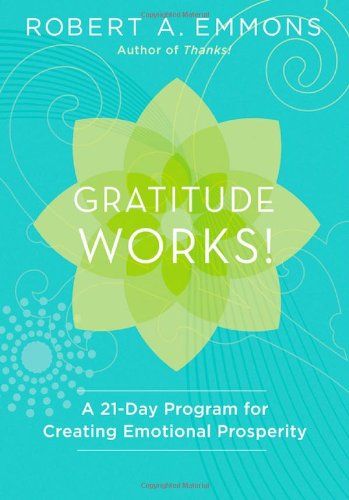
Prof. Robert Emmons, the author of”Gratitude Works !" recommends establishing a full on gratitude ritual. These can include the following:
  • Make a resolution or vow to practice gratitude. 
  • Make a plan to practice gratitude. 
  • Have a morning gratitude ritual. Examples would be glancing over your gratitude journal or meditating for a few minutes about what you are grateful for. 
  • Adopt the physical habits of gratitude such as smiling and making eye contact, saying hello,, saying please and thank you, and making a physical gesture such as handshaking if appropriate.
  • Send written expressions of gratitude such as emails and thank you notes in paper.
  • Place objects or other visual cues in your house, office, or where you can see them to remind you of something for which you are grateful.
  • Keep a gratitude journal. Make it brief but make it regular. If you keep it by your bed you can glance at it first thing in the morning.
  • Go out of your way to remember good times.


What will a practice of gratitude do for you?

There is an enormous body of science from a variety of sources that indicate the following effects of gratitude:

  • Stress reduction
  • Improvement of a immune function as measured in the bloodstream.
  • Better recovery from loss, i.e. Better resilience
  • Higher levels of life satisfaction.
  • For students,better grades.
  • It makes you a better friend to others.
  • Improved sleep.
  • Strengthens interpersonal relationships
  • Improves team functioning 
  • Greater alertness
  • Greater enthusiasm
  • Greater goal attainment.
  • Lower levels of depression
  • Enhanced capacity for empathy
  • Improved self esteem
  • Reduced aggression
  • Decreased loneliness
  • Greater tendency to act with generosity and compassion
  • Increased energy.
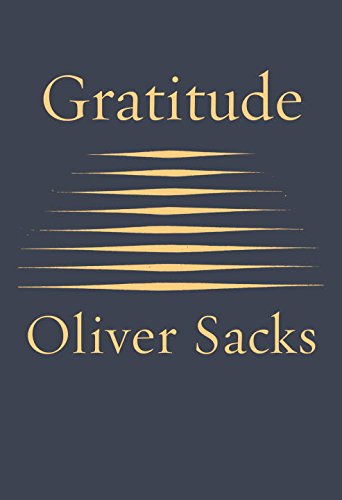
Gratitude
$11.27
By Oliver Sacks
Buy on Amazon

This is not just new age foo foo nonsense. Institutions such as Stanford, Harvard, and Penn, not to mention Google have thrown serious money, time, and entire departments into the pursuit of the evidence based effects of gratitude.

So this Thanksgiving, capitalize on this most important of national holidays. Find your gratitude, and keep it going. 


References and Additional Reading: 

Pass the Gratitude: Recipe for a happy Thanksgiving, From Huff Post Los Angeles

In praise of gratitude, from the Harvard Mental Health Letter

Seven scientifically proven benefits of gratitude that will Motivate you to Give Thanks Year-round from Forbes

Expanding the Science and Practice of Gratitude, From the Greater Good Science Center at the University of California, Berkeley

Why gratitude is Good for You, From the Stanford Social Innovation Review

Medical Monday: Breaking News from the World of Obstetrics, Gynecology and Women’s Health 

Happy Monday ! This week, in addition to reading the news and doing your normal workweek, you get to start seriously preparing for the holidays.  Enjoy the process !

Postpartum depression is in the news again, and this is a good thing. “ Shots” blog by NPR ( National Public Radio ) has run a story about a woman, Paige Bellenbaum,  who went through this. She has since recovered and has become an activist on the subject, and helped to write a bill in New York “ aimed at educating more families on the symptoms of maternal depression.” The bill also promotes screening through the Pediatrician's office. Early treatment for postpartum depression is, of course, more effective. 

Research findings presented at the NCI ( National Cancer Institute’s) annual conference underscored that increasing parity ( the more children you have ) reduces risk of ovarian cancer. The first child reduces the change of this cancer10% and each subsequent birth reduces it 8% more. While no one would decide the number of children they wanted based on this, it is interesting and may spur further research about how ovarian cancer comes into being the first place. Hopefully this will ultimately yield clues on how to prevent and treat this awful disease. 

New research published in the Journal of Diabetes Care indicates that women with central obesity (higher levels of abdominal fat) are more likely to develop pregnancy associated diabetes here. Of course it is also known that women who get gestational ( pregnancy associated diabetes) are more likely to get Type 2 Diabetes later in life. Moral of the story: Get in good shape and at your correct weight before pregnancy and in-between each delivery. 

Also hot on the trail of gestational diabetes (GDM), s study presented at the Conference of the Society for Endocrinology indicates that women who are sedentary in the first trimester are more likely to get GDM. They defined sedentary as sitting more than 6.5 hours per day. Has anyone ever tried a standing desk ? Personally I think the best thing at work is to alternate siting and walking about at frequent intervals. Also naps, mid afternoon. Wouldn’t that be cool ? 

The CDC ( Center for Disease Control) reports that half of pregnant women are gaining too much weight in their pregnancy. IOM ( Institute of Medicine ) recommendations indicate women with a normal BMI ( body mass index) gain about 18.5 an 24.9pounds. Smaller women should gain more and larger women should gain less. 

Wow this week's news sure had some common themes. 

To help you stay in the know very quickly, don’t miss Medical Monday.

Food Friday: Carbohydrate Intolerance

“ Hey wait, I thought food Friday was supposed to be a celebration of good food and eating !” Of course it still is. I just want to talk a little bit about how to understand your own metabolism and to leverage it for your health and for your enjoyment. Bear with me for a little science.

Carbohydrate or carbs is a term we hear frequently in popular media. But what exactly are they? A carbohydrate is a compound that contains carbon, hydrogen and oxygen. These molecules are linked together in such a way as to store energy. In their simplest form, they are sugars like glucose. When they are linked together like Legos they become starch, which is really just a storage form of glucose. 

Glucose is the body's principal energy source, its fundamental fuel. But as with most things,too little or too much is a problem. A young, healthy, non-pregnant body will manage its fuel very efficiently. The silent internal workings of the body's physiology will keep circulating levels of glucose within a close ideal range, even during periods of dietary excess and periods of dietary scarcity. The main regulators here are insulin and glucagon. Insulin is a pancreatic hormone that brings glucose from the circulation into the cell where it can be used for fuel. Glucagon has the opposite effect. When blood sugar levels go low, though lack or food or periods of high demand, glucagon goes into action and mobilizes stored starch to be broken down releasing glucose into the bloodstream. 

When we become overweight or pregnant or older, this process works less well. In particular, the cells do not respond as well to insulin. I am not speaking of diabetics here. This tendency is true of everyone. When we do not process our blood glucose efficiently, specifically when we become less sensitive to our own insulin, we are said to be carbohydrate intolerant.

A vicious cycle can then ensue. When we cannot bring glucose from the bloodstream into the cell by the action of our insulin, the concentrations of glucose in the bloodstream becomes abnormally high. This leads to the formation of fat in our tissues and in particular our arteries. This of course, leads to cardiovascular disease.

Under these circumstances, our insulin levels also become chronically high in an attempt to bring the blood sugar down. This is called hyperinsulinemia, and it is thought to be a precursor of type 2 diabetes. Moreover, hyperinsulinemia alone is associated with “ Metabolic Syndrome” , the unholy quartet of hypertension, obesity, high cholesterol ( or triglycerides) and glucose intolerance. 

How can you short-circuit this vicious cycle? Well, no one can avoid aging if they're lucky, and many people choose to become pregnant. Avoiding obesity is the best way to avoid carbohydrate intolerance because, as you have no doubt gathered by now, obesity leads to carbohydrate intolerance, and carbohydrate intolerance leads to more obesity, a vicious cycle. That is one of the reasons why it is so hard for people to lose weight once they have become obese. It is far easier to avoid obesity in the first place than it is to correct it after the fact.

But there are many obese people who are intent on losing their weight and getting healthy. Here's the good news for them, and for the rest of us wanting to prevent these problems. If we minimize sugars and simple carbohydrates (like starch) in our diet and keep a steady intake of meals and snacks with high quality fruits, vegetables, proteins and fiber, our blood sugar levels will trend toward the steady and normal, both necessary to avoid the development of carbohydrate intolerance.

If we add steady increasing levels of physical activity every day and, as a result develop increased exercise tolerance and increased muscle mass, we will have synergistically increased our metabolic rate. We will feel more energetic, and as a result be more active. A virtuous cycle will set in! 

Here's the real newsflash: I am asking all my patients to pay more attention to food. In fact, I am almost certainly asking them to eat better food, in greater quantities, more frequently. In fact I would be thrilled if all of my patients made healthy food a lifelong hobby. Sourcing high quality food, searching for recipes, trying new things, and entertaining with healthy recipes is a lot of fun.

So with the holidays approaching, do not worry. Get excited about finding some great healthy recipes. And maybe plan a frosty family walk outside on your Thanksgiving morning, or between dinner and pie. 


Wellness Wednesday: How to Start Your Fitness Routine 

Fitness and health flat icons set.jpg

There are people out there who experience lasting fitness breakthroughs. They all have to start somewhere. This week's post is about how you can start your fitness regimen. 

How do you break out of your rut? By creating a new rut. A lot of people have good intentions and a lot of people have brute force discipline. But that's not really what it takes.

What does it really take? It takes a good set up. You have to set yourself up for success.


As with any goal, your goal of starting fitness needs to be SMART.  

SMART means: 

  • SPECIFIC
  • MEASURABLE
  • ATTAINABLE 
  • RELEVANT
  • TIME BOUND 


1. Specific- Decide what you are going to do. I suggest beginners either go to a class at an accredited health center, gym or, as a lower cost alternative get a selection of appropriate fitness DVDs for home use. One great regimen is every other day at the gym interspersed with every other day at home with a DVD. Always take at least one or two days off a week. On those off days you may do gentle yoga to perpetuate your habit and stay limber. 

Being specific also means that you know exactly what you are going to wear and exactly what you are going to do to start the workout. For me, this means coming home from work, changing into my exercise clothes, turning on my DVD player, grabbing a glass of ice water, and then putting on my workout shoes. By then, the workout is as good as done. I do it the same way every time to create and reinforce a habit loop.

2. Measurable-Consult with your doctor about how many days a week you should work out. I suggest no less than three and no more than six, preferably 5 to 6 days per week. When you are a beginner the duration of your exercise should be no more than 30 minutes and possibly closer to 20.

Very importantly decide on a method of recording your exercise episodes. This can be as simple as making a mark on the calendar or as complicated as using a fitness tracker on your smart phone. Don't make a big deal out of the recording, just do something simple and quick. Then your exercise becomes measurable.

3. Attainable-Make sure the first three months of your workout are easy. Your workouts should be so easy that they provoke nothing more than some light breathing. They should not hurt, burn, or exhaust you. The first three months of what you do is simply to let your body and your mind adjust to the idea of regular exercise. You are building a habit. You will almost certainly want to modify the routines you see in the easiest of your DVDs, but this is perfectly okay. 

4 Relevant-The first three months of your fitness workout should focus on light cardio and light resistance combined. This is the most relevant form of exercise according to current Sports Medicine evidence. You do not want to undertake long distance running or powerlifting or anything so specialized or extreme.

5 Time bound-You know your schedule. Carve out precisely 30 minutes for a 40 minute work out getting yourself five minutes on either side to change clothes. Know exactly where the workout is going to be placed in your day for the entire next week. Be realistic… you have 30 minutes. Everyone does, but this might mean you need to be more efficient overall, and there is nothing wrong with that. It also might mean that you have to cut things out, Such as Facebook, Pinterest or even Big Bang Theory.


You really want it. You know it will make you feel good. You know it will enhance your health. You know it will set a good example for your family. I'm here to tell you that fitness is not hard. In fact, it's fun and satisfying. Take these SMART steps today and start your fitness routine.


Medical Monday: Weekly News Update in Obstetrics and Gynecology

Good Monday.

A new study presented at the annual meeting of the American Society of Anesthesiologists suggested light meals during labor may be safe for most women. Ordinarily we would like to restrict intake to clear liquids nothing at all depending on the risk level of the woman. The main concern here is the risk of aspiration which means inhaling food particles from the stomach into the respiratory tract. Pregnant women are at increased risk for aspiration compared to non-pregnant women due to  the pressure from the baby and the relaxation of the esophageal muscles. Moreover, women are often nauseous during labor, increasing risk. The highest concern comes if the patient needs to go to cesarean section. In this instance she needs to be on her back with only a slight tilt, and this increases the risk of aspiration even further. It is unfortunate that the lay reporting makes it sound like we fear that women might aspirate during normal labor. Our concern is mostly having to do with the chance that they will go to cesarean section on a full stomach. 

Shots Blog on NPR covered this interesting tidbit: Babies and mothers exchange cells each others circulation during pregnancy labor and delivery, And they are maintained in circulation thereafter. These are believed to have implications for cancer and auto immune diseases that affect women. It is unclear whether these are beneficial, harmful, or both, depending on the circumstances. 

We know that when people have more testosterone in their system that they are more assertive or aggressive. But we are now finding is that the converse is also true. According to a study published in the Proceedings of the National Academy of Sciences, our testosterone levels rise in response to assertive behavior such as the use of power in a work situation. Study noted that this is especially true in women.

Did you know that tobacco use before pregnancy and in pregnancy is associated with cleft palette and congenital heart defects? The CDC's National Center on Birth Defects and Developmental Disabilities performed a meta-analysis which indicated that 6% of oral clefts and 1.4% of non-syndromic heart defects are attributable to maternal smoking in the first trimester. 

Yet another study underscores the fact that drinking alcohol increases a woman's risk of breast cancer.

Got cold sores? Don’t feel bad. The World Health Organization estimates that half of the world’s population under 50 does too. 

Stay tuned for more news from the world of obstetrics and gynecology, Next week on Medical Monday.


Food Friday: Trick or Alternative Treats

Ever wonder what you could give out instead of just candy ? I have worked on this challenge before at Easter when filling eggs, but have not until now considered what alternatives I could do at Halloween. 

First of all your Halloween alternative offerings should not break the bank. Secondly they should be age specific. In my family and group of friends, everyone from young children to old adults go out for the holiday, usually in costume. Halloween has always been a big holiday for our family, but especially since our youngest child was born on that day 22 years ago. When he was tiny he used to think the whole town came out for his birthday. 

I am for a strategy where you actually hand out the treat rather than have people take it from an unattended bowl on your porch. You will see why when you see my list of alternatives. Some are definitely age specific. Plus you ought to get to know your neighbors.

I think it is important to have some candy at Halloween. Always choose something that is wrapped so that the parent or child can be sure that has not been handled. You might think that the candy would get cherry picked out. This will not be the case if you were the one doing the handing out. Moreover, at Easter, I have found that some of the other non-food items are actually more popular than the candy.

Here's the list:

  • Tiny boxes of raisins
  • Trinkets you've purchased for cheap at the thrift store
  • Interesting buttons purchased by the jar at garage sales or thrift stores
  • Tiny spools of thread purchased by the bag at the fabric store
  • Craft items such as decorative pipe cleaners or pom-poms
  • Glass “Jewels”, meaning the pretty glass rocks you put in the bottom of a vase of flowers, Usually available at the dollar store in a selection of sizes and colors.
  • Stickers
  • Glow bracelets usually available at the dollar store.
  • Poems quotes or sayings written decoratively and in tiny envelopes
  • My favorite: beads, especially large ones.
  • Tiny rolls of ribbon
  • Tiny toy soldiers or animals 
  • Office supplies such as decorative clips, rubber bands, tip erasers, or pencils
  • Tea light candles

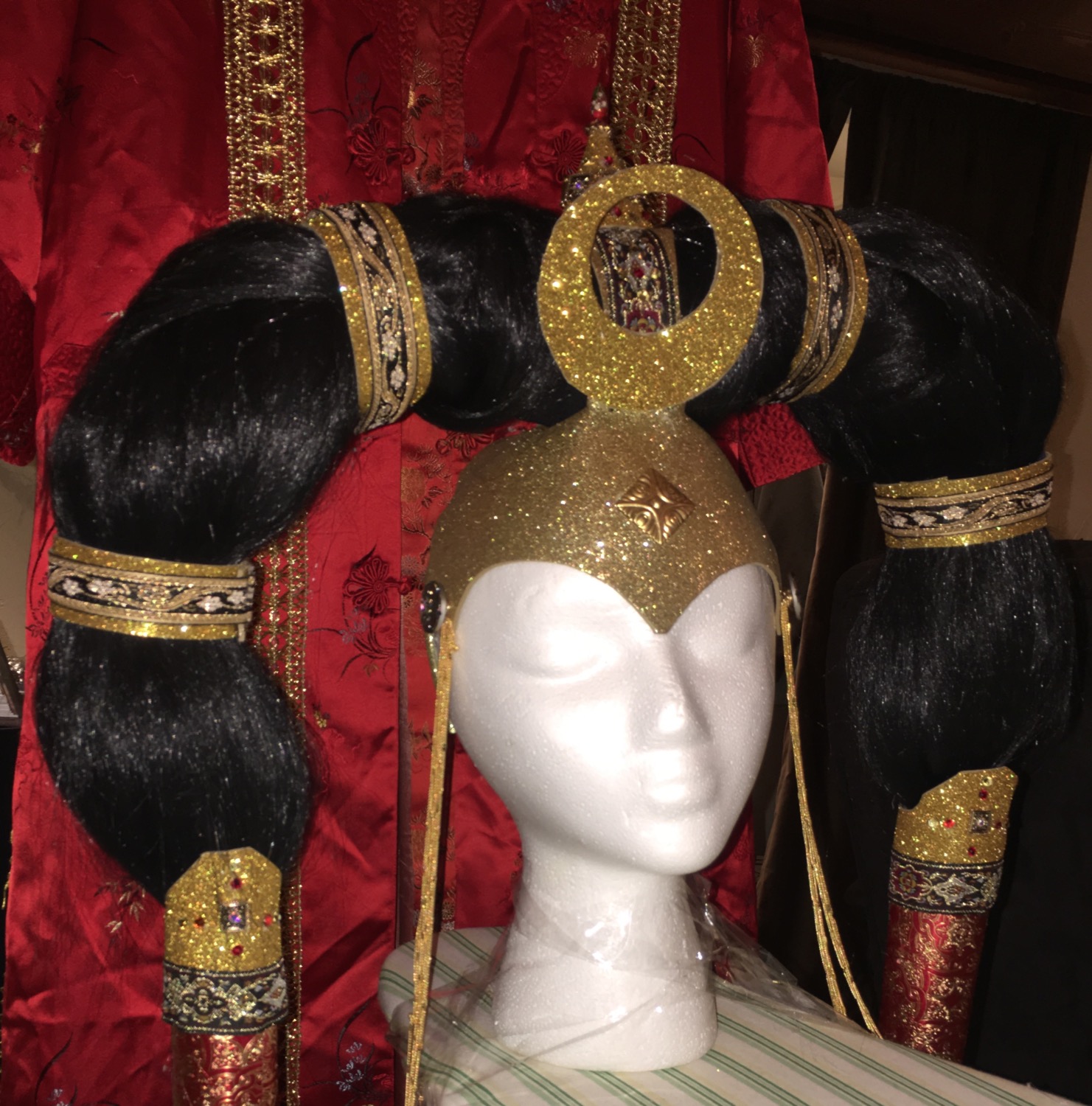
Basically I pick things I would like to get. Speaking of me, as you can see from the picture, I am still working hard on my costume. Guess who I am going to be.  

Have a safe happy Halloween. 


Wellness Wednesday: The Wellness of Being Yourself

My new T shirt 

My new T shirt 

As most of you know I recently returned from my alma mater, nerd nation, the mothership, Stanford University. Here is a group of misfits so diverse and enthusiastic that they just might save the world.

Wikipedia defines nerds as follows:

Nerd (adjective: nerdy) is a descriptive term, often used pejoratively, indicating that a person is overly intellectual, obsessive, or lacking social skills. They may spend inordinate amounts of time on unpopular, obscure, or non-mainstream activities, which are generally either highly technical or relating to topics of fiction or fantasy, to the exclusion of more mainstream activities.[1][2][3]

The Wiki goes on further to add the following:

"Nerdy" interests[edit]

Some interests and activities that are likely to be described as nerdy[by whom?] are:

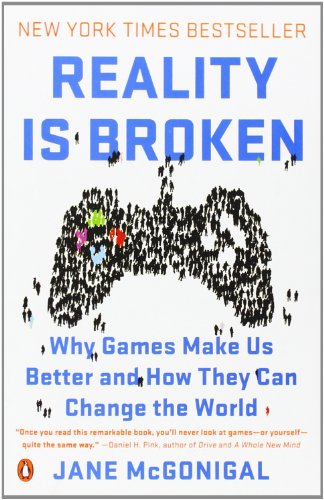
Jane McGonigal writes convincingly in her book “Reality is Broken" that the gaming community is full of people with great capacity to focus, as well as a passion for adventure and righting wrongs. She proposes to harness this energy for good and not just for gaming. This nerdy passion for adventure and justice combined with an intense capacity for focus was just what I saw at Stanford.

I returned from nerd nation inspired and encouraged. However I also found myself with a number of questions. Have I had enough faith in myself and the world? Have I tried enough new things ? Have I developed myself to my fullest potential? Have I done enough to make the world a better place ?

There is the temptation for these questions to become very heavy. However, in nerd nation, there is the acknowledgment that everyone is unique and that everyone has something unique to contribute. It was provocative nonetheless to meet a considerable selection of people who are doing things that could actually change the world, and by change the world I mean things like discover life on other planets or cure cancer. It is even more provocative to consider that most of these nascent accomplishments were not that hard. Rather than coming from brute force of mind, they came from unencumbered creative thinking, an environment supportive of trial and error, and steady efforts in a collegial team environment. 

On balance the visit was more empowering than daunting. This is where the connection to wellness becomes evident. I have written before about the connection between wellness and creativity. I have also written about the connection between learning and wellness. There is clearly a connection between wellness and altruism. I write now to encourage all of us to have a little more faith, a little more creativity, maybe some continuing education, maybe a little travel to get us out of our own heads, and more drive to make the world a better place.

Get your nerd on people.

Medical Monday: Weekly News Update in Obstetrics and Gynecology

Good Monday !

I am returning from a great five days back at Stanford with our son Forest, who is now also an alumni. We attended “ Classes without Quizzes” and enjoyed ourselves immensely. We learned about numerous things, including a little about the way the brain functions during early language development, the latest in nutrition research, and a MMOG, yes, a massive multiplayer online game called EteRNA which has become a powerful tool in the design of tiny RNA machines which may be used to treat disease. We also took a yoga Piyo Hip Hop Fusion class, went on a pro multi-ethnic eating tour and saw tons of old friends. 

So now we return inspired, excited to move the needle forward in everything we do, including Medical Mondays ! 

Flibanserin went on sale this last Saturday. Flibanserin is of course the pill to treat low libido in women. It goes by the name Addyi. Does anyone know how to pronounced this ? Someone got paid to think of that name, you know. I can’t wait to see the commercials. For some real information about this drug, please see my prior post HERE

This week, in a 2000 word opinion piece in the New York Times, a political scientist Courtney Jung, criticized breast feeding activists for putting too much pressure on women to breastfeed. She states broad based research indicates the benefits of breastfeeding are  “ modest”. Could this op ed have anything to do with the fact that she is releasing a sensational new book called “Lactivism” next month ? Imagine running a 2000 word ad for your upcoming book in the New York Times. I wonder if they even paid her for her ad.

Her subtitle includes many of us: 

How Feminists and Fundamentalists, Hippies and Yuppies, and Physicians and Politicians Made Breastfeeding Big Business and Bad Policy

I am just going to go out here on a limb and disagree and say that I do not think breastfeeding is bad policy. I guess I’m kind of a rebel that way. 

The American Academy of Pediatricians has come out saying that "no amount of alcohol is safe for unborn babies". The new guideline “identifies prenatal exposure to alcohol as the leading preventable causes birth defects and intellectual disabilities in children.” It was previously thought that "a small amount" of alcohol is okay in pregnancy. According to the CDC (The Centers for Disease Control), about 10% of women self-report that they drink alcohol in pregnancy. So in my simplistic mind this means that if women comply with this recommendation, 10% of the entire next crop of babies could be significantly developmentally better off than the last group. Wouldn’t this have staggeringly good effects on the population ? 

The American Cancer Society has revised its recommendations for mammograms once again stating that they should start at age 45 in a patient of average risk, and go to every other year at the age of 55, provided that the woman is expected to live at least 10 more years. The purpose here is to "eliminate false positives and over treatment’.

Has anyone ever considered asking the question, How bad is the badness of a false positive? And what do they mean by overtreatment? Do they mean biopsies which turn out to be benign or do they mean lumpectomies or mastectomies? Most physicians do not consider a biopsy to be a treatment. Most patients consider a benign result a great relief. I have never heard of a patient saying ”Doctor, my biopsy was benign. It looks like I really didn't need that biopsy after all ”. If biopsies were taken out of the “over treatment “ calculations would there really be any unnecessary “treatments” left to lament ?

The American College of Obstetricians and Gynecologists (ACOG) has maintained their stance on mammograms every one to two years from the age of 40 forward. It also recommends a clinical breast exam annually. The American Cancer Society is dropping their recommendation for an annual clinical breast exam since it has not"been shown to save lives.” They say nothing about whether it extends lives. Is important for readers to know that there are many studies designed to determine whether or not a certain intervention prevents death in the course of the study. Preventing death is the same thing as saving life, no matter if you die at one year or ten years after treatment.  Studies geared to show an interventions ability to save life do not necessarily have the power to show it extends life. ACOG keeps its position on mammograms and clinical breast exams because earlier more frequent mammograms and clinical breast exams are associated with earlier diagnosis and longer life after breast cancer. 

I had better stop writing since there is steam coming out of my keyboard and my ears again. 

Stay tuned for more news from the wacky world of OB/GYN next week on Medical Monday. 

Food Friday: Travel Food

image.jpg

As I recently wrote in my post on travel wellness, discretion and restraint is advised in matters of travel food. Nonetheless, I think it is incumbent upon all travelers to try as much of the local cuisine as possible.

​How is this accomplished? For one, through small portions and for me as you will see, through photography. I need not eat my food to enjoy it, though I certainly do my fair share of  eating. 

For me, travel food also encompasses experiencing food with people. That is to say, the people are part of the recipe, part of the menu. For me, even the food preparation, the utensils and even the dishtowels add to the experience.

image.jpg

 ​And so, since I am traveling, I will share with you some of my food experiences.

image.jpg
image.jpg
image.jpg
image.jpg

Medical Monday: Weekly News Update in Obstetrics and Gynecology 

Did you know that some insurance companies offer rebate incentives to get indicated mammograms ? A recent editorial in the Journal of the American Medical Association called this “ an ethically disconcerting distraction”. What do you think ? I think advanced breast cancer is far more expensive than early cancer caught and cured. 

A new study from the University of Minnesota School of Public Health has shown that less than half of new mothers returning to work have adequate space and time to pump. Meanwhile, in related news, the Army now requires commanders to allow breastfeeding soldiers to have time and space to pump. To clarify, many soldiers stay stateside or in non-hostile countries with family on bases and serve in technical or support positions. 

One article and two more separate recent studies indicate a higher infant mortality for non- hospital births than hospital births. ACOG estimates risk at two to threefold across the board. Remember there is also evidence demonstrating a 14 fold incidence of first Apgar of ZERO in those delivering their first baby at home. All this seems self evident to me given all my eyes have seen. 

The American College of Physicians has come out against routine pelvic exams in the the asymptomatic woman. The American College of Obstetricians and Gynecologists has made it clear it supports annual pelvic exams. Recall that pelvic exams need not always include a pap, since a pap is the collection of cells from the cervix to be evaluated in the lab. Pelvic exams confer a wealth of information about infection, pelvic relaxation, masses in the uterus, masses in the ovaries, etc. Ask any ob/gyn; They will tell you they find significant things on pelvic exams in asymptomatic women all the time. It looks like this needs to be formally studied. 

Uh oh, more bad news for Essure, those little coils placed in the tubes for sterilization. (Darn it, this seemed so promising. ) A new study in the British Medical Journal evaluated over 52,000 women sterilized with Essure. These women were 10 times more likely to go to surgery in the following year than those that were sterilized with a traditional tubal sterilization procedure. It is interesting to note that the FDA ( Food and Drug Administration) did NOT require documentation of Essure’s performance though a RCT ( randomized controlled trial). 

A study in the Journal of the National Cancer Institute has shown 61% of women obtaining mammograms will have at least one false positive report. They are advocating that physicians do more to educate and reduce anxiety associated with these results. 

In the good news and empowerment department, a Norwegian Study reports that pregnant women who exercise regularly in the three months prior to pregnancy report less pelvic pain in pregnancy that their non exercising counterparts. And this is making me smile: High impact exercise was the most strongly associated with decreased pain. So, did these women go through life feeling less pain to begin with thus tolerate exercise and pregnancy better, or did the performance of the exercise change something about the way they perceive pain ? A study like this cannot answer these questions, but they are interesting to ask. 

Stay tunes for more news form the world of OB/GYN next week on Medical Monday. 

Structure Sunday: The Structure of Prevention 

Here’s a simple question: Is it hard or easy to stay well ? 

Staying well is two things: avoiding disease and optimizing health. I’ll be the first to tell you that there are some diseases you simply can’t avoid. I’ll also be the first to tell you that most diseases are a preventable. 

What is prevention ? Is prevention hard or easy ? Prevention is not one thing. It is collection of different actions. Most importantly, these are done over time, on a meaningful schedule, and so we call them habits. I find that lots of people do certain few healthy things once in a while. Oftentimes these same people wonder why they do not see gains in health or fitness. What they are missing is the element of time. Taking one, two or ten habits and performing them in perpetuity over time is what makes the changes. If I could change just a few ideas in my patient’s minds, this would be one of them. 

Prevention requires you to harness the element of time. Time gives your actions power. Most prevention habits are simple easy acts in and of themselves. By themselves they don’t so much. Multiply them by months and they make significant and long lasting changes. 

Here are some super simple acts which you can multiply over time. 

Mind: 

Record three things for which you are grateful before you go to bed. 

Read them upon arising. 

In a conversation, listen first then respond with “I” statements. 

Think and take two full breaths before responding during a conflict. 

Meditate for 10 minutes per day. 

Have about 6 close friends. 

Consider having a partner. 

Have a pet of whom you take good care. 

Ensure your work is meaningful. 

Don’t overspend. 

Take your allotted vacations. 


Body: 

Wash your hands at work and when you get home. 

Get your required vaccinations. 

Sleep at least 7-8 hours a night. 

Wear seat belts. 

Use sunscreen.

Eat three meals and three snacks each with protein and produce. 

Avoid simple refined carbohydrates. 

Use olive oil and green tea. 

Ban soda, smokes and drugs. 

Limit to one wine or beer per day. 

Drink 3 liters water per day. 

Brush twice a day, floss and use a peroxide mouthwash before bed. 

Exercise for half hour 5-6 times per week combining cardio and light resistance. 

Incorporate yoga every week. 


Super basic, right ?

Super powerful.

That’s what these habits are when repeated over time. 

Prevention doesn’t hurt, it’s not expensive, and you can do it anywhere. It does take a plan to carve out the small slots in the day to do these things, but it really isn’t hard. Just keep the list handy, do the items, and you will wake up in a few months and notice some pleasant changes. 


Food Friday: Setting the Halloween Table

It's two weeks before Halloween. Make the holiday your own with a party. It can be a pre-trick-or treat party, a children's party to keep them off the street, or an elegant adult soiree. 

Tonight I write to make some different sorts of suggestions about Halloween parties and Halloween food. My different perspective comes from the historical roots of Halloween which is witches' brew of an ancient Celtic festival Samhain (pronounced Sow-in), the later Roman holidays of Feralia and Pomona, and finally the Catholic Feast of All Martyrs/All Saints/All Hallows day. The name " All Hallow's"  literally says, " all that is holy".These are beautiful holidays are full of respect for the harvest, the circle of life, ancestors, saints, and the turn of the seasons. They all included feasts, and outdoors activities late in the night complete with festive fires. Accordingly, " Halloween" is of course a contraction of the words " Hallowed" and " Evening".

I have a soft spot in my heart for All Hallows' Eve as I like to call it, since our youngest child was born on that day. As a result, it has always been a big family celebration for us, and so we have always had a party. 

Accordingly, I have never gone in for the typical commercial Halloween decoration and imagery. True, I like a very dark and mysterious Halloween. Particularly after I had children, though, I never saw fit to incorporate what I feel are images of violence into the holiday. For example, I am totally not into the blood, gore and mutilation thing. 

Instead, Halloween to me is about the beauty and magic of the night and the natural world. For example I have incorporated themes of stars, the moon, planets and comets. People consider these magical motifs, but to me they evoke the magical math and science which can describe their movements. 

I also incorporate anything botanical. At this time of year the leaves are getting crinkled and brown, and the branches are bare. Some are dried all but the berries, But there is beauty even in this. You can make them even more evocative with paint, glitter, or interesting low lighting. 

I incorporate the creatures of the night in my All Hallows' decorating. From mice, rats, bats, spiders, beatles, wolves, and owls to moths chasing a flame, these are all interesting and beautiful creatures who are worthy of our attention. Instead of vilifying them or presenting them in caricature, I try to present them as they are, almost like museum specimens. If I could have live ravens with their glossy black feather, I would. For children I might do a faux insect display, with a little parchment note about the creature, and how they fit into the ecosystem. 

And fire. Of course fire, since fire hearkens to the primordial processes in the heart of our sun which make life on this earth possible. Did you ever think about the fact that when you watch a flame you are watching matter being turned into energy ?

To bring fire into the home or patio, you must first be safe. I like metal tea lights since they burn safely set inside a beautiful container. These are easy to clean up as well. I use lots of candles, and keep the regular lights down low. For fire outside, make a traditional bonfire. Check your local fire regulations and use common sense for this, especially with children. 

So use branches, bugs, bats in mobiles, candles, faux spider webs done carefully, with dark elegant colors, or moonlight white. But whatever you do, make your party beautiful enough to transport your guest to a different holiday " Hallowed" frame of mind. 

The food should do the same. This means, of course, that the food should be a little unusual, yet very good, and very showy. Do always consider the comfort of your guests and make sure that there is something for the very young and the food sensitive to eat. For example, I have done an herbed roast turkey in the past, with a wild rice stuffing with dried fruit. I always do a dark carbonated fruit punch with floating berries and dry ice. I like lots of fall fruit strewn on the table. Desserts are numerous, and seasonal. 

Needlework by Anne Nickerson RN

Needlework by Anne Nickerson RN

Table centerpieces should look like a Dutch master painting, tumbling over with black grapes, gnarly nuts, an errant butterfly, dried branches and perhaps exotic flowers. Make sure you have covered all the senses, from sight and taste, to smell and hearing. Arrange for some aroma therapy from atomizers or candles. Just make sure to use only natural scents like essential oils  since many people are quite sensitive to artificial fragrances. Finally pick some beautiful, different and transporting music and keep it low in the background. The Harry Potter Soundtracks are a good place to start. 

For more ideas on your Halloween party, click the image at right to see my Pinterest album on the Holiday. 


Weekly News Update in Obstetrics and Gynecology 

Good Monday news readers. 

This week, card carrying Ob/Gyns the world over are going all green on us. The World Health Organization and no less than 6 other international Ob/GYN professional societies have “ come out” calling for “ providers to incorporate environmental health screening as a part of routine practice." They have also asked that clinicians become active on a local, national, and global levels to advocate against exposure to toxic chemicals in the environment. 

In sensational news, a Finnish study reports that discontinuation of hormone therapy may increase the risk of cardiovascular death. This news comes as one of many postscripts to the large Women’s Health Initiative (WHI) study designed to assess the effects of two forms of hormone therapy (HT): combined therapy with conjugated estrogens plus synthetic progesterone, and unopposed estradiol in those with a hysterectomy. Until the WHI, conventional wisdom was that HT prevented heart disease, but fostered breast cancer. Surprisingly the WHI showed women in the combined HT group had small but significant increased risks of both heart disease and breast cancer. Those in the estradiol alone group had neither. 

In Finland, which has a highly regulated and uniform brand of socialized medicine, the use of HT took a steep dive upon the release of the WHI. ( It did in the US too.) Examination of this time period a few years ago in Finland has yielded these new insights. No one knows precisely why this is the case, but the authors speculated that it is because only estradiol, either with or without progesterone, is used in Finland. No conjugated estrogens are used. 

 It turns out that the average age of the women in the WHI was 63, a good 12 years older than the average age of natural menopause. These were women who might have accumulated atherosclerotic disease before even starting the HT. Authors of a related recent Finnish study speculated that estrogen may be good for clean vessels, but bad for atherosclerotic ones. This is physiologically plausible since estrogen encourages turnover of the vascular lining, which is where plaques happen. The plot on HT thickens again, but maybe in a good way. Stay tuned. 

Cup half full or half empty ?  The CDC reports that there has been a 44 % increase since last year of hospital policy driven encouragement of breastfeeding within one hour of birth. The trend is good ! However, the respected blog “ Shots”  at NPR ( National Public Radio) decried the findings, pointing out that most hospitals still are not doing a good enough job promoting breastfeeding and most hospitals give formula despite mothers wishes.The cup has some water in it….errr milk. 

Aren’t there some animals who ovulate in response to intercourse ? Kitty cats ? Animal lovers help me here. A new study in the Journal Fertility and Sterility has identified intercourse induced changes the immune system that are pregnancy favorable. Researchers have stated “... sex outside the fertile window is still important for triggering important changes in a woman’s body that may promote a healthy pregnancy.' Meow. 

Stay tuned for more news from the world of Ob/Gyn next week in Medical Monday. 


Structures Sunday: the Structure of Studying

I'm a perpetual student. You may not realize it but in certain circles this was considered an insult. I now realize it is good thing. Indeed life long learning is the only way to go.

I have already blogged about the importance of reading and creativity. Those of you who know me realize I have a number of serious creative pursuits, Since we are approaching Halloween, I am deep in preparation to sew a detailed costume. For these sorts of things as well as my work, I have to study. That's right, study.

For my costume I have had to research everything from specialized sewing machine feet to the thermal properties of craft foam. For my amateur photography I have had to research telescope eyepieces and how to connect a old school serial port to a USB port.

Tonight for example I am deep into my annual board review preparation. Every year we have to review research articles and take tests, But every 10 years or so we have to take a big test and that is what I am preparing for this week.

Additionally, I am aware of many of my friends and their adjustment to the new school year. Bottom line: all parents home school, even those parents whose kids go to public or private school. That's how I felt anyway when my kids were in grade school and high school. Every day when I would come home from work I would simply change hats and I would turn from OB/GYN to homeschool teacher. I would check in with each of my kids to see what they had to do for homework and upcoming tests. I would check in on how their classes were going. I might take a some time and give them a little supplemental information on a topic if I happened to know something about it. Finally I would monitor their study habits. As much as I think they found it irksome, I think even they would admit it has served them well. 

So what are good study habits? There are numerous books written on the subject which are beyond the scope of this blog post and well worth reading. I just want to emphasize that you should stay intellectually and creatively active as a part of your overall good health. I also want to empower you to get involved in your children's academic life. So here are a few basic tips for studying that will serve you as a parent coaching children, a student, or simply as an adult keeping her intellectual and creative life healthy.

  • Get an overview of the task at hand. Even grade school children should know that school goes in semesters or quarters. They should know when the tests and quizzes are given, and when their assignments are due. Both children and adults should have a simple clear system for writing this down. It can be either digital or paper. Their should be a daily and weekly routine for referring back to this schedule. That makes for no surprises and less procrastination. 
  • Prepare. It does not matter whether you are preparing for a book report in seventh grade or a board exam when you are a doctor, preparation is key. Learn to channel your anxiety and concern into an early jump start on your project. This is imperative because it alleviates stress and gets the job done.
  • Know how to study. Here is a general method for low stress, effective preparation. 
  1. Scan the material for an overview.
  2. Read the material thoroughly.
  3. Highlight the material thoroughly.
  4. Make your own handwritten notes from your highlights.
  5. Make index cards from your handwritten notes, using a brief description on one side and more complete details on the other.
  6. Quiz yourself on your index cards. Do it out loud. When you do, put the ones you know well in one pile and the ones you need to review in another pile. Repeat your index card quiz, this time only with the pile that you need to review. Again, put the ones you fully understand in the good pile and the ones you need to review in the bad pile. Repeat the process until there is nothing in your bad pile.

It turns out that getting as many senses involved in your learning helps. The technique described above involves several senses, sight, touch, and hearing. Reading, writing with your own hand, and seeing what your own hand has written or hearing yourself read what you're own hand has written reinforces the learning of information on multiple levels, indeed in multiple areas of brain.

This is all well and good if you simply need to learn facts. However, if you need to know how to work problems, that comes next. Work on all the problems you can two or three days before they are due. That way you have a chance to go in and ask questions well before the problems need to be turned in. If you are a parent supervising children with homework like this, be sure that they do their assignments at least two days before they are due. You will ingrain this kind of habit in them for the rest of their life, and that will serve them well. And don't forget to lead by example.

If you're working with older children who will be taking tests, coach them a little bit in test preparation. Emphasize early and repeated contact with material as well as working of every problem that the teacher has handed out. Encourage students to use practice tests that have been provided to them and that are available on the Internet. Encourage them to fill in their understanding with information they find on reputable Internet sites such as Khan Academy. Have them try finishing the test preparation the day before the test is given so that they can spend that day asking the remaining questions. Tell them not to be afraid of being like Hermione Granger and having their hand in the air all the time. 

Make sure you and your children have a good night’s rest before any tests. I realize this is easier said than done but it is sound advice. In fact, make sure they are well rested before any school day. This will maximize their ability to learn. Equally important is a good protein rich breakfast, especially before tests.

It is important that if you are parents supervising children in their studying or their homework that you be supportive not harsh. Regardless of what you may think of their teachers, encourage courtesy toward the teacher. To do otherwise is a disservice to your child. 

Is very important to remember that if you are helping someone with their work, you're principally helping them to understand how to do the work themself. Under no circumstances do you do the work for them. You may work a similar problem for them to see, since that is different.

A healthy creative and intellectual life has been proven to benefit health. This is true for both adults and children. I hope these tips help make your studies easy and fun.


Food Friday: Soup is Soul Food

Every cook should know how to make homemade soup, especially those on a budget and those interested in eating healthy.

Two weeks ago I wrote an unusual post about how to make soup stock. It might seem like an unusual post for blog on Obstetrics, Gynecology, and healthy lifestyle, but not when you take a closer look.

One pillar of healthy lifestyle is healthy eating and another pillar is a healthy home life. Home cooked food can help with both. Soup is one of the most comforting and potentially healthy home cooked foods. It is also one of the easiest, of course once you know how. Homemade soup is also one of the thriftiest things to make since you can utilize leftovers and assorted ingredients from the refrigerator, garden, or pantry.

How to start? As always, start by cleaning up any stray dishes in the kitchen, organizing, and assembling your ingredients. Thaw any broth you have frozen. If you have not made frozen broth you can obtain good organic broth in three different flavors at any natural food store. You can also get a jarred  broth concentrate, also organic, at most grocery stores and at Costco as well.

Determine the vegetables you want to include. I'm a fan of great variety, But you can also make a vegetable flavored soup and emphasize one or two flavors such as red pepper. Prepare all of the vegetables by washing trimming and cutting them to the appropriate size.

I try to ask my patients to emphasize the protein in their diet. Decide what the protein in your soup will be. Consider chicken, red meat, fish, seafood,or even eggs. Cut your choice into bite-size pieces.  If you can tolerate legumes like beans and peas and can handle the carbohydrate that they bring, those can be included as well. Prepare all these ingredients so that they are ready to put in the pot.

I like to try to make my soup with only one pot. Choose your pot based on the volume that you want to make. Make sure it is extra large so that when you stir it with a long wooden spoon nothing will spill out.

Use a good cooking olive oil to sauté your first ingredients.These would include garlic, onions, or chilies if they are in your recipe. You will do them first so that they will flavor the oil. Make sure to use enough olive oil on the bottom of the pan. After this, Add your meat, chicken, or fish. Sauté until golden brown, but not fully done. I like to add fairly heavy spices to the cooking meat at this point since the flavor seems to penetrate better than adding it later. Then add your vegetables one by one and cook them until partially done, going from the hardest such as carrots to the softest such as spinach at the last.

When everything seems partially and evenly done, add liquid. I usually add a a half a cup of either red or white wine first. This adds to the depth of flavor. Then I add my broth, at least enough to cover all the hard ingredients, and usually more. I may or may not add a can of diced or stewed tomatoes, depending on the flavor I want to achieve. All you have to do at that point is bring it to a boil briefly, then simmer until the hardest vegetables are fork tender. If you intend for your meats to get very tender, they will have to simmer at least a couple hours. 

This is a good general recipe for a variety of different kinds of soup. You can make it with a large variety of different vegetables and if you add beans and a little pasta it turns out like a minestrone. If you add only a few vegetables and a lot of beans, tomato paste as well as onions and chilies, you have chili. You can pick a vegetable theme such as green vegetables and limit yourself to just a few onions, leeks, spinach, and kale. If you make a broth-y chicken soup with napa cabbage, ginger and green onions, you can drop whisked eggs into it and have egg drop soup. You can do the classic pumpkin soup especially at this time of year. Or you can go with the popular roasted red pepper soup.

If you have athletes, children or adolescents in the home, you can afford to serve this soup with a good whole-grain bread. Otherwise, it should stand on its own. You can always add a side salad and cold glasses of milk, to round it out.

Have fun with your soup and add some garnish. Garnishes can be anything from grated cheese or sour cream to minced green onions, parsley, crumbled hard-boiled eggs, sliced almonds or Siracha sauce. 

You will find that people tend to gather around a kitchen table with a good homemade soup. Having a sitdown family dinner with soup is good for health and good for the soul. 

Wellness Wednesday: When NOT to work out

Woman On Yoga Bolster.jpg

Last week I “exercised” poor judgement. I knew it right away, since my natural consequences were swift and sure. 

I had an exhausting week at work. I had kept up on my regular workouts, and got a moderate amount of sleep. Then one morning very early, really in the wee hours of the night, I had to go do an emergency delivery. This dovetailed right into the day. As I worked into the afternoon, not surprisingly, I felt off, a little ill. However, it was the night of the big Zumba Master class, with the awesome teacher from out of town. It was not to be missed. 

I felt like it was all I could do to get my zumba clothes on. Maybe that was a sign. If you can’t get your sports bra on you should not work out. Anyhow, I got there, and it was packed. A nurse friend of mine told me I looked tired. She told me I’d feel better after the workout. Then the new instructor started  in and she was dynamite. It was great dancing; stuff I had not seen before. I did feel better. 

Somehow I had gotten into a little clutch of instructor types in my section of the crowd and everybody could actually dance. That made it even more fun, but you had to really put out. And put out I did. By the end I was drenched, which is unusual for me. My face was red as a beet, also unusual. And then I stepped into the cold night air and felt sick. Weird sick. I was pretty sure I had whacked my electrolytes. 

When I got home I felt strangely weak, and super thirsty. I drank slowly, ate some chips and salsa for salt, and soaked in a tub. I got better, but it took until the next afternoon for me to feel ok. 

Moral of the story ? Remember that working out is for health. If doing it will not be good for you then don’t. Other moral ? Listen to your body. 

So I thought I would take this occasion to give you ( and me) some reasonable criteria for postponing your workout. 

  • The neck rule: You may do a light or “ recovery “ workout if you have the simple sniffles or head cold (cold above the neck) and you are otherwise healthy. 
  • You should pass if your respiratory infection is below your neck in your chest or you feel systemic symptoms such as body aches and fever. 
  • If you have actual Influenza, do not work out. 
  • Do not work out if you are having an asthma flare. Consult with your physician on how to treat your flare and when to return to exercise. 
  • Do not work out after a concussion until your doctor releases you. 
  • If an old injury is acting up don’t just tough it out. Perhaps do a workout where it is not involved at all, or just get in to be treated. 
  • If you went without sleep, i.e. less than 5 hours… then just do a light session, eat, shower, then hit the hay. 
  • If you are really sore from a prior workout, go light on some different type of workout. 
  • If you are dehydrated, then hydrate up, wait a couple hours, then you should be ok. 
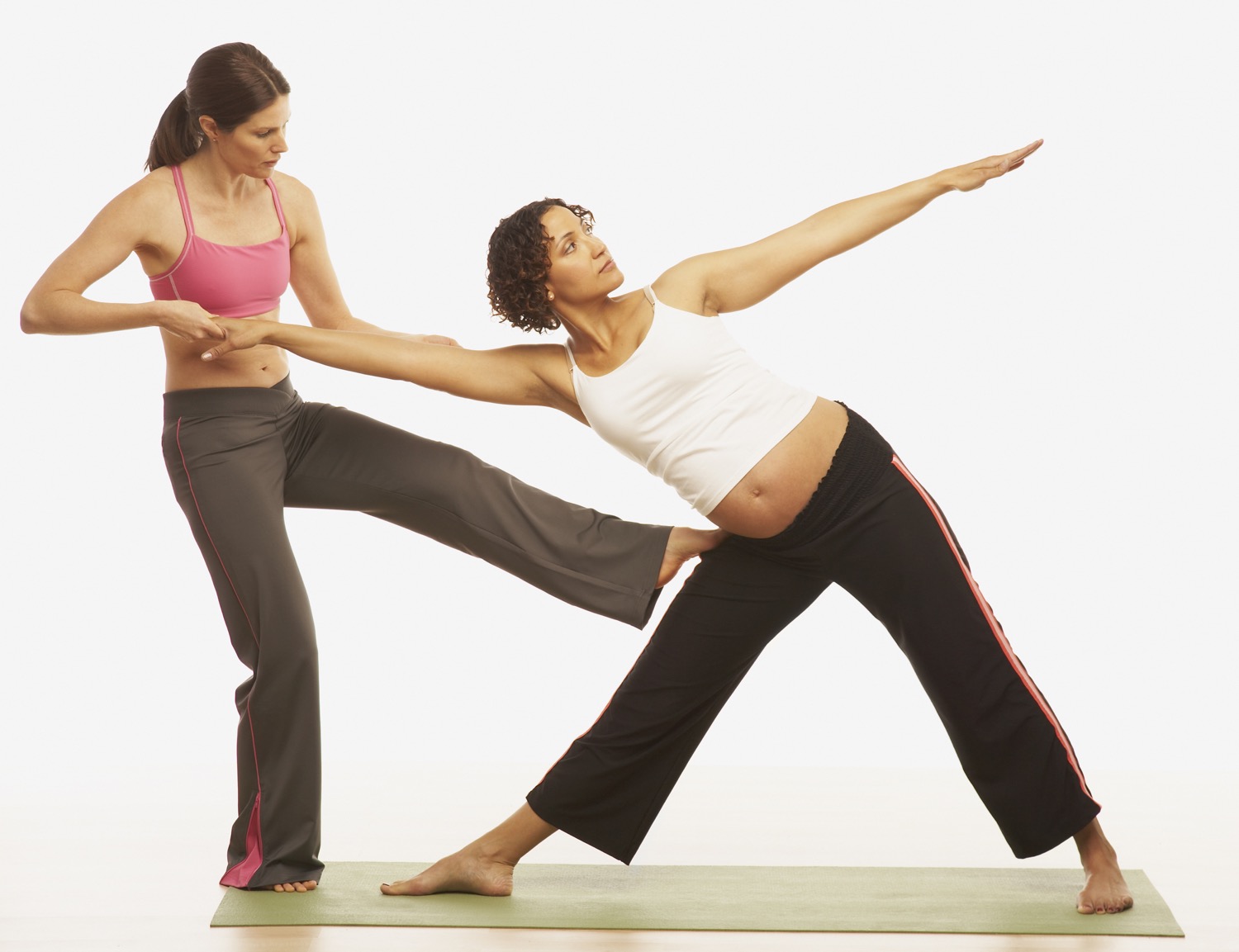
  • If you are pregnant without complications, you should be able to continue to exercise, but you will have to modify in later weeks. Consult with your physician about this. 

If you work out in a gym it is particularly important to stay away when you are sick, to prevent the spread of your illness. Likewise it is prudent to wash hands, use sanitizer and avoid touching your face so you don’t get what others have brought. Consult with your doctor about this season’s immunizations. 

Regular moderate exercise stimulates the immune system in a good way. But hard exercise to “ get you to the next level” can actually temporarily suppress immune function. During mild illness, a light workout or yoga session will not result in you losing fitness. When you are under the weather, switch your emphasis from training to self care. You’ll be glad you did. 

References: 

WebMD

Greatist

MayoClinic 

Medical Monday: Weekly news updates in Ob/Gyn

Did you know that not all breast cancer is the same? Breast cancer is of course cells from the breast which have become abnormal and behave in an unregulated destructive manner. We can study specific breast cancer cells to determine their particular nature, for example, whether or they have hormone receptors. When we study breast cancer cells for their particular traits what we are really trying to determine is what therapies would be the most effective against that particular breast cancer cell type.

Some tests we do on breast cancer cells are gene tests. A new gene test called Oncotype DX "accurately identifies a group of women whose cancers are so likely to respond to hormone blocking drugs that adding chemo would do little if any good while exposing them to side effects and other health risks”. This test allows certain patients identified by this gene test to skip chemotherapy, and have results which are basically just as good as the corresponding patients who did have to get chemotherapy.

You may have heard that there is increasing support for homebirth in the United Kingdom. The United Kingdom of course has socialized medicine and a completely different medical care and medicolegal  infrastructure than the United States. For example, British homebirth midwives are highly trained graduate-level professionals who have trained with Obstetricians in hospitals. They use modern equipment, can prescribed medications, and are constrained to doing homebirth in very close proximity to hospitals with emergency capabilities. More importantly, they are very careful at patient selection. Finally, medical malpractice liability is handled through the National Health Service. 

None of this can be said for homebirth professionals in the United States where only a high school degree or GED is required along with an online test, care of home birth clinic patients and an observation of a small number of homebirths by a similarly trained person. These “direct entry” or “lay” midwives in the US are not required to carry liability insurance. 

For many reasons including all of this, the American College of Obstetricians and Gynecologists (ACOG) maintains that the safest place to give birth is the hospital or a birthing center. It is interesting to note that because of medical privacy laws and reporting laws of the state, complications of homebirth are vastly under reported and understudied. Those of us who manage complications from unsuccessful home births are very concerned about these things.

Has anybody noticed that the brouhaha over Planned Parenthood has not prevented the government from continuing to function?

A meta-analysis study out of New Zealand  and published in the British medical Journal has once again raised the question of whether or not calcium supplements are useful for strengthening bones. Their study indicates that while supplemental calcium is indeed associated with increases of bone density up to 2%, they conclude this increase was not enough to meaningfully reduce a person's risk of fracture. It is worth noting that in this study they did not actually measure fracture occurrence in the groups over time.

A second study in the the same journal actually showed a slight reduction in people’s fracture risk with calcium supplementation but researchers concluded the change was not enough to make a statement about the effect. Of course the media reported both of these studies as saying that calcium did not strengthen bones. Oversimplify much ? 

In the conventional wisdom department, new research suggests that women who"begin hormone therapy toward the beginning of menopause may have a lower risk of developing heart disease”. Apparently women who start hormone replacement therapy within five years at menopause stayed free heart disease for a longer time than non-users.".

This is exactly what we thought would take place before we studied the matter in the large very important Women's Health Initiative study, which released in 2002. The Women's Health Initiative study or WHI, demonstrated that those on combined estrogen and progesterone hormone replacement therapy actually had slightly increasing cumulative risk of adverse cardiovascular events after menopause. This was not what researchers expected. Conventional wisdom had always been the hormones like estrogen protected against cardiovascular disease, accounting for the commonly observed phenomenon of that premenopausal women rarely had heart attacks, compared to men or postmenopausal women. Unfortunately the Women's Health Initiative was a bit of a lumper, (as opposed to a splitter) in that it evaluated postmenopausal women of all ages all at once. Moreover, the average age of the test subjects was 63. Thus these women for far more than five years after the average age of menopause which is 51. These women would be likely to have already developed pre-existing cardiovascular disease, in the years after the onset of menopause but before the onset of their research protocol hormone replacement therapy.

Many researchers have speculated that there is something disadvantageous about starting hormone replacement therapy once the patient is long into menopause. Conversely clinicians everywhere have noticed positive effects on health and well-being in those who are able to take hormone replacement from the beginning of menopause and into old age. It will be interesting to see if evidence based quantitative science catches up with or remotely matches the conventional wisdom on the streets.

The Federation Internationale of Gynecology and Obstetrics (FIGO) is stepping up its research on the relationship between toxic environmental chemicals like BPA and problems like miscarriage and cancer.

Finally, in the good news department,  the American College of Obstetrics and Gynecology (ACOG) “recommends pregnant women without obstetrical or medical complications exercise at least 30 minutes a day most if not all days a week, just like the rest of the population.” 

Stay tuned for more fascinating news from the world of obstetrics and gynecology next week on Medical Monday.